

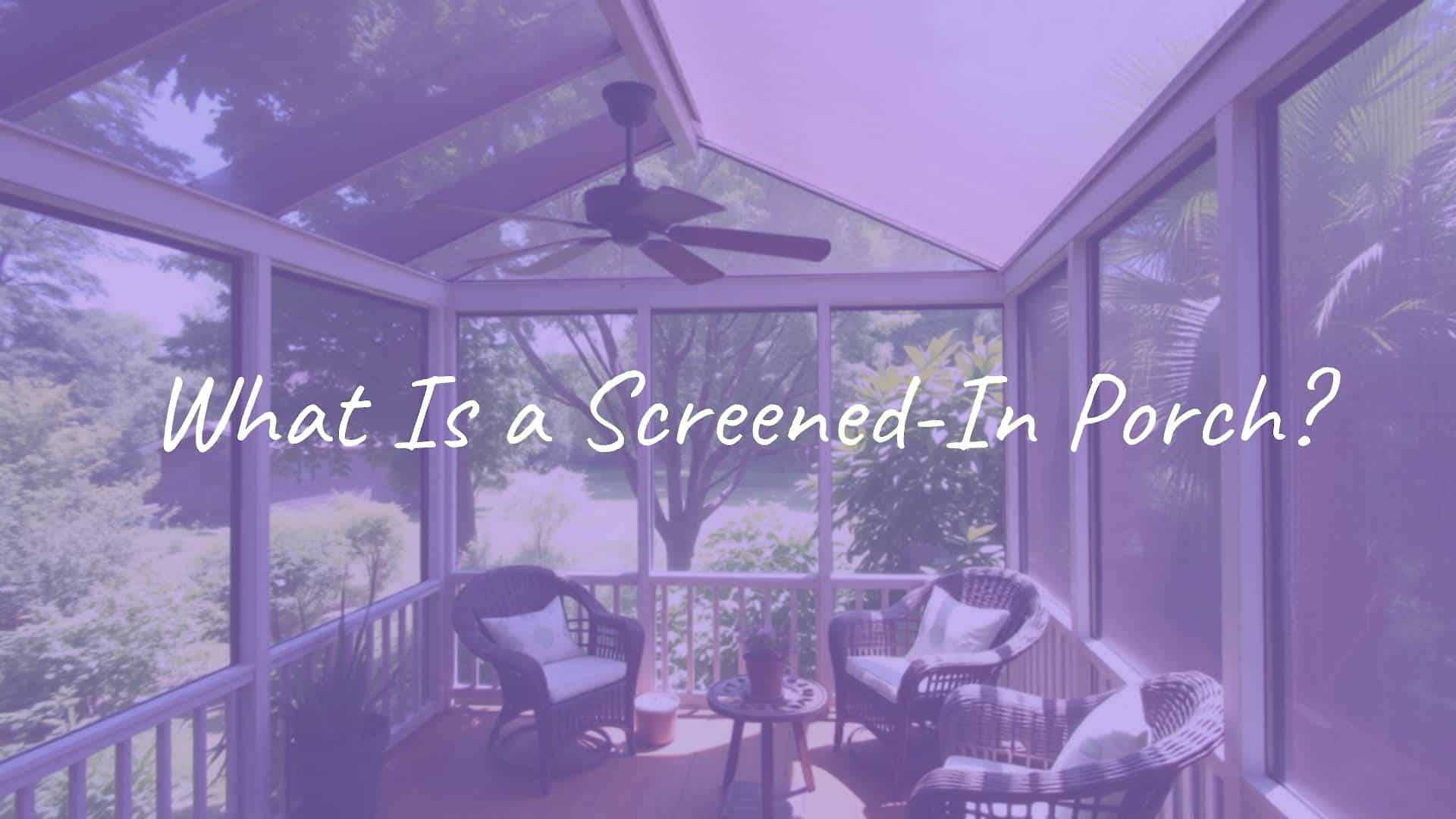
A screened-in porch is a simple structure that connects indoor comfort with outdoor fresh air. It is usually attached to your house, with a solid roof and standard flooring. Instead of glass windows, the walls are enclosed with mesh screens. This basic setup creates a useful “outdoor room” where you feel close to nature while still being protected.
The screen system does more than block the weather. It creates a steady flow of air, giving you a natural breeze even on hot days. At the same time, the mesh keeps out bugs and blowing leaves. You get a place to sit outside, breathe fresh air, and feel the wind without worrying about mosquitoes, flies, or debris.
How a Screened-In Porch Improves Outdoor Living
A screened-in porch can change how you enjoy your yard. It turns the idea of a simple outdoor hideaway into something you can use often, solving problems like harsh sun, surprise rain, and constant bugs that can make open decks hard to enjoy. This sheltered area becomes a flexible spot for daily life.
Imagine quiet mornings with coffee, peaceful afternoons with a book, or family dinners outside without mosquitoes or rushing indoors at the first raindrop. You get a dry, shaded space where you can enjoy warm breezes, watch rainstorms, and relax. By cutting down on direct sun and rain, a screened-in porch creates a calm, safe feeling that open patios and decks often can’t match.
Types of Screened-In Porches
Screened-in porches come in several basic styles, each with its own benefits and look. The most common option is enclosing an existing deck or patio with screens and adding a roof if necessary. This is usually faster and more budget-friendly, since part of the structure is already there.
Another option is building a brand-new porch from scratch to match your home’s design. These can be simple and plain or more detailed, with extras such as fireplaces, built-in lights, and special floors. A front screened porch might act like a formal sitting area, while a back porch might focus on privacy and quiet. The style you choose depends on your home, budget, and how you plan to use the space.
Benefits of Simple Screened-In Porches
Even a basic screened-in porch offers many real-life benefits, not just good looks. It adds comfort, expands your living area, and can also increase your home’s value and appeal to buyers. It’s a smart way to improve both your day-to-day life and your property.
A screened-in porch lets you enjoy the outdoors without the usual problems. You get to control how you use the space, making it both useful and welcoming. It can quickly become one of the most enjoyable parts of your home.
Protection from Insects and Weather
One of the biggest perks of a screened-in porch is the strong protection from bugs and changing weather. The fine mesh acts like a shield against mosquitoes, wasps, flies, and other pests, making the area much more comfortable. No more coating yourself in bug spray or constantly swatting insects while you try to relax.
The roof protects you and your furniture from strong sun and sudden rain. That means you can sit outside even during a light shower or midday heat. You get a dry, shaded place where you can feel the breeze and watch the rain without getting soaked or sunburned.
Extending Usable Living Space
A screened-in porch adds real, usable space to your home by turning a deck or patio into an extra “room” you can enjoy much of the year. It’s not just more square feet; it’s a flexible area you can use as a reading corner, play space, or gathering spot. It acts as a middle area between the inside of your house and the yard, with some of the safety of a room and the fresh air of the outdoors.
Buyers and appraisers often see this kind of space as a big plus. It creates another area for dining, relaxing, or entertaining. Whether you use it as an outdoor dining room, a second living room, or a quiet lounge, a screened-in porch blends indoor comfort with outdoor views.
Increasing Home Value
Beyond everyday comfort, a screened-in porch is often a smart money choice. A well-built, nice-looking porch can raise your home’s value and help it stand out, especially in areas where people enjoy spending time outside. It adds a useful extra space many buyers want.
In many cases, it costs less than adding a fully finished room, but can still bring back a good return when you sell. In busy housing markets, a good screened porch can give you an edge over similar homes. It shows buyers that the house offers more ways to relax and spend time with family and friends.
What to Think About Before Adding a Screened-In Porch
Adding a screened-in porch is exciting, but good planning makes the process smoother. Before you start picking furniture and decor, it helps to look at a few key details, like where it should go, what permits you need, and how much you want to spend. Planning ahead can prevent delays, extra costs, and stress later.
Each choice-from the porch location to the type of foundation-plays a big part in how the porch will look and work. A thoughtful plan helps you end up with a space that looks good, follows local rules, works well, and truly adds value to your home.
Choosing the Best Location
The spot you choose for your screened-in porch affects sunshine, privacy, and how easily you can get to it. Think about how you want to use it: Will it connect to your kitchen for outdoor meals? Do you want a quiet space off a bedroom? Or a central area for family hangouts? If you plan to eat outside often, building close to the kitchen makes carrying food easier. For a peaceful retreat, a shady side of the house or a view of a quiet corner of the yard may work best.
Also look at how people currently move through your house and yard. How will the porch connect to paths, patios, gardens, or doors? Pay attention to the usual wind direction and where the sun hits during the day, since these change comfort levels. Picking the right location helps your porch feel natural and easy to use.
Permits, Codes, and Structural Needs
Before building, check what rules apply in your area. In many places, any permanent change to your home, like adding a roof and screened walls, needs a building permit. The permit process helps make sure your porch is safe and meets local building and zoning rules. If you have a homeowners’ association (HOA), you may also need their approval.
A new screened-in porch usually needs a proper foundation or footers to meet code and avoid problems like shifting or cracking over time. If you’re enclosing an existing deck or patio, the current supports must be checked to see if they can safely hold the weight of a roof and framing. Many contractors, such as Prince William Home Improvement, take care of permits, HOA documents, and inspections as part of their service, which can make the process easier.
Typical Installation Costs
The cost of a screened-in porch depends a lot on whether you are enclosing what you already have or building new. Turning an existing porch or deck into a screened space is usually the cheapest and quickest option. The foundation, structure, and roof are there already, so you mainly pay for screens, framing, and labor. Professional screening often runs from about $1,500 to $4,000, but this can rise if the current structure needs repairs or if you choose specialty materials like copper screen or motorized panels.
Building a new porch with its own foundation, framing, roof, floor, and screens costs more. Total prices can range from around $5,000 to $40,000 or more, depending on size and finishes. Per-square-foot costs often fall between $25 and $120. Simple designs with basic finishes land on the lower end. Custom plans with composite decking, built-in lighting, and detailed rooflines cost more. Your choice of materials-such as pressure-treated lumber, composite decking, or aluminum-also affects the final number. Local labor rates and code requirements can push costs higher or lower than the national averages.
Simple Screened-In Porch Ideas for Every Home
You don’t need a huge budget or fancy design to create a great screened-in porch. Some of the nicest spaces are simple, comfortable, and practical. The aim is to build a cozy spot that feels like part of your home, where you can relax and enjoy the outside without a lot of effort.
Whether you live in a large house or a small cottage, there are many easy ways to design a screened-in porch that fits your style and needs. Good choices in layout, furniture, colors, and privacy features can turn any size porch into a favorite hangout.
Small Porch Layouts for Cozy Spaces
Even a tiny porch can become a wonderful screened space. For smaller areas, give the porch one main purpose instead of trying to fit in everything. For example, turn it into a reading nook. Instead of a big sofa, use one deep, comfy armchair or a hanging chair in a corner.
To keep the floor open, choose a slim side table instead of a wide coffee table. Wall-mounted lights or sconces free up even more space. The goal is a small, tidy, and inviting corner that doesn’t feel crowded.
Minimalist Décor and Clean Lines
A simple, uncluttered style can make your screened-in porch feel calm and modern. Focus on a few key pieces and straight, clean lines. Instead of heavy railings, try thin metal cables or clear panels near the bottom, so your view of the yard stays open.
For the structure, a plain roofline with dark aluminum screen frames can give a sleek, modern look. This kind of design lets your yard and natural light stand out. It also tends to be easier to clean and keep organized.
Budget-Friendly Design Tips
You can create a nice screened-in porch without spending a lot. One easy money-saver is reusing or reworking furniture you already own. An old bench can become a coffee table with storage. A small chest can double as an end table and a place to keep napkins and candles. With a coat of outdoor paint and sealant, many indoor wood pieces can work on a porch.
DIY decor adds style for less. A simple garden trellis painted black and hung behind a swing can make the porch feel more like a room. String lights are cheap and add both light and cozy charm. Instead of buying all new cushions, treat your current ones with outdoor fabric spray to help them last longer.
Using Neutral Colors and Textiles
Neutral colors help your screened-in porch feel calm and open. Soft whites, creams, grays, and tan shades work well as a base and make it easy to change accents later. These colors also blend nicely with most home exteriors.
For fabrics, use weather-resistant materials in similar neutral tones for cushions and seating. Add texture with woven outdoor rugs, knit throws, and pillows. This mix of textures adds warmth and comfort while keeping the look simple. You can always switch accent colors by changing pillows or plant pots.
Privacy Solutions with Screens or Curtains
If your porch faces neighbors or a busy street, you might want extra privacy. In addition to standard mesh, you can use design elements that block views while still allowing air and light. For example, add horizontal wood slats or solid panels below the main screen line to hide the lower half from view.
Outdoor curtains are another easy way to gain privacy and soften the look of the porch. Hang them on a thin metal cable and close them when the sun is harsh or when you want more privacy. Roll-up shades are also an affordable way to block glare and create a more private feel when needed.
Durable Materials for Easy Maintenance
Choosing long-lasting, low-care materials keeps your porch looking good with less work. For floors, composite decking is a strong choice. It’s made from wood fibers and plastic, so it doesn’t splinter and doesn’t need regular staining. If you already have concrete or wood, porch paint can refresh it and protect it.
For furniture, synthetic wicker made from plastic strips over an aluminum frame is tough and simple to clean. It resists water and sun and can often stay outside all year. For cushions, look for performance fabrics such as Crypton or Sunbrella, which resist moisture, stains, and fading. These choices mean more time sitting and less time scrubbing and repairing.
Screened-In Porch Decorating Ideas
Once your porch structure is done, decorating is where you bring it to life. This is your chance to add comfort, style, and your personal taste. Because a screened porch sits between indoors and outdoors, you can mix cozy indoor touches with sturdy outdoor pieces.
Choose items that look nice but can handle moisture, changing temperatures, pollen, and dust. With the right furniture, fabrics, and accessories, your porch can feel like a true second living room that still fits its outdoor setting.
Bringing Indoor Comforts Outside
A screened-in porch works best when it feels as inviting as an indoor room. Think about what makes your living room comfortable and adapt those ideas for outside. A modular outdoor sectional with thick cushions can create a lounge area. A porch swing that’s the size of a daybed, filled with pillows, can be both fun and relaxing.
A simple wooden coffee table can anchor the seating area, just like indoors. The more your porch feels like a real living space, the more often you’ll use it. Blending indoor-style comfort with outdoor materials creates a smooth flow from house to porch.
Choosing Weather-Resistant Furniture
Porch furniture has to handle humidity, temperature changes, and occasional splashes of rain. Pieces made for outdoor use, like synthetic wicker over aluminum frames, are a good fit. They are strong, handle sun and water well, and usually just need a rinse to clean.
If you want to bring in some indoor furniture, choose solid wood or metal pieces and seal them thoroughly with outdoor-grade finishes. Regular indoor upholstered furniture is usually a poor choice, but sturdy benches, tables, and some chairs can work if they are well-protected and the porch is covered.
Accessory Ideas: Pillows, Blankets, and Rugs
Accessories make a screened-in porch feel finished and homey. Start with an outdoor rug to define the seating area and add warmth underfoot. Polypropylene rugs are durable and handle moisture well.
Layer in pillows and blankets to make seats more welcoming. Use outdoor fabrics with water-resistant inserts so they dry quickly and don’t get musty. A Turkish towel can stand in as a light throw that dries faster than a thick blanket. These soft touches turn basic outdoor seating into a space where you’ll want to linger.
Incorporating Plants and Greenery
Plants are one of the easiest ways to make a screened-in porch feel lively and connected to the yard. Even a few pots of greenery can brighten the space. Shade-loving plants like Boston ferns, caladiums, petunias, and sweet potato vine do well on many porches. Orchids, especially phalaenopsis, can also thrive in filtered light with good air circulation.
If floor space is tight, consider a vertical garden. You can install narrow shelves or wall planters and fill them with small pots of ferns, herbs, or succulents. A potted tree in a corner can add height and structure. Just remember that moving air can dry soil quickly, so check water levels often and bring plants inside if temperatures drop too low.
Lighting and Ambiance for Your Simple Porch
Good lighting can completely change how your porch feels, especially at night. It’s not just about seeing where you’re going. The right lights add warmth and make the space feel cozy and welcoming after dark.
Using different kinds of light at different heights-overhead, at eye level, and low-creates a layered effect that feels comfortable. Mix practical ceiling lights with softer, decorative ones so your porch works well both for reading and for relaxed evenings.
String Lights and Lanterns
String lights are an easy way to add charm and gentle light to a screened-in porch. You can run them along the ceiling, around the edges, or across the top in a zigzag pattern. They give a soft glow that makes the space feel warm and special.
Lanterns with battery candles are another simple way to add mood lighting. Set them on side tables, hang them from hooks, or group them in corners. Models with remotes or timers save you from turning each one on by hand. Together, string lights and lanterns create a relaxed, welcoming atmosphere.
Ceiling Fans and Overhead Fixtures
A ceiling fan is a key feature on most screened-in porches, especially in warm areas. Because the porch isn’t heated or cooled like the rest of the house, a fan helps move air and keep you comfortable on hot days. Check the fan’s airflow ratings (CFM) and choose a model rated for damp locations. Make sure there’s enough headroom for safety.
Many ceiling fans include lights, which give you two functions in one unit. If your porch already has electrical wiring, you can also add an outdoor-rated ceiling light or a damp-rated chandelier above a dining table. Recessed lights are another option for clean, low-profile overhead lighting.
Creating Warmth with Layered Lighting
To get a cozy feel, don’t rely on just one light. Start with an overhead fixture, such as a ceiling fan with a light or recessed lights, for general brightness.
Then add task and accent lighting. Use string lights for a gentle glow. Place outdoor table lamps or lanterns on side tables. You can also add low-voltage LED strips under railings or small lights on posts to outline the space. Mixing these light sources creates depth and makes the porch feel inviting when the sun goes down.
Easy DIY Screened-In Porch Upgrades
One nice thing about a simple screened-in porch is how easy it is to improve over time. You don’t need advanced skills or a big budget to make upgrades that matter. Small projects can make the porch more comfortable, more useful, and better looking.
From fixing worn screens to adding fun seating, these projects can refresh an old porch or finish off a new one. Simple changes can make your space feel new and more personal.
Installing or Replacing Screens
The screens are what make the porch “screened,” so keeping them in good shape is important. If your screens are ripped, loose, or faded, replacing them is a manageable DIY job. You can buy screen rolls or kits at most home centers.
Choose a mesh that suits your needs. An 18 x 14 mesh is common and keeps out most insects. If you deal with tiny bugs like no-see-ums, a tighter 20 x 20 mesh might be better. Fiberglass screens are common and affordable, while vinyl-coated polyester (often called pet screen) is tougher and better for homes with kids or animals. Proper installation gives you better bug control and a clearer view.
Painting Floors and Ceilings
New paint can completely refresh a screened-in porch. If you have wood or concrete flooring, porch and floor paint is an easy way to change the look without replacing the material. You can even add stenciled patterns for extra style. Clean and prep the surface first so the paint sticks and lasts.
Painting the ceiling can also make a big difference. Many people choose a soft blue shade, often called “haint blue,” due to old traditions and beliefs. Whether you pick blue or white, a light color on the ceiling makes the space feel brighter and more open. This simple step helps tie the whoIe area together.
Adding Swinging Benches or Hammocks
A swing or hammock can turn your porch into a true relaxation spot. If your ceiling framing is strong enough, you can hang a swinging bench or even a swing bed. Make sure to mount it to a solid joist or beam that can handle the weight of people using it.
If you can’t hang anything from the ceiling, try a free-standing porch swing or a hammock with a stand. Add outdoor pillows and cushions, and you’ll have a favorite place to nap, read, or just enjoy the breeze.
Final Tips for Creating Your Simple Screened-In Porch
Finishing your screened-in porch is satisfying, especially when it becomes a favorite gathering place. A few final touches and habits can help keep it comfortable, useful, and looking good over time.
From how you arrange furniture to how you care for materials, small choices can make a big difference in how often you use and enjoy the space.
Maximizing Comfort and Function
Think about how you’ll use the porch at different times of day. If the space is large enough, set up zones: a sitting area with a sofa or chairs, a dining corner with a table, and maybe a quiet spot with a reading chair. Leave at least 30-36 inches between pieces of furniture so people can move around easily.
Little extras can boost comfort. A bar cart makes serving drinks and snacks simple. Garden stools work as side tables or extra seats. An outdoor-rated electric fireplace can extend porch use into cooler months. If you add a weather-protected TV, you can enjoy movie nights outside. These touches turn the porch into a true living space.
Maintaining Your Porch Throughout the Year
A bit of regular care will keep your screened-in porch in good shape for many years. Dirt, pollen, and dust still get inside, even with screens. Sweep or vacuum the floor often. For painted or composite floors, a quick rinse or wipe-down usually works.
During storms or strong winds, bring in fragile items and secure light furniture. If you don’t use the porch in winter or during rainy seasons, store cushions and decor indoors or cover furniture with protective covers. Check screens regularly for holes or damage and fix them quickly so bugs stay out. Consistent light maintenance helps your porch stay clean, comfortable, and ready to enjoy.
Screened-In Porch FAQs
How much does a simple screened-in porch cost?
Costs vary based on size, materials, and whether you’re enclosing an existing space or starting from scratch. If you’re screening in a small existing porch, professional work usually costs between $1,500 and $4,000 for labor and basic fiberglass screens. Repairs to the current structure or upgrades to higher-end materials will add to the total.
Building a new small screened porch (around 10×10 or 12×12 feet) usually starts around $5,000 and can reach $40,000 or more. The price per square foot often ranges from $25 to $120. This includes the foundation, framing, roof, floor, and screens. More expensive materials, like composite decking or custom details, will raise the cost.
Do I need a permit to build or screen in a porch?
In many areas, yes. Most permanent additions or structural changes, such as adding a roof or screened walls, require a building permit. Permits help confirm that your project meets building codes and zoning rules. If you live in a neighborhood with an HOA, check their rules too, since they may control what you can build on the outside of your home.
A new screened-in porch usually needs a proper foundation or footers to meet code and prevent future structural issues. Even when you only screen an existing porch or deck, building officials may inspect the supports to confirm they can hold the extra weight. Talk to your local building department and a contractor early on so you know what approvals you need.
Does a screened-in porch add value to a home?
A well-built screened-in porch often increases a home’s value. Many buyers see it as extra living space and a nice bonus, especially in warm regions or places where people enjoy outdoor time. Even though it’s not a fully heated and cooled interior room, it extends how much of the year you can comfortably spend outside.
The cost is usually less than a full room addition, but it can still offer a good payoff in lifestyle and resale appeal. Appraisers often view these porches as assets. Keep in mind that any improvement that adds value or square footage may raise your property tax assessment slightly, depending on local rules and how large the project is.
Can you build a screened-in porch on an existing deck?
In many cases, yes. Converting an existing deck into a screened-in porch is often the most budget-friendly route. But it’s important to confirm that the deck is strong enough. The current footings and framing must be able to support the weight of a roof, walls, and any added features like a fan or heavy furniture.
If the deck doesn’t meet current building codes or isn’t sturdy enough, it may need extra supports, repairs, or partial rebuilding before adding the roof and screens. You will also likely need a building permit, since adding a roof and walls is a major change. Once the structure is safe and approved, the contractor can add roof framing, wall framing, and the screens to turn your open deck into a comfortable, bug-free porch.











![What to with Scrap Metal? [infographic]?](https://facts-homes.com/wp-content/uploads/2019/07/645413-POPYOV-391-120x86.jpg)