

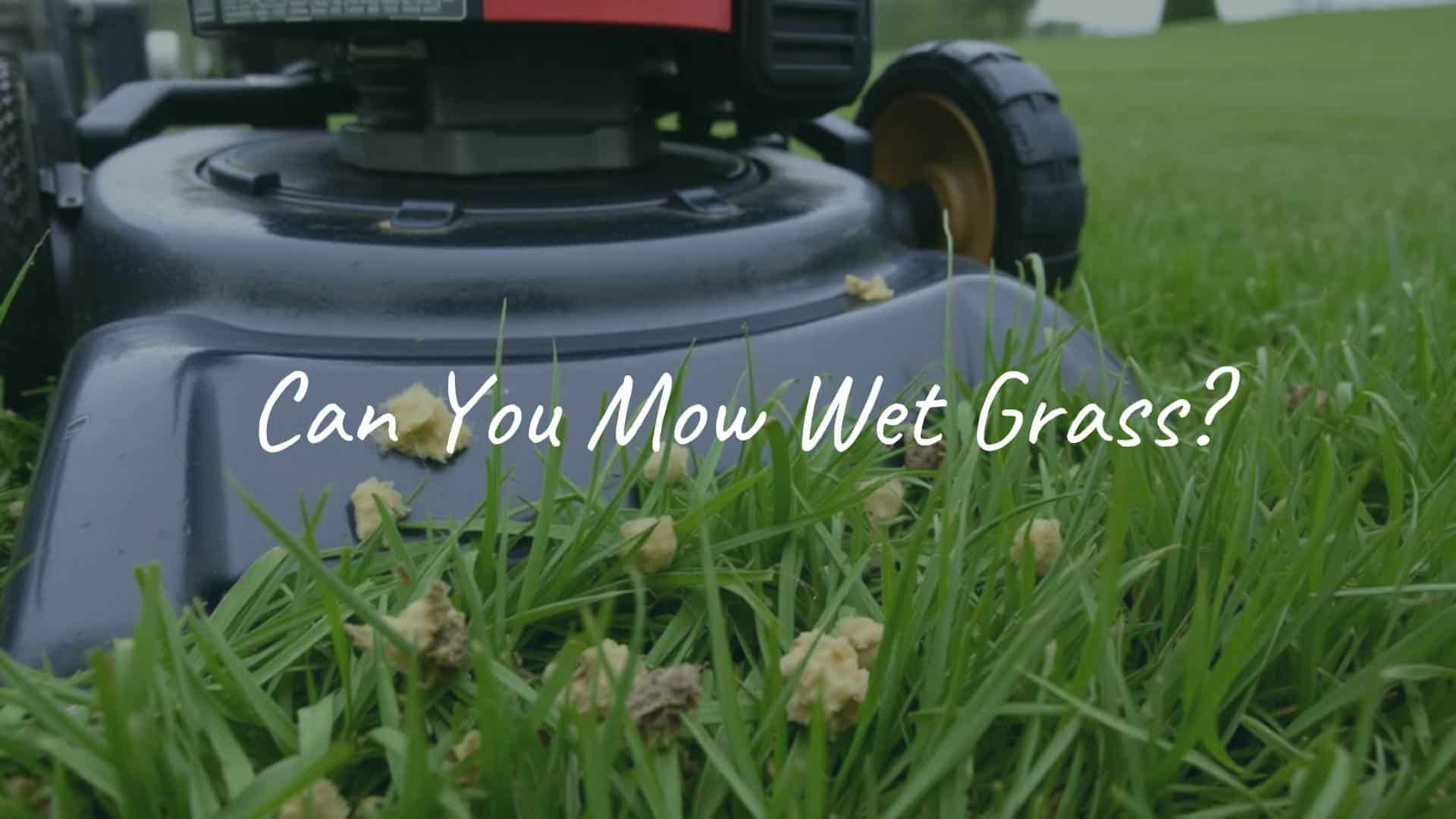
Yes, you can technically mow wet grass, but it is almost never a good idea and most lawn care professionals advise against it. Your mower may be able to cut the damp blades, but mowing when the grass is wet usually leaves a rough, uneven finish, puts extra wear on your mower, and can invite fungal diseases that may affect your yard for months. Unless you are in a true emergency-like an overgrown lawn bringing in pests or facing strict HOA rules-it is usually better to wait for the lawn to dry.

Mowing wet grass is like trying to cut the hair of someone who just got out of a pool. The hair sticks together, clings to the scissors, and looks choppy once dry. For homeowners, mowing a wet lawn can lead to ugly wheel ruts, thick clumps of stuck grass under the mower deck, and even a smoking engine. If you really must mow when the lawn is damp, you need to take extra care to reduce the harm to both your grass and your equipment.
Can You Mow Wet Grass?
What Happens If You Mow Wet Grass?
When grass is soaked, the blades become heavy and lose their usual spring. Instead of standing up straight for the mower blade to cut cleanly, they bend or lay flat. As the mower passes, many blades are missed or pressed down further by the wheels. Once the lawn dries and the grass stands back up, you are left with a patchy, choppy look that seems like it was cut with a dull tool.
Wet grass also tends to tear instead of cutting cleanly. Because the blades are slick and stuck together, the spinning mower blade often shreds the tips instead of slicing them smoothly. These torn tips are like open cuts on the plant. They quickly turn brown, giving the whole yard a dull, burned look, and they provide easy entry points for pests and disease.
Is It Ever Okay to Cut Wet Grass?
Sometimes you simply cannot wait. During peak spring growth, grass can grow so fast that a week of rain can turn your lawn into something that looks like a hay field. In these cases, experts such as those at Purdue University say it is better to mow slightly damp grass than to let it get extremely tall. Very long grass traps more moisture at the soil surface, which can lead to rot and give mosquitoes and rodents a place to hide.
If you are stuck in this “lesser of two evils” situation, how wet the lawn is matters a lot. Cutting through a light morning dew or a lawn that is mostly dry can be okay with the right mower settings. But if the ground feels spongy, if you see water drops on most blades, or if your shoes get soaked just walking across the grass, do not mow. The chance of long-term soil damage and mower problems is too high for the small benefit of a slightly shorter lawn.
Risks and Challenges of Mowing Wet Grass
Increased Safety Hazards
Safety should always come first, and wet grass is slippery and risky. Smooth, wet blades of grass can turn a gentle hill into something like a slide, which is especially dangerous when you are handling a heavy machine with spinning blades. The U.S. Consumer Product Safety Commission reports that over 250,000 people are treated for mower injuries each year; slippery ground only adds to the danger.
The danger is even higher with electric mowers. Water and electricity are a bad mix. With corded electric mowers, moisture can get into cord connections or the motor, increasing the chance of electric shock. Even with cordless models, moisture can damage the electronics and cause shorts or permanent failure.
Uneven Cutting and Lawn Damage
Wet grass clumps together and stands at different heights, so it is very hard to get an even cut. The weight of the water makes the grass bend under the mower’s suction, then pop back up later in uneven, missed patches. This rough mowing job looks bad and also weakens the lawn over time.
The tearing action of the mower blade on wet grass leaves frayed tips. These frayed ends dry out faster and are more likely to suffer from sunburn-like damage, leading to yellow or sick-looking grass even if you water well. A clean cut helps the grass close these cuts quickly and keeps it healthier.
Soil Compaction and Rutting
Some of the worst damage from mowing wet grass happens under the surface. When soil is soaked, it becomes soft and easy to press down. The weight of the mower and the person pushing it squeezes the soil particles together; this is called compaction. Compacted soil becomes hard and dense, blocking air, water, and nutrients from reaching the roots.
In bad cases, the mower wheels can sink into the soft ground, leaving deep ruts and low spots. These ruts are ugly and make future mowing rough and bumpy. They can also cause drainage problems, with water collecting in the grooves. Fixing these areas often means hard work-like using a garden fork to aerate or adding topsoil to level things out.

Higher Risk of Lawn Disease
Moisture helps fungi grow, and mowing wet grass spreads disease quickly. Fungal spores love damp, humid conditions, and the mower acts like a spreader, picking up spores in one area and throwing them across the yard. Common diseases include Red thread, which leaves reddish or pink patches of dead grass, and Dollar spot, which creates small, straw-colored spots about the size of a coin.
Other problems like Rust disease (orange-yellow dust on blades) and Brown patch can also show up. Because the grass is already stressed from being torn, it has a harder time fighting off these diseases. Once a fungus gets started in a wet lawn, it can spread quickly and may require costly fungicides to control.

Clumping and Poor Mulching
If you usually leave grass clippings on the lawn to act as natural fertilizer (“grasscycling”), this method does not work well when the grass is wet. Wet clippings are sticky and heavy. Instead of being cut into fine pieces and spread evenly, they come out of the mower in large, wet clumps. These clumps sit on top of the grass, blocking light and air.
If you do not rake them up, these piles can suffocate the grass under them and cause dead spots. Wet grass also sticks to the underside of the mower deck, which stops the mulching system from working right. Instead of a light, helpful mulch, you get a heavy mess that needs to be raked and cleaned.
Mower Damage and Increased Maintenance
Mowers are built to handle dry clippings, not wet sludge. Wet grass is acidic and can eat away at metal parts. When it cakes onto the underside of the deck and is left there, it can cause rust and corrosion. This buildup also makes the engine work harder to spin the blades, which can lead to overheating and shorten the life of your mower.
Water can also get into the fuel tank or air filter, causing sputtering or complete engine failure. Cleaning becomes a big job, since you must scrape out the packed grass under the deck after each use. If you skip this, the dried clippings can become very hard and reduce the mower’s cutting power next time.
When Can You Mow After Rain?
How Long Should You Wait to Mow the Lawn After It Rains?
A common rule is to wait at least 24 hours after a heavy rain before mowing. But this is only a guide. Weather conditions matter a lot. On a hot, breezy, sunny day, you might be able to mow a few hours after a light shower. During cool, cloudy fall weather, the soil may need two or three days to firm up enough for mowing.
Your climate and season also play a role. In spring, the ground may already be wet from melting snow, so even a small rain can turn the yard into mud. In summer heat, water evaporates much faster, and lawns can dry quickly. Always pay more attention to how the soil feels than how the grass looks on top.
How to Test If Your Lawn Is Too Wet to Mow
Before you start, use a few simple tests:
- Footprint test: Walk over different parts of the yard. If your footprints leave deep marks or water squishes up around your shoes, it is too wet to mow.
- Touch test: Grab some grass and feel it. If your hand comes away soaked or the blades feel sticky and limp, wait longer.
- Screwdriver test: Push a long screwdriver into the soil. If it slides in almost without effort and the soil feels very soft, the ground is still too wet and will likely rut under a mower.
Ideally, you should be able to walk through the grass in normal sneakers and come back with mostly dry shoes.
Does Mower Type Matter for Wet Grass?
Can You Mow Wet Grass with a Gas Mower?
Gas mowers usually have more power and torque than electric models, so they can push through thicker, wet grass without stalling as easily. But just because they can doesn’t mean you should. The wet clippings will still clog the chute and stick to the deck. If you must use a gas mower, use fresh fuel and consider a fuel stabilizer, since high humidity can let moisture get into the gas over time and cause corrosion.
Can You Mow Wet Grass with an Electric Mower?
Electric mowers, both corded and battery-powered, usually do worse in wet grass. They often have less power, so they are more likely to slow down and overheat when cutting heavy, wet clippings. Corded models also carry a real risk of electric shock if moisture reaches connections or damaged cords. With battery mowers, expect the battery to drain much faster as the motor works harder.
Can You Use a Reel Mower on Wet Grass?
Using a manual reel mower on wet grass is very hard work and usually gives poor results. Reel mowers need the grass blades to stand straight up so the spinning blades can cut against the bar. Wet grass tends to slide under the blades or clump, which can jam the mower. Since you are the power source, you’ll find the wheels slipping on the wet lawn and the cut looking very uneven.
Can Riding or Robotic Mowers Handle Wet Grass?
Riding mowers are often the worst choice on wet lawns because they are so heavy. They can easily compact the soil and leave deep wheel ruts. Unless you have a large, level area that is only slightly damp, it is better to keep the riding mower parked until the lawn dries. Zero-turn mowers, which pivot sharply, can also rip up wet turf when turning.
Robotic mowers (such as Husqvarna Automower models) often handle damp conditions better than traditional mowers. They are light, so they don’t pack down the soil. They also cut very small amounts of grass more often, shaving off only a few millimeters each time. This reduces clumping and tearing. Many higher-end robot mowers are built to run in rain and use sensors and timers to adjust how often they mow based on grass growth.
Tips for Mowing Wet Grass Safely
Sharpen and Clean Your Mower Blades
If you truly have to mow when it’s damp, your blades should be very sharp. Dull blades make tearing and shredding worse. Sharp blades give a cleaner cut, which lowers stress on the grass and helps it recover faster. Before mowing, clean the underside of the deck so there is no old buildup. You can use a silicone or non-stick spray on the deck to help stop wet clippings from sticking.
Raise the Mowing Height
Set your mower to one of the highest settings. Try to follow the “one-third rule,” cutting off only the top third of the grass blade. Cutting higher reduces the amount of grass going through the mower at once, which lowers the chance of clogs and engine strain. Taller grass also handles a wet cut better than very short grass.
Go Slowly and Avoid Slopes
Move at a slow walking pace when mowing damp grass. Going slowly gives the blades more time to cut and discharge heavy clippings. Most importantly, stay away from hills and steep areas. Even if you feel steady, a mower can slide on wet slopes and cause serious injury or damage.
Clear the Mower Deck Frequently
Do not wait until the mower struggles or smokes before checking underneath. Stop every few passes, turn the mower off fully, and disconnect the spark plug or remove the battery for safety. Then remove any grass buildup from the chute and underside of the deck. Cleaning often helps keep airflow moving and limits clumps on the lawn.
Wear Proper Footwear to Prevent Slipping
Avoid worn-out sneakers or sandals. When mowing a damp lawn, use boots or shoes with strong, non-slip tread. Good grip helps prevent slips, which protects you and also reduces the chance of tearing up grass by sliding or twisting your feet.

Alternatives and Preventive Strategies
Create a Regular Mowing Schedule
The best way to avoid mowing in wet weather is to keep a steady mowing routine. When you keep your grass at a reasonable height, you can skip a mowing day or two if it rains without your yard turning into a jungle. A set schedule keeps growth under control so you’re not forced to mow in bad conditions. A simple mowing calendar or reminder system can help you stay on track.
Improve Lawn Drainage
If your lawn feels soft and soggy for days after light rain, you probably have a drainage issue. Improving soil structure with core aeration can help a lot. Aeration removes small plugs of soil and breaks up compaction, letting water move down into the ground instead of staying on top. You can also add a thin layer of sand or organic material to help the soil drain better. These steps help your yard dry faster and be ready for mowing sooner after storms.
Frequently Asked Questions About Mowing Wet Grass
Does Mowing Wet Grass Ruin the Lawn?
One wet mowing usually won’t destroy a lawn forever, but it does cause damage right away and can lead to bigger problems over time. Compacted soil, wheel ruts, and a higher chance of fungal disease all put extra stress on your grass. If you mow wet grass again and again, the lawn often becomes thin, patchy, and more likely to fill in with weeds that like compacted soil.
Why Does My Mower Struggle with Wet Clippings?
Mowers depend on airflow under the deck to lift the grass and throw the clippings out. Wet grass is heavy and sticky. It forms a thick mixture that blocks airflow and sticks to surfaces. This collapse of airflow makes the mower lose its “vacuum” effect, causing it to slow down and strain against a wall of wet clippings. The extra load puts heat and pressure on the engine, belts, and motor.
Will Mowing Wet Grass Cause Fungal Diseases?
Yes, mowing wet grass is one of the main ways fungi spread in lawns. Moist conditions help fungus grow, and the mower blades and wheels move spores around the yard. If you see reddish patches (Red thread) or small straw-colored spots (Dollar spot) after mowing wet, you may have started an outbreak. To lower this risk, wait for the lawn to dry before mowing. If you think disease is present, wash the underside of your mower deck after use so you do not spread spores to other areas.
Beyond the direct damage to your lawn and mower, timing also matters. In early spring, the soil is often weak from freeze-thaw cycles. Cutting a wet spring lawn too soon can harm the soil structure for the rest of the year. In late fall, grass growth slows and moisture from dew and light rain can stay on the blades all day. Learning how your local weather patterns affect your yard-and knowing when to simply leave the mower in the shed and let the rain fall-can make you a much wiser and more successful home gardener.











![What to with Scrap Metal? [infographic]?](https://facts-homes.com/wp-content/uploads/2019/07/645413-POPYOV-391-120x86.jpg)