

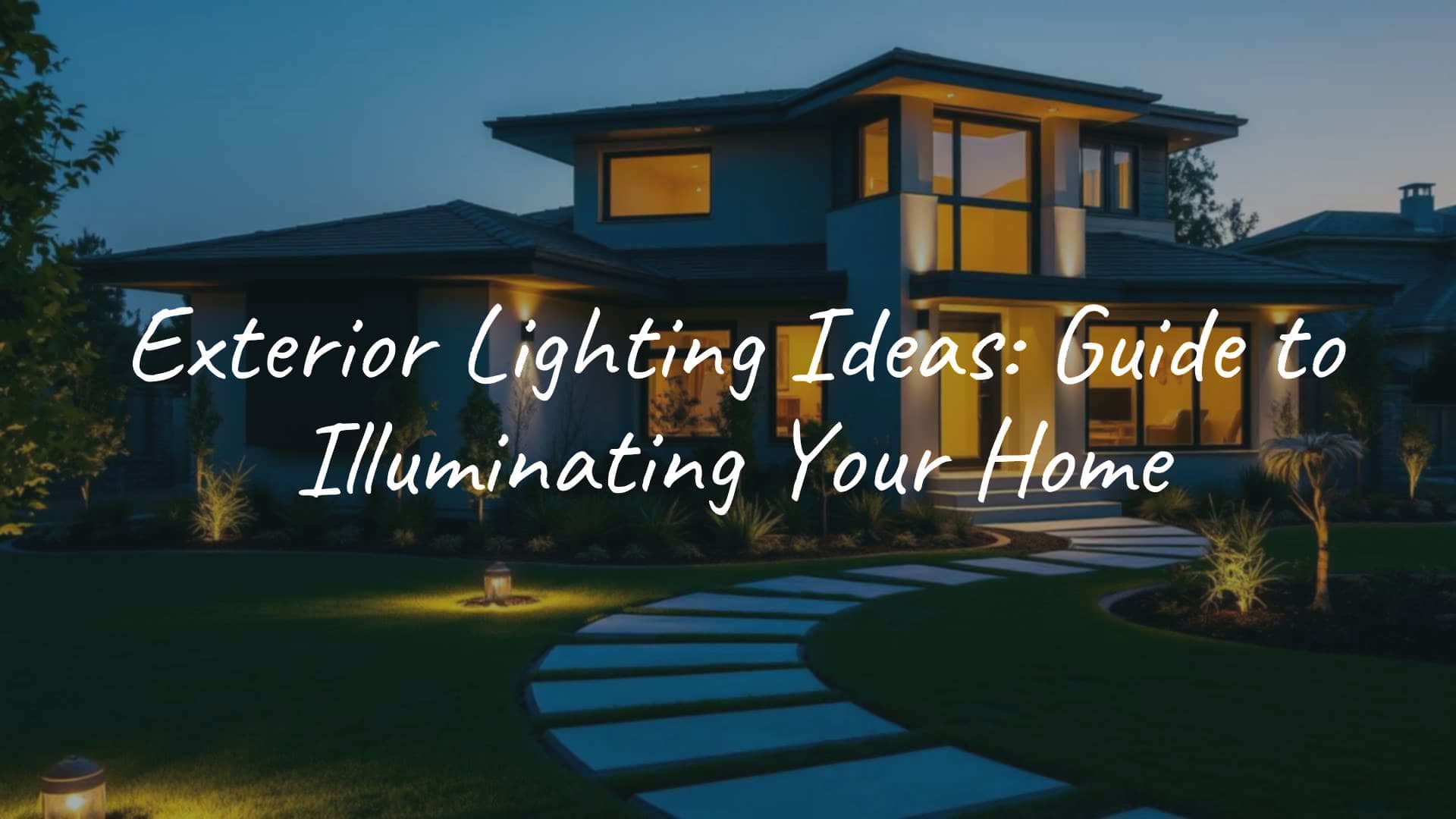
Exterior lighting ideas are the different ways you can use lights outside to turn dark outdoor areas into bright, welcoming, and safe parts of your home. These ideas solve the basic need to see clearly after dark while also improving curb appeal, showing off special features of your house, and adding security. By using different types of light-from the soft sparkle of fairy lights in a garden to the strong, focused beam of a motion-sensor floodlight-you can create an outdoor space that works well and looks great.
Modern exterior lighting is flexible. You might want to light a winding stone path, give a warm glow to a backyard dining space, or highlight the unique roofline of a craftsman-style house. The right plan can do all of this. It’s more than just putting a single bulb near the back door; it’s like “painting” your yard with light so that the textures, plants, and structures you love stand out after dark.

What Are Exterior Lighting Ideas?
In home design, exterior lighting ideas connect the look of your house with the beauty of your yard. They include many types of fixtures and methods that bring your property to life at night. This can mean industrial wall sconces that give a garage a carriage-house look or floating LED balls that turn a swimming pool into a glowing centerpiece. Your options are limited only by your imagination and what your space needs.
These ideas are also very practical. Good lighting helps guests see stairs clearly, makes your house numbers easy to read for emergency crews and delivery drivers, and discourages intruders with bright, well-placed security lights. It is a full approach to outdoor living that thinks about how your home looks and works both day and night.
Key Factors Before Installing Outdoor Lighting
Before buying any fixtures, think about the conditions they will face. Outdoor fixtures should be either “damp rated” or “wet rated.” Damp-rated fixtures work well in covered areas like porches or gazebos where they may get moisture but not direct rain. Fixtures that will be in open areas-such as path lights or spotlights-must be wet-rated so they stay safe and last longer. Metals like copper and brass are great choices because they are durable and resist rust, especially compared to plastic-coated fixtures that can warp or crack in extreme temperatures.

Size is another key point that many people miss. A front door light that is too small for the house will look cheap and out of place. Designers often suggest choosing fixtures that feel substantial; sometimes a larger lantern can actually make a home feel more inviting and balanced. Also think about color temperature. Warm yellow light (under 3,000 Kelvins) feels cozy and welcoming, while cooler blue-white light looks brighter and more modern but can feel cold if you use too much of it.
Types of Exterior Lighting
To get a polished, professional look, think in layers. Designers usually break outdoor lighting into four main types: ambient, accent, task, and decorative. Mixing these types helps you avoid the “stadium” look, where one spot is extremely bright and the rest of the yard is very dark.
Ambient Outdoor Lighting
Ambient lighting is your main source of light, often called general lighting. Its job is to provide a soft, even glow that makes a whole area feel usable and comfortable. This might come from a large porch lantern or several post lights along a driveway. Ambient lighting doesn’t focus on one object; it sets the overall tone and gives enough light to move around without harsh glare.
Accent Lighting for Features and Focal Points
Accent lighting adds drama and draws attention to special features like a big tree, a fountain, or a stone wall. Spotlights and uplights are the main tools here. For example, place a spotlight at the base of a tree and point it up to show off the branches, or light a wall behind a statue so the statue appears in silhouette. These ideas can give your yard the polished, upscale look you see in high-end neighborhoods.

Task Lighting for Function and Safety
Task lighting is about seeing clearly for specific jobs. It is brighter and more focused than ambient light. Examples include a row of sconces above an outdoor grill, or lights built into stair risers to prevent trips and falls. Task lighting helps you find your keys at the front door, cook outside after dark, or walk along a garden path without stepping on plants.
Decorative Lighting Options
Decorative lighting is like jewelry for the outside of your home. These fixtures are meant to look good on their own, even when they’re turned off. Think of chandeliers hanging from a pergola, fire tables that give off both warmth and light, or Moroccan-style lanterns that cast patterned shadows across the patio. These choices reflect your taste, whether that’s rustic Edison bulbs or playful glowing orbs scattered across a rooftop deck.

Common Types of Exterior Light Fixtures
Choosing the right type of fixture is half the job. Each one has its own use and adds something different to your home’s style.
Wall Sconces and Lanterns
Wall-mounted lanterns and sconces are some of the most flexible outdoor fixtures. They can frame your front door to greet guests or sit on each side of a garage door to give a classic carriage look. Styles range from old-fashioned lanterns that look like candles to simple, modern tubes. In tight spaces, flush-mount wall lights work well because they give off plenty of light without sticking out too far.
String Lights and Rope Lights
Outdoor string lights are very popular for backyards because they instantly add a cozy, party-like feel. You can wrap them around trees, hang them from a pergola, or stretch them along a fence. LED rope lights are a similar option. They are cheap, simple to hang with hooks, and can line railings, steps, or planters for a soft, continuous glow that’s also waterproof.

Post and Bollard Lights
Post lights are often used at the start of a driveway or along a long path. Because they stand on their own, you can place them away from the house where there are no nearby outlets. Today’s post lights range from sleek, simple shapes for modern homes to detailed, classic designs that fit Mediterranean or colonial houses.
Hanging Pendant Lights and Chandeliers
On a covered porch, gazebo, or screened deck, hanging pendants or chandeliers can make the area feel like an outdoor room. They spread light from above and add height and interest. When hanging a chandelier, leave at least 7 feet of clearance below so people don’t bump their heads. For an easy-care option, use a candle-style chandelier with battery-powered LED candles.
Spotlights and Floodlights
Spotlights give strong, focused beams to highlight trees, sculptures, or specific parts of your house. Floodlights cover a larger area, such as a driveway or big section of yard. Many people pair floodlights with motion sensors so the lights snap on if someone walks by, adding both safety and security.
Step and Rail Lights
Lighting steps is key for safety. Step lights can be built into stair risers to light each tread so people can see where they’re going. Rail lights attach under deck or porch railings and shine downward. They outline the edge of your space with a warm glow without blocking your view.
Solar and LED Lighting Options
LED lights are popular for outdoor use because they use less power, last a long time, and stay cool. Many homeowners also use solar lights in sunny spots. Solar path lights and globes are some of the easiest DIY options. They charge during the day and then come on automatically at night with a soft, gentle light.
Popular Exterior Lighting Ideas by Location
Where you put your lights is just as important as the type of lights you choose. Different parts of your property have different jobs and need different lighting.
Front Door and Entryway Lighting
Your front door should feel inviting and safe. Matching wall sconces on either side of the door are a classic choice. If you have a big front porch, you might add a bold chandelier or hanging pendant to draw the eye. Small details, like a black sconce that clearly lights your house number, can give your home a strong, polished first impression.
Porch and Patio Lighting
Porches and patios often act as outdoor living rooms. To make them feel warm and relaxing, combine ambient and decorative lighting. String lights over a pergola or large lanterns at the corners of a deck can create a resort-like feel. For a more intimate mood, cluster small lanterns and candles on side tables next to seating areas.

Driveway and Pathway Lighting
Here, the main goal is guiding people safely. Path lights should outline walking routes so guests don’t step into flower beds. Along driveways, post lights or in-ground “well lights” can show where to drive and park at night. You can also use spotlights to highlight trees or shrubs on each side of a drive for a formal, elegant effect.
Garage and Side Yard Lighting
Garages often end up plain and dark, but they don’t have to. Industrial-style sconces next to the garage door or a long bar light above it can turn a basic area into a stylish one. Side yards are usually narrow and shadowy; motion-activated floodlights or simple wall lights along the side of the house can brighten these paths and make them safer.
Deck and Stair Lighting
Decks are common gathering spots after dark. Use rail lights around the edges and step lights in stair risers. For a creative touch, try an outdoor rug with built-in LED strips, or place LED tape lights under the edges of benches or built-in seating so the furniture seems to “float” at night.

Landscape and Garden Lighting
Outdoor lighting can highlight your plants and trees. Uplights can show off a wood fence or the trunk and canopy of a large tree. In flower beds, fairy lights or small solar globes tucked between plants add a magical sparkle. In yards with more than one level, placing lights under raised edges or platforms helps define each area and makes it easier to see changes in height.

Swimming Pool and Water Feature Lighting
Water looks beautiful with the right lighting. Built-in pool lights make swimming at night safer and more fun. For a cheaper option, float LED balls or disks on the water; they look like toys by day and glow softly after dark. Also think about lighting fountains and bubblers. Underwater lights in these features show the motion of the water and create pretty reflections.
How to Plan Exterior Lighting for Style and Security
A good outdoor lighting plan looks nice and also keeps people safe. Walk around your yard during the day to see where lights could go, and at night with a flashlight to see where the darkest shadows are.
Boosting Curb Appeal With Light Placement
To make your home look its best from the street, light the features that make it special. Use wall sconces to highlight columns, archways, or balconies. Direct spotlights at gables, stone walls, or textured siding to give your house more depth and character. Try to think about lighting early, as part of the main exterior design, not something to add at the last minute.
Balancing Safety, Wayfinding, and Mood
You want your yard to feel like a relaxing escape, but also safe to walk through. Light all paths, stairs, and doors well enough that people can see where they’re going. You can do this with stylish fixtures like bollard lights, recessed step lights, or low-level path lights that give off enough brightness without ruining the relaxed atmosphere.
Using Contrast, Layers, and Light Direction
Too much light outside can feel flat and harsh. Good design uses a mix of bright and darker spots to add depth. By layering ambient, accent, and task lighting, you control where people look. Use uplighting to add drama and downlighting from trees or high spots to mimic soft moonlight on the ground.
Meeting Security Lighting Needs
Security lighting is one of the smartest upgrades you can add. Motion-sensing floodlights work well near driveways, back doors, and side yards. Many newer security lights connect to smart home systems, so you can set schedules or control them from your phone. Paired with strong locks and alarm systems, bright, well-placed lights make your property less appealing to intruders.
Energy-Efficient and Low-Maintenance Options
By 2026, energy-saving lighting has become the standard. Most homeowners want outdoor lighting that doesn’t raise their power bill too much or require constant bulb changes.
Solar-Powered and Motion-Activated Lights
Solar lights are one of the easiest options for sunny areas. They need no wiring and turn on and off by themselves. Motion-activated fixtures are also smart choices; because they only light up when someone walks by, they reduce energy use while still giving light exactly when you need it.
LED vs. Traditional Outdoor Lighting
The choice between LED and old-style incandescent bulbs is mostly settled now. LEDs use far less energy, last much longer, and hold up better outdoors where temperatures and vibrations change. While many people once liked the warmth of incandescent bulbs, modern LEDs are available in many shades of white. You can choose warmer tones in the 2,700K-3,000K range to keep your home feeling cozy.
DIY Ideas and Creative Lighting Projects
You don’t always need a pro to improve your outdoor lighting. Many projects are budget-friendly and still make a big difference.
Simple Outdoor Lighting Projects to Try
One easy DIY project is the “string light planter.” Secure tall posts into large planters with concrete, then use them as supports for string lights when you don’t have trees or a pergola. Another idea is to put battery fairy lights inside mason jars or birdcages to make portable lanterns you can move around your patio or hang from hooks.
Mixing Materials and Styles
Feel free to combine different looks. A classic craftsman house can look surprising and stylish with industrial warehouse lights. Mix natural touches like wicker or basket lanterns with sleek metal fixtures for a layered, lived-in look instead of a matchy “showroom” feel. Old-style lanterns next to modern stone or large timbers can create a striking, worldly style.
Tips for Safe DIY Installation
For beginners, low-voltage landscape lighting kits are a smart starting point. They use a transformer to reduce your home’s 120-volt power down to about 12 volts, which is much safer to work with. Always use cords rated for outdoor use, and hide them along the back of trees, fences, or under a thin layer of mulch or gravel for a neat finish.
Frequently Asked Questions About Exterior Lighting Ideas
What Type of Exterior Lighting Is Best for Different Areas?
Use motion sensor floodlights for security areas like driveways and back doors. For hangout and dining spaces, mix string lights, pendants, and lanterns for a cozy feel. For safety, add path lights along walkways and step lights on stairs. Think about what each area needs to do, then choose lighting that supports that purpose.
How Do I Design Outdoor Lighting for My Yard?
Start by making a simple plan. Mark the spots you want to show off and the places where you need clear light to move around. Walk the yard at night with a flashlight to find the darkest areas. Add different layers of lighting and remember that you don’t want everything at full brightness-some darkness helps your lighting look more interesting.
What Are the Latest Trends in Exterior Lighting?
Popular trends include smart lighting that can change color for holidays or game days and Bluetooth lights that can pulse with your music. Many people also prefer “biophilic” ideas, using natural materials like wood, copper, and stone so lights blend more into the landscape instead of standing out.
How Can I Make Outdoor Lighting Low-Maintenance?
Choose quality materials like brass or copper that resist rust and wear. Use LED bulbs so you don’t have to replace them often. Add timers or dusk-to-dawn sensors so lights come on and go off by themselves, saving both time and energy.
Protecting the Night Sky and Local Ecology
As we add more lights to our homes, we also need to think about light pollution. Too much artificial light can disturb wildlife, affect human sleep, and block the stars in busy areas. Many towns now support “Dark Sky” programs to reduce these problems. To help, look for fixtures with a “Dark Sky Approved” label. These are made to aim light downward where it is useful instead of sending it up into the sky.

The color of your lighting matters too. Blue-rich white light adds more to skyglow and can bother nocturnal animals more than warm light. The International Dark Sky Association suggests using warm light with a color temperature of 3,000 Kelvins or lower. By choosing shielded fixtures, picking warm colors, and using timers or motion sensors so lights are on only when you need them, you can enjoy a well-lit home while still protecting the night sky and local wildlife.











![What to with Scrap Metal? [infographic]?](https://facts-homes.com/wp-content/uploads/2019/07/645413-POPYOV-391-120x86.jpg)