

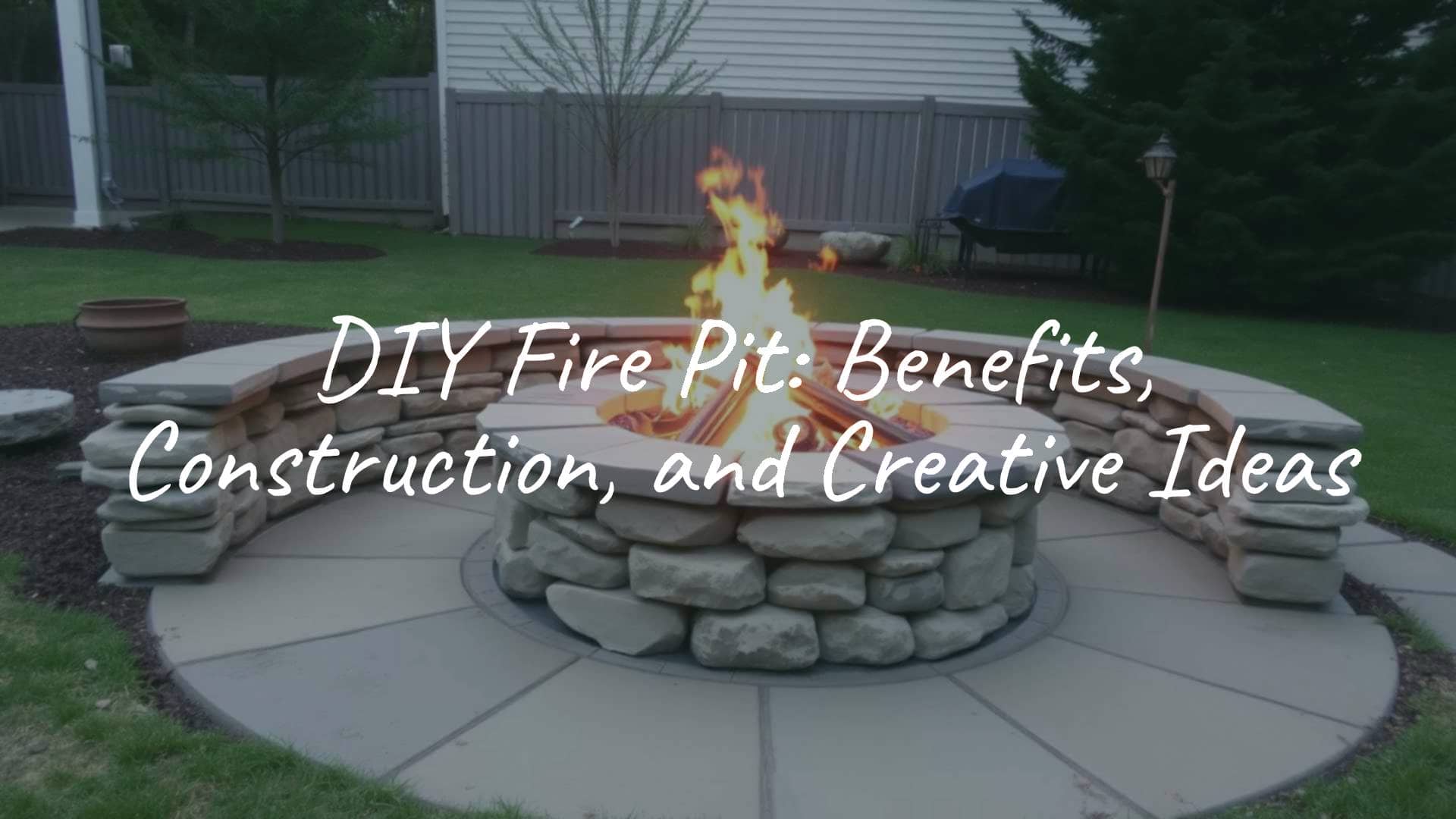
Building a diy fire pit is a simple project that involves choosing a safe spot, digging a shallow base, and stacking heat-safe materials-like fire bricks or stone pavers-to form a solid ring for outdoor fires. By following a few clear steps and your local safety rules, you can turn a plain patch of grass into a permanent hangout for family and friends. This guide covers the basic materials, safety rules, and building methods you need to make a fire pit that works well and looks good.
Doing it yourself gives you full control over the look, whether you want a rough stone circle or a smooth, modern concrete bowl. A fire pit often becomes the center of a bigger outdoor area, so you may also plan seating, lighting, and drainage. In the next sections, we’ll go through everything from fuel choices to step-by-step building instructions, so your backyard fire pit project turns out great.

DIY Fire Pit Benefits and Considerations
Why Build a Fire Pit Yourself?
There is a special satisfaction in sitting around a fire you built with your own hands. Building a fire pit yourself is usually much cheaper than hiring a contractor. A professional has to charge for labor, tools, and overhead, while a DIY builder can buy blocks, pavers, or even reclaimed materials for much less. For example, a simple stone ring can cost as little as $50 to $80, while a custom built-in feature can cost thousands.
A DIY project also gives you almost endless design freedom. You are not stuck with a few models from a catalog. You can choose the exact diameter to fit your favorite chairs, pick stones that match your house, and add extras like built-in benches or drains. A fire pit also helps you use your yard more often, turning cool fall evenings into cozy nights outside.

Possible Risks and Safety Precautions
Safety is the most important part of any fire project. Before you dig, call 811 to have underground utilities marked. Hitting a gas or power line can quickly turn a weekend job into an emergency. Also check with your city and your homeowners association (HOA), as some places control the size of fire pits and which fuels are allowed. Your home insurance company may have rules about how far a fire pit must be from your house or other structures.
Material choice matters a lot for safety. Never use porous stones like river rock or pea gravel inside the fire ring; they can trap water and sometimes burst when heated. Place your fire pit a safe distance from buildings-25 feet is ideal; 10 feet is usually the bare minimum. Keep a fire extinguisher, garden hose, or bucket of sand close by, and do not leave the fire alone until it is fully out and cold.
Fire Pit Types and Fuel Options
Wood-Burning Fire Pits
The smell of wood smoke and the sound of crackling logs are classic campfire features. Wood-burning pits are the most traditional and usually give off the most heat, which is helpful in colder areas. They are fairly simple to build because they don’t need gas lines or power. You can burn natural firewood for a true campfire feel or use pressed fire logs for a steady, slightly cleaner burn.

Wood fires do need more care. You’ll need a dry place to store wood and you’ll have to clear ash often so air can move through the fire. In areas with air-quality rules and “no-burn” days, you may be limited in how often you can use a wood pit. Still, for those who enjoy a real flame, it is hard to beat a live wood fire.
Propane and Gas Fire Pits
If you value ease of use and a clean setup, propane or natural gas fire pits are a strong choice. These light with a switch or valve and give you instant flame without waiting. They produce no smoke, almost no stray embers, and no ash, making them friendly for close neighbors and small lots. Because they don’t throw sparks, they can be safer on decks or near trees when properly shielded.
Building a gas pit takes a bit more work because you need a burner and may need to run a gas line. If you use a portable propane tank, plan a way to hide it-either inside the base of the pit or nearby with a longer hose. The fuel usually costs more than wood you collect yourself, but the easy on/off control often means you’ll use the fire pit more often.
Smokeless Fire Pits
Smokeless fire pits are a newer style that many homeowners like. Brands such as Solo Stove use a double-wall design. Cool air enters through bottom holes, heats up between the walls, then comes out near the top to create “secondary burn.” This burns off tiny bits of wood that would normally turn into smoke, so you get a hotter, cleaner flame.

You can buy these as ready-made units, or you can build a stone surround and set a smokeless insert into it. That way you get the permanent look of a masonry pit with the cleaner burn of modern gear. This setup is great for anyone who enjoys a fire but dislikes the smoke smell that sticks to clothes and hair.
In-Ground vs. Above-Ground Designs
Choosing between in-ground and above-ground pits mostly depends on your yard and style. In-ground pits sit low and blend in with the landscape. They don’t block views and can look very natural. They also do a good job of keeping embers contained and are often safer in windy conditions. The trade-off is more digging and more attention to drainage so they don’t fill with water after rain.
Above-ground pits are the most common DIY choice because they’re simpler to build and naturally give you a ledge for feet or seating. They stand out more as a focal point in the yard and put less strain on your back while building. Above-ground walls can also include gaps or vent blocks for better airflow, which helps the fire burn hotter and cleaner.
Portable and Tabletop Fire Pits
You don’t always need a permanent structure. If your space is limited, or you rent and can’t dig up the yard, portable and tabletop fire pits are great options. A tabletop unit can be as small as a ceramic bowl filled with gel fuel or a metal cup burning isopropyl alcohol. These can be put together in minutes and make a striking centerpiece for an outdoor table.
Portable pits, usually made of steel or cast iron, let you move the fire area from patio to lawn as needed. Some versions reuse items like stainless steel washing machine drums, which have built-in holes for very good airflow and a cool industrial style. These small pits are perfect when you only want a short, one- or two-hour fire.
Planning Your DIY Fire Pit Project
Selecting the Best Location
The best spot for a fire pit balances looks and safety. Choose a place that feels like part of your yard’s layout-maybe at the end of a path or in a corner that already feels like a natural sitting area. For safety, try to keep about 25 feet between the pit and any structures like your house, shed, or fence. In small yards, 10 feet is usually the minimum allowed by local rules.

Also look overhead. Don’t place the pit under low tree branches or power lines. Think about typical wind direction where you live; you don’t want smoke blowing into open windows or straight at your neighbor’s porch. Putting the pit just downwind of where people sit usually makes the area more pleasant.
Fire Pit Size and Shape Options
For 2 to 4 people, an inside diameter of 3 to 4.5 feet works well. This size gives you a good fire size without pushing people so far away that they have to shout. If you host big gatherings, you can build wider, but larger pits use more fuel and can be harder to manage.
Shape is another key choice. Round pits are classic and make conversation easy because everyone faces the center equally. Square or rectangular pits look more modern and can be simpler to build using standard brick or block. Whatever the shape, a wall height of about 12 to 18 inches usually feels best; people can see the fire and each other without leaning or stretching.
Legal and Code Requirements
Before buying materials, check your local rules. Many cities require a permit for a permanent fire pit. They may spell out how deep the pit can be, how high the walls can rise, or what fuels you can use. Your HOA might also set standards about style or materials so the pit fits the look of the neighborhood.
Also talk to your home insurance agent. Some policies have special rules for open flames outside. Following these rules not only keeps people safe but also protects your home investment. Spending a little time on these checks at the start can save you from having to tear down a finished fire pit later.
Materials and Tools Checklist
How long your fire pit lasts depends a lot on the materials you pick. For the outside walls, standard retaining wall blocks or pavers like “RumbleStone” work well because they are strong and easy to stack. For the inner wall-the part that touches the flames-you should use fire bricks (also called refractory bricks). These can handle very high heat without breaking down.

Besides the main stones or blocks, you’ll need:
- Landscape adhesive: To bond the stone layers together.
- Lava rocks or fire glass: To line the bottom and protect the base.
- Paver base or gravel: For a solid foundation.
- Marking paint: To outline the shape of your pit.
Tools You Need for Construction
You don’t need a full workshop, but some tools make the work faster and easier. A shovel and garden rake are needed for digging and leveling. A hand tamper packs down soil and base material so the pit doesn’t shift over time. A reliable level is extremely helpful; if your first row of blocks isn’t level, the whole structure will lean.
For cutting blocks to fit curves, a circular saw with a concrete blade is very useful, though you can also shape stones with a hammer and chisel for a rougher look. Wear safety gear: sturdy gloves, safety glasses, and a dust mask when cutting or moving heavy pieces. You’ll also need a caulk gun to apply the landscape adhesive.
What to Use as a Fire Pit Base or Liner?
The base of your fire pit must support the weight and let water drain away. A layer of compacted paver base or crushed limestone gives a firm foundation that doesn’t settle in patches. On top of that, a layer of sand or lava rock helps block heat from the soil and lets rainwater drain so the pit doesn’t stay wet.
If your fire pit sits on an existing patio, protect the patio stones and their joints. In that case, put down fire bricks or a thick bed of lava rock inside the pit. Some builders also install a metal fire ring as a liner. The ring gives a clean edge, shields the outer stones from direct heat, and can help them last much longer.
Step-by-Step DIY Fire Pit Construction Guide
Mark and Prepare the Fire Pit Site
Start by driving a stake into the ground where the center of the pit will be. Tie a string to the stake that is half the size of your planned pit diameter. Attach a can of marking paint to the other end of the string, pull it tight, and walk in a circle while spraying. This works like a basic compass and gives you an even, round outline.
After marking the circle, remove all grass, roots, and loose debris inside the line. If you’re building an above-ground pit, clearing the surface is usually enough. For in-ground or partly buried designs, plan for a deeper dig. At this point, confirm once more that the location is far enough from buildings, fences, and other flammable items.
Excavate and Level the Foundation
Dig the area inside the circle to a depth of about 6 to 12 inches. In yards with heavy clay or poor drainage, you may want to go down 18 inches and add extra gravel later. Keep the sides of the hole as straight as you can with the shovel. This dug-out area forms a pocket for your base, which helps keep the pit steady through freeze and thaw cycles.
Use a hand tamper to compact the soil at the bottom. You want a firm, even surface. Check it with a level; it doesn’t have to be perfect yet, but the closer you get now, the easier later steps will be. Remove high spots by scraping them away, instead of just pounding them down.
Install the Fire Pit Base Layer
Pour 2 to 4 inches of paver base or crushed limestone into the hole. This material locks together when packed. Lightly mist it with a hose so the particles settle, then tamp it firmly until it feels solid. This base keeps the fire pit from sinking or tilting over time.
If needed, spread a thin layer of leveling sand over the base. Use a straight 2×4 and a level to drag (screed) the board across the sand, smoothing it into a flat surface. This is the most careful part of the whole job, but getting it right now makes stacking the stones simpler and the final pit much more even.
Lay the First Course of Blocks or Stones
Set the first ring of blocks directly on the prepared base. Fit the blocks tightly against each other. After you place each block, check it with the level both front-to-back and side-to-side. If one sits too high, tap it down gently with a rubber mallet. This first row matters most; any tilt here will show more with each row you add.
On round pits, you might need to shift blocks slightly to keep a clean circle. If using rectangular blocks, you may have to cut a few to match the curve. When the ring is complete and level, some builders sweep a bit of sand into any small gaps to help lock the blocks in place.
Stack Additional Layers for Height
Before adding the next row, brush dust and sand off the tops of the lower blocks. Run a bead of landscape adhesive in a zigzag pattern on the row below. Place the new blocks on top, offsetting the joints so they don’t line up with the seams from the row underneath. This staggered pattern makes the structure much stronger.

Keep stacking rows like this until you reach your planned height, usually 3 or 4 rows. On the second or third row, you can leave a small gap between two blocks on opposite sides to act as air vents. These vents help feed oxygen to the fire and often lead to a hotter, cleaner burn. After each row, check again that everything is level.
Add Fire Bricks or Inserts (If Needed)
If your outer blocks are not rated for high heat, add a lining now. Stand fire bricks upright against the inside wall of the pit. You can use fire-rated mortar or just fit them snugly side by side. These bricks take on most of the heat and protect the outer stones from cracking.
Another choice is to install a metal fire ring insert. These are usually made from thick steel and give a neat, finished look. If there’s a gap between the ring and the stone wall, fill it with gravel or lava rock to keep the ring steady and add extra insulation.
Finish and Secure All Components
When you’ve stacked all the rows, you can add a “cap” if your block set comes with one. Cap stones are usually wide and flat, forming a comfortable ledge around the pit. Use plenty of adhesive on these stones, since people are likely to sit or step on them. Let the adhesive cure for at least 24 hours (or follow the product directions) before starting a fire.
Fill any gap around the outside of the pit with soil or decorative gravel and pack it down so the pit feels solid and stable. Clean up leftover debris and tools. At this point, your new fire pit is ready for use once the adhesives and mortars are fully dry.
Finishing Touches and Customization
Seating Options and Arrangement
The fire pit is only half the story; seating makes the space usable. Adirondack chairs are a favorite choice because their low, angled backs and wide arms are comfortable and handy for holding drinks and snacks. Place the front legs of the chairs about 6 to 7 feet from the pit’s edge to keep people warm without getting too close to the flames.

For a more permanent setup, you can build stone benches that match the fire pit. These can curve along a round pit or run straight beside a square one. Add outdoor-safe cushions in colors that suit your style for extra comfort and a “living room” feel. In a sloped yard, use the grade change to create a partially sunken seating area that feels cozy and sheltered.
Decorative Gravel, Stone, or Patio Additions
The surface around your fire pit should be safe to walk on and good-looking. Many people create a “fire zone” using crushed stone or pea gravel. This looks clean and gives extra protection against stray sparks. A circle of gravel around 24 feet across offers plenty of room for chairs and walking.
To keep gravel from spreading into the lawn, add landscape edging around the edge of the area. Use plastic, metal, or even the same stones as the pit. For a more finished style, build a small paver patio around the pit. Using a different color or pattern of pavers around the fire ring can highlight the pit as the centerpiece of the yard.
Creating Lighting Around Your Fire Pit
The fire gives light, but extra lighting makes the space safer and more inviting. Hanging string lights, such as Edison-style bulbs, between the house and posts or trees creates a glowing “roof” of light. Just keep the lights far enough from the flame so heat doesn’t damage the cords or bulbs.
Solar path lights along walkways help guests move from the house to the fire pit safely. You can also add small LED puck lights under the edge of the cap stones or at the base of benches. This gentle glow highlights the stone texture and makes it easier to see steps and edges after dark.
Weatherproofing and Maintenance Tips
To keep your fire pit area looking good, plan on simple, regular care. For wood-burning pits, shovel out cold ash after every few fires; too much ash blocks airflow and traps moisture, which can damage stones and adhesive. For wood chairs, add a fresh coat of outdoor sealer or paint once a year to protect them from sun and rain.
During winter or long breaks between uses, cover your fire pit with a sturdy vinyl or metal cover. This keeps out water and snow, which helps prevent damage from repeated freezing and thawing. If you used landscape adhesive, look over the joints now and then. If you notice any loose blocks, add fresh adhesive to keep everything tight.
Creative DIY Fire Pit Ideas
Washer Drum Fire Pit
A washing machine drum makes a clever and cheap fire pit. You can often find old drums at junk yards or repair shops for very little. The steel body and hundreds of small holes allow excellent airflow, which helps fires light easily and burn well with less smoke.
To prepare the drum, clean it and spray it with high-heat paint. Mount it on metal legs or set it inside a short stone ring. The result has an industrial style and works very well as a practical, reusable fire container.
Modern Concrete Fire Bowl
If you like a clean, modern look, a concrete fire bowl is a great project. You’ll need two plastic bowls of different sizes to form a mold. Pour mixed concrete into the space between the two bowls, let it cure, then remove the plastic. This gives you a smooth bowl that looks elegant filled with lava rock or colored fire glass and powered by a small propane burner.
Concrete bowls are heavy, which makes them feel solid and permanent. You can leave the natural gray color for an industrial style or mix in concrete dye for a darker charcoal or warm terracotta tone. The simple shape and clean lines fit especially well in modern patio designs.
Natural Stone and Brick Designs
For a more classic or rustic look, natural stone is hard to beat. Fieldstones and irregular boulders create a pit that appears like it has always been part of the yard. You can stack these without mortar for a loose, natural look, or use mortar to create a more formal ring. A matching flagstone patio around this type of pit makes the area feel like a natural retreat.
Brick is another timeless choice. Reclaimed bricks add character and history to the space. You can lay them in straight courses or use patterns like herringbone or a “soldier” row standing on edge around the rim. The old, worn faces of reclaimed brick contrast nicely with green grass and bright plants.
Fire Pit with Built-In Benches
For a true outdoor lounge, combine your fire pit with built-in block or brick benches. Using the same materials for both the pit and seating creates a connected, unified look. Bench backs can rise high enough to block wind and give you more privacy from nearby yards.
This type of setup works well in a corner or near a pool or garden. Add built-in planters at the ends of the benches and fill them with plants or herbs like lavender or rosemary. The plants look great and their scent mixes nicely with the warmth and light of the fire.
Frequently Asked Questions about DIY Fire Pits
Is it Cheaper to Build or Buy a Fire Pit?
In most cases, building a fire pit yourself costs less, especially if you already have tools like a shovel and level. A simple DIY ring made from pavers or a kit usually runs between $50 and $200. A pre-made stone pit from a store can cost $500 or more, and hiring a pro to build and install one can easily go over $1,500.
Buying can cost less only if you choose a very basic portable metal bowl. These are often under $50 at large stores. But the thin metal tends to rust and burn out after a season or two. A well-built masonry fire pit can last for decades. If you think about “cost per year of use,” a DIY stone pit often wins clearly.
How Do You Make a Simple Homemade Fire Pit?
The easiest method is to use a fire pit kit from a home center. These kits come with blocks cut to fit together neatly, usually with no cutting at all. You clear a flat area, spread a base of gravel, and stack the blocks in a ring. Many people complete this in a single afternoon.
For an even simpler setup, dig a shallow hole and place large, solid stones (not porous river rock) around the edge. While this may not look as finished as a built stone ring, it works as a temporary pit and is easy to change or remove. The main thing is to have level ground and a clear space free of plants or other fuel.
What Should Go in the Bottom of a Fire Pit?
The best materials for the bottom are those that handle heat well and let water drain. A 2-3 inch layer of sand is common; it’s cheap, easy to level, and shields the ground. Lava rock also works well. It is light, lets air move through, and looks neat and professional. It also holds warmth for a while after the fire goes out.
For maximum protection, especially on a patio, you can lay fire bricks across the bottom. Avoid using wet river rocks or regular pea gravel, since they can break or pop when heated. Stick with materials recommended for fire use or dry masonry sand for a safer setup.
How Much Maintenance Is Required?
A well-built masonry fire pit doesn’t need much care. The main task is removing ash. Wait at least 24-48 hours after use so ashes are fully cold, then shovel them into a metal container. If ash stays and gets wet, it can form a caustic paste that slowly damages bricks and adhesives.
Give your fire pit a quick check once a year, usually in spring. Look for loose stones or cracked bricks and repair them with fresh landscape adhesive or fire mortar. For gas pits, make sure burner holes are clear of dust, leaves, or spider webs. With about half an hour of care each year, your fire pit can stay a key feature in your yard for many seasons.
For long-term enjoyment, you can add a few useful extras. A strong steel grate turns your fire pit into a grill for wood-fired meals. In rainy areas, a flat metal “snuffer” lid can put out the fire quickly and keep water out between uses. A simple firewood rack nearby, holding both hardwoods like oak for longer burns and softwoods like pine or cedar for easy starting, keeps you ready for a last-minute fire. Storing wood off the ground and under cover helps prevent rot and keeps your fuel dry and ready whenever you want to light a fire.











![What to with Scrap Metal? [infographic]?](https://facts-homes.com/wp-content/uploads/2019/07/645413-POPYOV-391-120x86.jpg)