

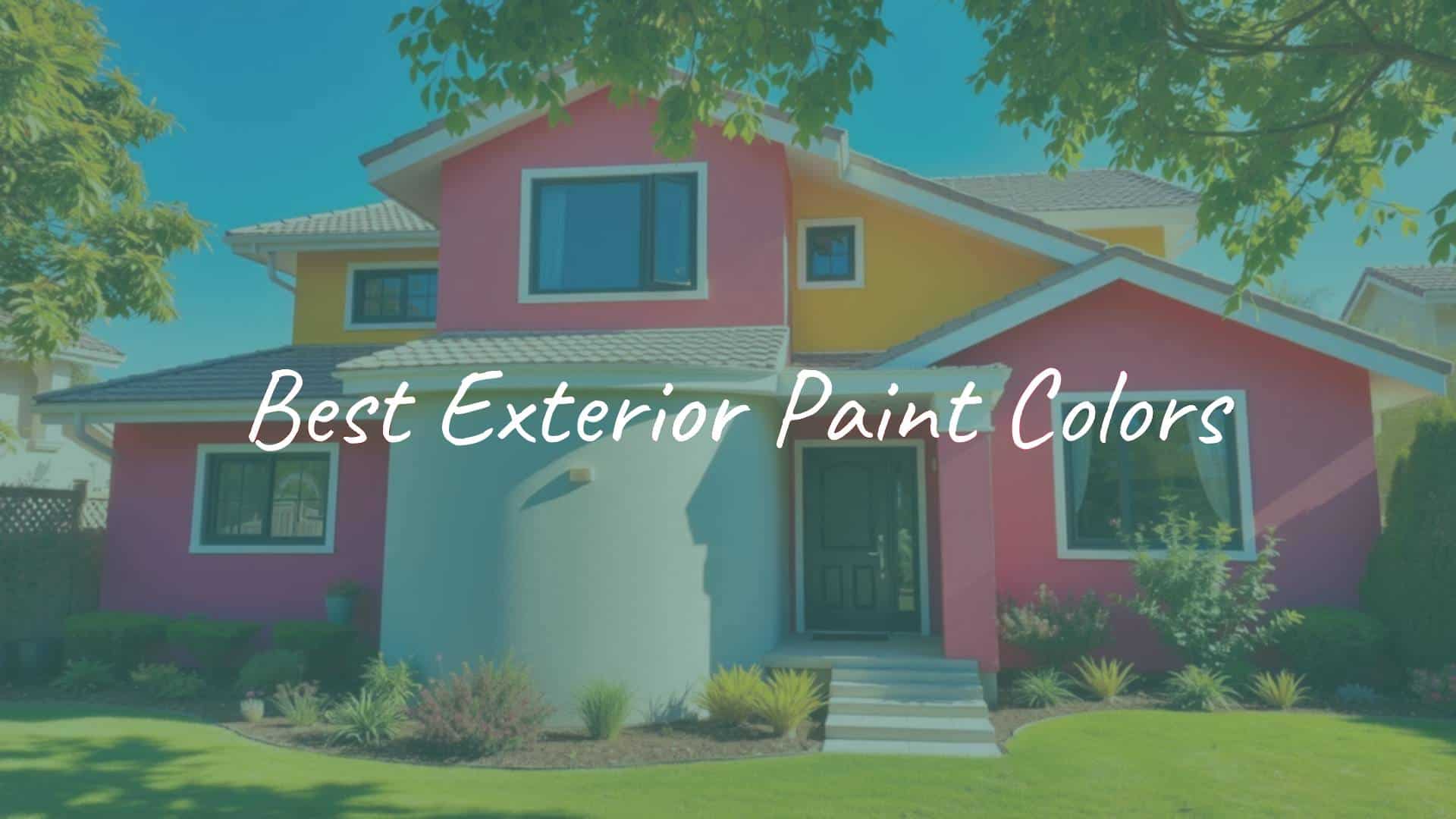
Choosing the best exterior paint colors for your home doesn’t have a single right answer. It depends on your taste, your home’s architecture, local styles, and even the trees and houses around you. The right color group should fit your home’s character, boost curb appeal, and hold up well outdoors. This guide walks through popular options-from classic to modern-and gives you clear tips to help you pick a color scheme you’ll be happy with for a long time.
Painting your home’s exterior is one of the fastest and most cost-effective ways to change its look and possibly raise its value. It takes time and money, so smart color choices matter. We’ll look at favorite color families, practical points to think about, and useful hints for getting a polished, professional-looking finish.
What Are the Best Exterior Paint Colors for Homes?
Finding the best exterior paint colors usually starts with knowing what people are drawn to now and which colors have looked good for decades. From new design trends to traditional shades that never seem to fade in popularity, there are many options. Your exterior palette should show your style, but a bit of direction from what’s current and what’s proven can help a lot.
Designers often say the best exterior paint color is one that looks great and protects your home. Products like Benjamin Moore Aura® Exterior, Regal® Select Exterior, and Element Guard® offer rich color along with strong resistance to fading, cracking, and peeling, plus mildew-resistant finishes for damp climates. Good paint quality helps your chosen color look good and last longer.
Popular Exterior Color Trends by Year
As we move toward 2025, more homeowners are drawn to bold yet stylish exterior colors that improve curb appeal and reflect personality. Some 2024 favorites are staying strong, while new color groups are popping up, with a focus on warmth, long-term appeal, and nature-inspired tones. This mix gives you many options if you want to update your home’s appearance.
Earthy sage green is expected to be a major exterior color in 2025. This soft, flexible shade fits nicely with natural surroundings and creates a calm, refined look. Sage green works well with white trim or warm wood details and suits many styles, from Craftsman homes to cottages. Another growing trend is gentle orange tones, like Sherwin-Williams® Subdued Sienna or Spiced Cider. These chalky, sunbaked hues add warmth and charm, similar to desert scenery, and suit Southwestern or Mediterranean-style houses, or as accent colors for shutters and doors. Deep browns such as Sherwin-Williams® Urbane Bronze and Benjamin Moore Deep Creek are also gaining ground, often replacing black. They add warmth, depth, and drama and work on everything from city townhomes to rustic barndominiums.
Classic and Timeless Exterior Colors
Some exterior colors feel classic no matter what’s trending. These shades always look polished and never out of place. Neutral colors are especially strong in this group. Light grays, whites, and beiges are often seen as safe choices that boost curb appeal and please many tastes. They also make a good base for brighter door or shutter colors, giving you flexibility over time.
White is a traditional favorite that never goes out of style. Benjamin Moore Simply White and Ballet White are long-running picks that work with many home styles, from farmhouse to beach houses. White Dove OC-17 is another popular white, with a soft beige undertone that helps it sit nicely in the landscape. If you want a warmer feel, greige shades (a mix of gray and beige) bring both warmth and versatility. Sherwin-Williams® Agreeable Gray and Benjamin Moore Revere Pewter are steady favorites because they work with many other colors and materials. Benjamin Moore’s Historical Collection includes classics like Stonington Gray HC-170 and Edgecomb Gray HC-173, inspired by traditional American homes.
Modern Exterior Paint Colors
Modern exterior colors often lean into bold looks, strong contrast, and simple, unified palettes. The sharp white-and-black modern farmhouse is still around but is slowly shifting to include more character and layered tones. Deep, rich shades are common in modern design and give homes a sleek, current feel.
Dark, statement-making exteriors are now seen as a lasting style rather than a passing fad. Favorites include Black Satin 2131-10, Black HC-190, Kendall Charcoal HC-166, and Dragon’s Breath 1547. These colors can be especially striking with bright white trim and a vivid accent (like red), as with Black HC-190. Charcoal gray is bold yet refined and pairs well with wood, stone, and brick. Benjamin Moore Chelsea Gray and Kendall Charcoal are strong examples. Many homeowners are also choosing softer, semi-monochrome looks where trim and eaves are very close to the main body color, for a smooth modern effect. This works with shades like Benjamin Moore Mediterranean Olive or deep blue-grays, using shifts in tone across different parts of the house to create interest.
Color Family Guide: Top Exterior Paint Color Options
Starting an exterior paint project is easier when you think in terms of color families. Each group has its own feel and mood, helping you shape how your home looks. From bright white to dramatic charcoal, there’s a wide range of choices.
Think about how each color family reacts to sunlight, your home’s style, and the nearby landscape. The right color can make your home feel larger, warmer, or more striking. A poor match can fight with the setting or hide your home’s details. The sections below highlight some of the most useful exterior color families.
White and Off-White
White and off-white are forever popular. They look clean, bright, and flexible, and they usually last longer outside than darker shades because they reflect light instead of soaking up heat. They suit many architectural styles-from contemporary to traditional-and pair easily with almost any accent color.
Benjamin Moore White Dove OC-17 is a long-standing favorite due to its slight beige undertone that helps it blend with the environment. Other good light options include Cloud Cover OC-25, Swiss Coffee OC-45 (warm but not too creamy), and Distant Gray OC-68. Sherwin-Williams Pure White SW 7005, Alabaster SW 7008, and Snowbound SW 7004 are also commonly used, especially in bright, sunny areas. These colors can make a house look larger and more welcoming and give a classic, enduring look.
Warm Neutrals and Greige
Warm neutrals-beige, taupe, and greige-create cozy, friendly, and refined exteriors. They sit between crisp whites and dark grays and form a flexible base that works with many architectural styles and finishes. They are reliable starting points because they mix well with almost anything.
Sherwin-Williams® Accessible Beige and Benjamin Moore Shaker Beige are strong choices for warm neutrals that feel inviting. Greige shades, mixing gray and beige, bring extra depth and balance. Benjamin Moore Revere Pewter HC-172 is a well-known neutral that links warm and cool tones, making it very adaptable. Other useful greiges include Rockport Gray by Benjamin Moore and Fawn Brindle by Sherwin-Williams®. These colors suit traditional homes and also look great on modern houses, especially with crisp or soft white trim. Valspar Heritage Gray 7007-24 is another warm greige more homeowners are noticing.
Gray and Blue-Gray
Gray remains one of the most popular exterior choices, from light dove gray to dark charcoal. It can be subtle or bold and works in many climates and regions. Cool gray siding can make lawns and gardens stand out strongly in front of it.
Blue-gray tones feel calm and welcoming while still making a statement. Popular options from Benjamin Moore include Boothbay Gray HC-165, Wedgewood Gray HC-146, and Solitude AF-545. Silver Gray 2131-60 is a classic pale gray with a hint of blue-green that looks fresh and modern. For deeper grays, Kendall Charcoal HC-166 and Charcoal Slate HC-178 are strong picks, especially with sharp white or neutral trim that draws attention to details. Sherwin-Williams Gauntlet Gray is another widely used charcoal. Using several shades of gray or blue-gray across siding and trim can add depth and create a pulled-together exterior.
Earthy Greens and Sage
Earthy greens and sage shades are becoming very popular as people look for colors that feel natural and calming. These tones are great for homes surrounded by trees or for anyone who wants their house to blend easily into the landscape. Sage green is one of the standout trends for 2025.
Top sage and green picks include Anonymous and Evergreen Fog by Sherwin-Williams®, and Benjamin Moore Hampshire Gray HC-101, a neutral-leaning green that can take the place of charcoal in some schemes. Louisburg Green HC-113 is a cool, muted, mossy green that brings outdoor color onto your siding. These greens pair well with white trim and warm wood details and suit Craftsman homes, cottages, and more. For a deeper, richer green, Caldwell Green HC-124 (a hunter green with blue undertones) feels like a dense forest. Bolder options such as Benjamin Moore Sherwood Forest 2048-10 can create a dramatic look that blends into trees in summer yet pops against snow in winter.
Deep Charcoal and Black
Deep charcoal and black exteriors feel chic and dramatic and are now a steady feature of modern design. These strong colors can highlight landscaping and architectural lines like few other options.
If you want a truly dark exterior, Black HC-190, Black Satin 2131-10, and Kendall Charcoal HC-166 are frequently chosen. You can use them on both siding and trim for a bold, unified look. Iron Mountain 2134-30 with White Dove OC-17 trim is another refined dark scheme. Sherwin-Williams Greenblack, a black with a hint of green, has a natural vibe and is sometimes called the “new black.” Benjamin Moore Graphite is a go-to dark gray that sits comfortably between pure black and blue-leaning charcoals. Dark colors do absorb more heat and can show pollen and dirt more easily, so they may need more maintenance. Still, many people feel the rich, grounded look is worth it, especially with wood accents and large windows.
Bold Colors: Blues, Reds, and Yellows
If you want your home to show more personality, bold blues, reds, and yellows can make a strong statement. These colors help your exterior stand out, express your style, and leave a lasting impression.
Blue is one of the most loved exterior colors. Light shades like Benjamin Moore Gossamer Blue feel airy and cheerful and work especially well in coastal and suburban areas. Needlepoint Navy by Sherwin-Williams® gives a deeper, classic navy look. Reds-from bright to wine-toned-shine on country homes and updated barn-style houses. Benjamin Moore Caliente is a vivid, traditional red that works especially well on doors and accents. For a true showpiece, some designers have used energetic pinks like Benjamin Moore Pink Paradise on Spanish-style homes in desert settings. Yellows such as Benjamin Moore Yellow Oxide can highlight historic details and reflect sunny natural tones. Bold colors should be chosen with care so they fit the house style and neighborhood, but they can be a great way to express individuality.
How to Select the Ideal Exterior Paint Color
Picking an exterior paint color is more than choosing a shade you like on a chip. Your home’s exterior is the first thing people see, and the right color plan can strongly improve how it looks and feels. This section walks through key points to think about so your color choice suits both your house and its setting.
Details like your home’s design, fixed materials, and how light hits it during the day all change how a color appears. Taking time to look at these factors will help you feel more confident and end up with a result that feels right for your property.
Considerations for Architectural Style
Your home’s style is one of the main guides for choosing exterior colors. Certain looks pair naturally with certain palettes and help keep the house true to its roots. For example, a Victorian-style home might use several colors, including deep blues and reds, such as Sherwin-Williams Cascades on the siding and Red Barn on doors. A midcentury modern house might suit earthy greens or a playful pink that fits that period. Simple Shaker architecture often works well with strong, meaningful colors that stand out on clapboard walls.
A Greek Revival home might lean toward brilliant white with deep blue shutters for a clean, classic appearance. Your building materials also matter: brick, stone, wood shingles, or terra-cotta roof tiles all suggest certain tones. Color pros often recommend starting by matching your palette to these permanent elements so everything looks connected and respectful of the home’s original design.
Influence of Surroundings and Landscape
The landscape around your home plays a big role in how an exterior color looks and how well it fits in. Colors that go well with your lawn, plants, trees, and local climate can make your house feel like a natural part of the scene. For example, homes in green, wooded areas often look good in earthy greens or cool grays that let the foliage stand out rather than compete. A mossy green such as Benjamin Moore Louisburg Green HC-113 brings outdoor colors right onto the siding.
You’ll also want to notice nearby houses. You can still show your style, but a color that clashes strongly with every other house can feel out of place. Some regions lean toward certain palettes-for instance, many homes in the Northeast use blacks, grays, neutrals, and whites. Aim for shades that work with your neighborhood, architecture, and landscape to create a pleasant, unified streetscape.
Impact of Lighting on Paint Colors
Lighting is one of the most important-and most overlooked-parts of picking exterior paint. Colors shift a lot in different lighting, so what looks perfect on a small swatch indoors can look very different on a whole house outside. A color in the shade of a tree will seem darker than the same color in full sun. The direction your house faces matters too.
A color with a slight blue undertone may feel crisp and cool on a north-facing wall but can seem brighter and warmer on a south-facing side. Because of these changes, testing samples in real conditions is a must. Look at them at several times of day and in different weather so you can see how the color truly behaves on your home.
Choosing Colors for Accents and Trim
Most exterior schemes use more than one color. You’ll typically have a main body color plus trim and accent shades. Trim, shutters, garage doors, and the front door are all chances to add interest, contrast, and personality.
White trim is a timeless choice that outlines details and contrasts with nearly any body color. Many homeowners are also choosing nearly single-color schemes where trim and eaves are very close to the main color for a smoother, modern feel. Front doors and shutters are often the same color, but you can also choose a lighter or darker version to add quiet contrast. Strong colors like deep teal, chartreuse, burnt orange, or wine-red work well for doors and small accent areas and act like “mini canvases” for bolder choices. Glossy or semi-gloss finishes are usually used on trim, shutters, and doors to call attention to those features.
Trim, shutters, garage doors, and the front door are all chances to add interest, contrast, and personality.
Testing Samples and Color Visualization
Once you have a shortlist of colors, the most important step before painting the whole house is testing and visualizing them. Benjamin Moore suggests using 8 oz. brush-on samples on white foam boards instead of painting directly on your siding. This avoids mixing with your current color and keeps the test paint (which is often interior-grade) off your exterior.
Take the boards outside and move them around your home. Look at them in full sun, shade, morning light, and evening light. See how each color looks next to your roof, stone, brick, and plants. You can also use online tools like the free Benjamin Moore Color Portfolio® app or the Sherwin-Williams Paint Color Visualizer. These let you upload a photo of your house and try out combinations virtually. Together, physical samples and digital tools cut guesswork and reduce the risk of disappointment.
Which Paint Color Is Best for Your Home Exterior Needs?
Beyond style, your choice of exterior color should also work well in real-world conditions. The best color for your home may be the one that raises curb appeal, fits its size, holds up to your climate, and looks good for many years. Thinking about these practical points helps you pick a color that looks good and makes sense long term.
From resale value to climate and upkeep, you’ll balance several factors. The next sections look at these needs more closely so you can choose wisely.
Colors That Boost Curb Appeal and Value
If your goal is to increase curb appeal or prep your home for sale, some colors tend to work better with buyers. Soft grays, whites, and beiges are often safe bets. They feel timeless, appeal to a wide group of people, and give a neutral background that lets buyers picture their own style. Warm beiges with brick or stone, soft charcoals, and muted greens are also strong choices that feel both welcoming and refined.
For resale, it usually makes sense to skip extremely trendy shades or very bright colors that might turn off some buyers. If you love strong color, you can use it on the front door instead, since that’s easy to repaint. Research shows that softer tones on front doors-such as white, gray, gray-blue, and gray-green-often rate highly with homeowners and leave a good first impression.
Exterior Colors for Small Versus Large Homes
Your home’s size also affects which colors work best. Lighter colors tend to make buildings look larger and more open. This helps smaller homes or narrow facades feel more spacious from the street. Whites, off-whites, and pale grays are good choices for this effect. Benjamin Moore White Dove OC-17, Cloud Cover OC-25, and Swiss Coffee OC-45 are popular picks that give smaller homes a light, airy feel.
Bigger homes can handle darker, richer colors without feeling too heavy. Deep charcoals, navy blues, and bold greens can add drama and a sense of grandeur to a large house. These colors can also help visually “ground” a big building into the landscape. On larger homes, it’s still important to use trim and accent colors to break up broad walls and emphasize windows, doors, and other features so the house doesn’t feel like one large block of color.
Paint Colors That Last the Longest Outdoors
Durability matters for any exterior paint job, since repainting is expensive and time-consuming. Longevity comes from both the paint quality and the color itself. Lighter colors usually last longer outside than dark ones because they reflect more sun and heat, putting less stress on the paint. Dark colors absorb heat, which can lead to faster fading, cracking, and peeling.
White shades often have the longest life outdoors thanks to their reflective qualities. Neutral mid-tones also tend to hold up well. High-end exterior paints like Benjamin Moore Aura® Exterior with Color Lock® technology or Element Guard® are made to resist harsh weather, wind-driven rain, humidity, and more, which helps any color last longer. Darker colors also tend to show pollen and dust more easily, which may mean more frequent cleaning to keep them looking fresh.
Paint Colors to Avoid for Exteriors
While you should like your exterior color, some choices can cause problems later. Very trendy or extremely bright shades can seem fun at first but may feel dated quickly, leading you to repaint sooner than you’d like. They may also hurt resale value if buyers can’t see past a loud color.
Very dark colors, while stylish, have trade-offs: they absorb heat, often fade faster in sunny areas, and can increase cooling costs. They also tend to show dirt and pollen more clearly. It’s also wise to skip colors that fight strongly with your home’s roofing, stone, brick, or with the overall look of your neighborhood-unless you’re intentionally going for a bold contrast and have a clear design plan.
Final Tips for Achieving Impressive Exterior Results
Getting a great exterior paint job involves more than picking a pretty color. You need good planning, careful testing, and solid application. Since your home’s exterior is a big investment, careful preparation and, in some cases, help from a pro can make a real difference in how long your paint lasts and how it looks.
Using digital tools, asking for expert input, and thoroughly testing samples will help you feel calm and confident about your final decision and result in an exterior that looks good and stays that way.
Using Online Tools and Paint Visualizers
Many online tools now make it easier to choose exterior colors. These tools let you see what different shades might look like on your house before you paint. The free Benjamin Moore Color Portfolio® app, for example, lets you apply colors to photos and videos of your home. Sherwin-Williams also has a Paint Color Visualizer that quickly shows color ideas.
These tools are helpful for trying out body, trim, and accent combos and seeing how they work with your home’s style and fixed features. They also give you a rough idea of how colors might react to different lighting, though real paint samples are still needed for best accuracy. Using these resources can help you narrow choices and feel more sure about what you pick.
Working with Color Consultants or Designers
If you feel stuck or want a very polished look, hiring a color consultant or exterior designer can be a smart move. These professionals know color theory, architecture, and trends, and can build a plan that fits both your home and your taste. They can help sort out undertones, lighting effects, and how colors work with your roof, brick, stone, and plants.
Designers can offer pre-tested color sets that add depth and beauty to your exterior and suggest products they trust and use themselves. Companies like Sherwin-Williams offer personalized color help that can match your schedule, project size, and budget. Many designers also provide virtual exterior design services, using your photos and a short questionnaire to create full color plans and even shoppable lists. Their input can save time, prevent expensive mistakes, and help you reach a polished result.
Sampling and Testing Before Commitment
The most important step in any exterior paint project is to test your colors before you commit to painting the whole house. Colors often look very different on a wall than on a small card and can change a lot with weather and time of day. To prevent regret and extra work, always get real paint samples of your top choices.
Benjamin Moore suggests painting 8 oz. sample colors on white foam boards instead of directly on your siding. This lets you move the samples to different parts of the exterior and see them in direct sun, shade, morning light, and evening light. Watch how each color looks with your roof, stone, brick, and plants. Though this careful testing may feel like extra work, it gives you the clearest view of how the colors act on your house. It builds confidence in your final choice and helps make sure the color you select now is one you’ll still enjoy years from today.











![What to with Scrap Metal? [infographic]?](https://facts-homes.com/wp-content/uploads/2019/07/645413-POPYOV-391-120x86.jpg)