

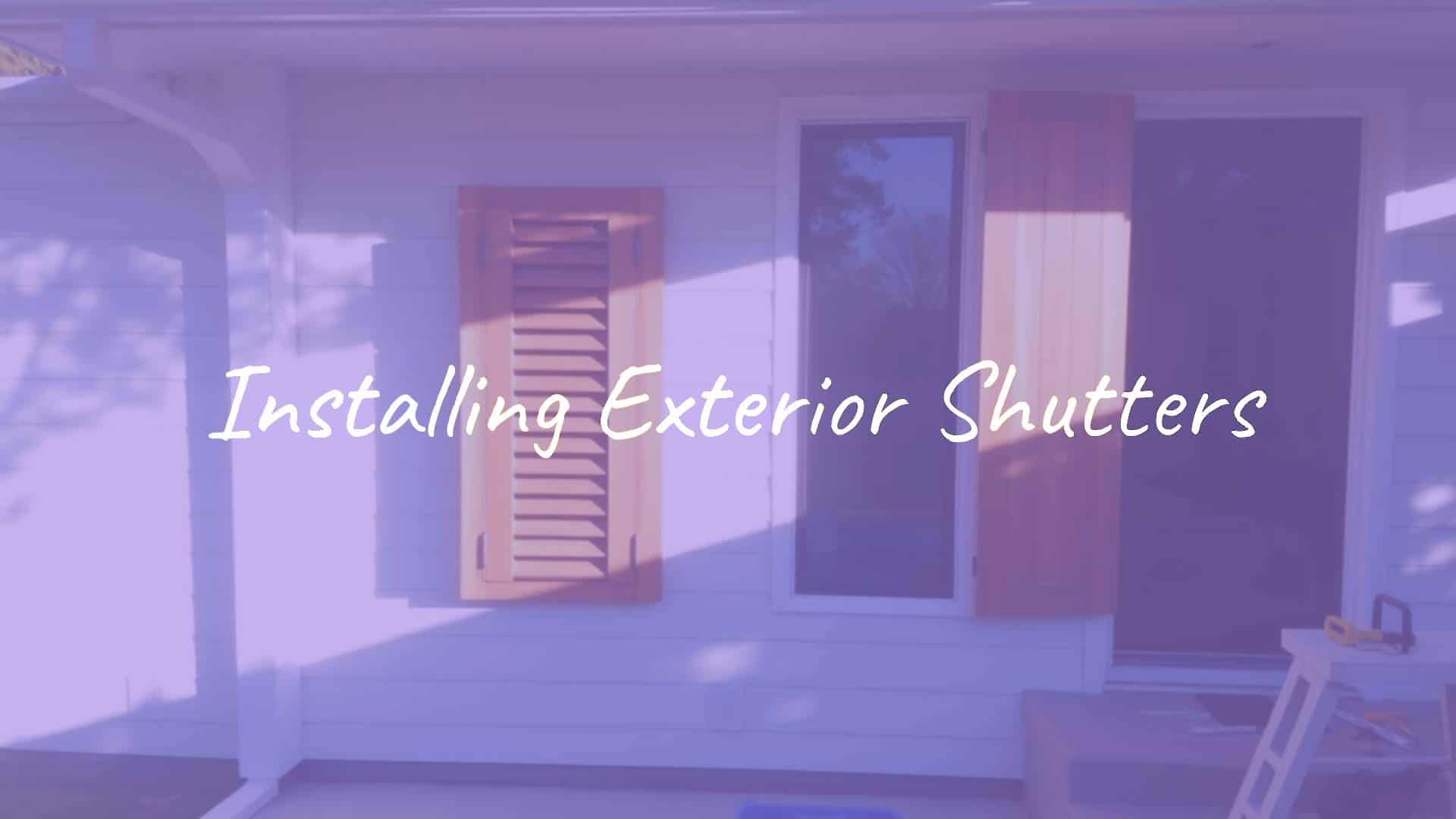
Installing exterior shutters is a home project that involves measuring your window openings, choosing the right mounting hardware for your exterior, and fastening the shutters firmly so they stand up to the weather and improve curb appeal. Whether you choose decorative vinyl panels or working wood louvers, you need careful alignment and proper drilling methods so you don’t damage your siding or masonry. By following a clear step-by-step process-from marking pilot holes to picking the right anchors-you can get a clean, professional look that adds character and value to your home.

Besides the visual upgrade, correctly installed shutters help shield your window casings and can give some extra shade or insulation. The difficulty of the job often depends on your exterior material; wood siding is usually easier, while brick and stone call for special tools and a bit more time. No matter the surface, the aim is a secure, level fit that looks like it was part of the original design.
What Tools and Materials Are Needed for Installing Exterior Shutters?
Standard Tools for Installation
Before you start, gather all the tools you’ll need so you don’t have to stop halfway through. You will want a reliable power drill with several bits, including masonry bits if you’re drilling into brick or stone. A sturdy ladder is needed for upper-story windows, and a spirit level helps you keep shutters straight so they don’t appear crooked once installed. Have a tape measure, a pencil for marking, and a hammer within reach as well.

For vinyl shutters, “shutter spikes” or plastic shutter fasteners are common. These usually require a specific drill bit size (often 1/4 inch). For heavier wood shutters, clamps can help hold the shutter while you mark holes, or you can have someone assist by holding the shutter in place. Always use safety gear such as goggles and gloves, especially when drilling into masonry, where dust and chips can fly.
Required Shutter Hardware
Your hardware depends on whether the shutters are decorative or functional. Decorative shutters often use shutter spikes or stainless steel screws with color-matched caps that blend into the frame. These keep the shutter fixed flat against the wall permanently. Working shutters need hinges and pintles so they can swing open and closed over the window. These parts should be made from durable, weather-resistant metal like powder-coated steel or stainless steel to avoid rust stains on your siding.
Anchors are also very important. If you aren’t fastening into solid wood studs, you will need wall anchors-plastic for light vinyl shutters and lead or expansion anchors for heavier wood or composite shutters. You can also add “shutter dogs” (decorative holdbacks that keep shutters open). Even on fixed shutters, these small pieces can give an authentic, old-style look that lifts the appearance of the whole project.
How to Install Exterior Shutters Step-by-Step
Preparing the Wall Surface
Good prep work helps your shutters last longer. Start by cleaning the wall area around the window where each shutter will sit. Remove dirt, cobwebs, and old caulk that might stop the shutter from sitting flat against the wall. This is also a good time to check the window trim for rot or damage; it is much easier to fix trim before shutters are in place.
If you are installing over siding, make sure the surface is solid and not loose. With vinyl siding, remember it needs to move slightly with temperature changes, so don’t pull the shutters so tight that they clamp the siding in place. If you plan to paint the shutters, let the paint dry and cure completely before you handle or install them so you don’t leave smudges or fingerprints.
Positioning Shutters and Marking Drill Points
Good alignment is very important. Hold the shutter up beside the window to find the best position. Usually, the shutter should be centered vertically next to the window casing, with a small gap (about 1/4 inch) between the shutter and window frame for drainage and airflow. Use your level to make sure the shutter stands perfectly straight.
Once you like the placement, use a pencil or small drill bit to transfer the screw locations from the shutter’s pre-drilled holes to the wall. If the shutters don’t have pre-drilled holes, measure and drill them yourself-typically four to six per shutter, depending on height. Marking these spots carefully helps your final fasteners line up with the shutter frame.
Drilling Pilot Holes and Mounting Holes
Set the shutter aside and drill your pilot holes in the wall. The hole size matters: for wood, it should be slightly smaller than the screw diameter; for masonry, it should match the anchor size. Pilot holes help prevent wood from splitting and make it easier to drive screws straight.
When drilling through siding, use steady pressure and avoid pushing too hard, which can crack vinyl or fiber cement. For brick or stone, use a hammer drill at a slow, steady speed with a masonry bit. After drilling, clear dust from each hole with compressed air or a quick puff of breath so the anchors or screws can grip firmly.

Attaching Shutter Hardware
If you’re using hinges and pintles, attach the hinges to the shutter first. Measure carefully so hinges line up at the same height on all shutters for a uniform look. For decorative shutters, you may only need to set the screws through the color-matched caps. If you’re using shutter spikes, you usually don’t attach them until the shutter is held in place on the wall.
Tighten all hardware firmly, but don’t overtighten. Too much force can strip screw holes in wood or break screw heads, especially on smaller screws. For shutter dogs, wait until the shutters are fully installed, then choose positions that look right with the shutter, since their placement is mostly for appearance.
Securing Shutters to Various Surfaces
Wood and Siding
On wood or wood-based siding, you can often drive screws directly into the wall. Aim for wall studs or the window framing whenever possible for the strongest hold. On vinyl siding, drill a hole through the siding slightly wider than the screw or spike so the siding can still move behind the shutter with temperature changes.
Brick and Masonry
For brick or masonry, you’ll need wall anchors. After drilling with a masonry bit, tap the plastic or lead anchors into the holes until they sit flush with the brick. Try to avoid drilling into mortar joints, which are usually softer and less solid than the brick. If the brick is very old and crumbly, you may have to drill into the mortar instead to avoid cracking the brick face.
Installing Decorative or Functional Shutter Dogs and Hinges
Working hinges need a little “play” to move smoothly. Make sure the pintles (the pins the hinges rest on) are perfectly vertical so the shutter doesn’t swing open or closed by itself. For shutter dogs, they are usually set about 4 inches below the shutter and slightly off-center. Tighten them enough to stay in position but allow movement if they are the working type.
These final touches give shutters more visual depth. Even if your shutters are screwed flat to the wall, using “stand-off” style hinges can make them look like real working shutters by casting a small shadow behind them that adds depth to the exterior.
Keeping Alignment Even and Getting a Professional Look
Once the first shutter is mounted, step back and view it from the street. Check that it looks level with the window and matches lines like the roof or siding courses. Do this for every shutter as you go. After all shutters are installed, you can run a small bead of clear silicone caulk over the tops of the fasteners to keep water out of the drill holes, if the manufacturer suggests it.
Wipe down the shutters with a damp cloth to remove pencil marks and dust. A professional look comes from clean details as much as from straight screws. If you used screw caps, make sure every cap is snapped on firmly and turned the same way so the finished appearance is neat and consistent.
Installation Tips for Specific Shutter Types and Surfaces
Installing Shutters on Brick or Stone Exteriors
Drilling into Masonry and Using Anchors
For stone or brick, a regular drill often isn’t strong enough. A hammer drill gives the impact needed to get through hard surfaces. Always use a carbide-tipped masonry bit. If you run into very hard stone, start with a smaller masonry bit to create a starter hole, then move up to the full size for your anchors. This helps keep the bit from “walking” across the surface and scratching the stone or brick.
Hinging Shutters to Brick Walls
For working shutters on brick, “New York” style hinges or offset pintles are often used so the shutter can clear the depth of the window opening. Because brick walls are thick, the hinge pivot point needs to sit farther from the wall. Use masonry anchors that are rated for the full weight of the shutter, especially if the shutters will be opened and closed often, since repeated movement can loosen weak anchors over time.
Fitting and Securing Bahama/Bermuda Shutters
Bahama (Bermuda) shutters are hinged at the top instead of the sides. They usually mount with a continuous “H-hinge” or a row of heavy-duty hinges along the top of the window casing. You also need telescoping arms or stay bars at the bottom to hold the shutter open at an angle. Here, accuracy really matters; if the top hinge isn’t perfectly level, the shutter will look crooked when propped open, and this is very noticeable when viewed from an angle.
Common Mistakes to Avoid When Installing Exterior Shutters
Improper Measuring or Leveling
A very common mistake is measuring only the glass and not the window casing. For the most natural look, shutters should usually match the height of the window trim. If they are too short or too long, the house can look oddly proportioned. Skipping the level can also cause problems; shutters that look fine up close may appear slanted from the sidewalk, which throws off the symmetry of the front of the house.

Choosing the Wrong Hardware for Surface Type
Using standard wood screws in masonry will not work well; they won’t grip and will loosen over time. On the other hand, very heavy-duty masonry anchors on thin vinyl siding can warp or dent the siding. Always match your fasteners to both the shutter material and wall type. Also, using plain steel screws instead of galvanized or stainless screws often leads to rust streaks running down white or light-colored shutters in a short time.
Incorrect Fastener Placement
With vinyl shutters, fasteners placed too close to the edges can cause the plastic to crack as it warms and cools. Most makers suggest placing fasteners in the recessed “valleys” of the shutter profile instead of on raised louvers. For wood shutters, if you plan to paint, it’s better to recess screw heads and fill them with wood filler, and to choose matching hardware. Visible, mismatched screws and unfilled holes give a rough, amateur look rather than a clean, finished one.
How to Maintain and Paint Exterior Shutters After Installation
Cleaning and Routine Care
Exterior shutters take constant sun, rain, and wind. At least once a year, wash them with a soft brush and a mix of mild soap and water. This helps slow down oxidation on vinyl and mold or mildew on wood. While cleaning, check all fasteners to make sure none have loosened due to wind or house movement. Tightening a few screws now can keep a shutter from blowing off during heavy weather.
Repainting and Refinishing for Weather Protection
Wood shutters need the most upkeep and usually need paint or sealer every 3 to 5 years. If you see peeling or cracking, sand back to bare wood, apply a good exterior primer, and then use a UV-resistant topcoat. For vinyl shutters that have faded, use “vinyl-safe” paints made for plastic, so the darker color doesn’t absorb too much heat and cause warping or buckling.
Where to Find Exterior Shutters, Hardware, and Installation Help
Catalogs, Online Retailers, and Local Suppliers
For common sizes, big home centers carry many vinyl and composite shutters. If you have an older house with unusual window sizes, you may need specialty online shops or local millwork businesses that can build shutters to your exact measurements. Many of these sources also sell higher-end forged or hand-finished hardware that you usually won’t see in standard retail stores.
When to Consult a Professional for Installation
Many homeowners can handle shutter installation over a weekend, but some situations call for a professional. Houses with three or more stories involve serious ladder work and safety risks that may not be worth it for a DIY job. Also, if you’re working with expensive hardwood shutters or older brick and stone that need gentle handling, an experienced installer can do the work with less risk of damaging the exterior, and will usually be insured for that type of job.
The color you choose for shutters can even affect indoor comfort a bit. Dark shutters soak up more heat from the sun, slightly warming the wall, while light colors reflect it. Historically, shutters were often painted “Shutter Green”-a very dark green that looked almost black-because heavy pigment helped the paint last longer in strong sunlight. Today’s acrylic paints give you many more color options, but shutters still carry both a practical and decorative role. Installed well, they act like “eyelashes” for your home, framing your windows and protecting your space for many years.











![What to with Scrap Metal? [infographic]?](https://facts-homes.com/wp-content/uploads/2019/07/645413-POPYOV-391-120x86.jpg)