

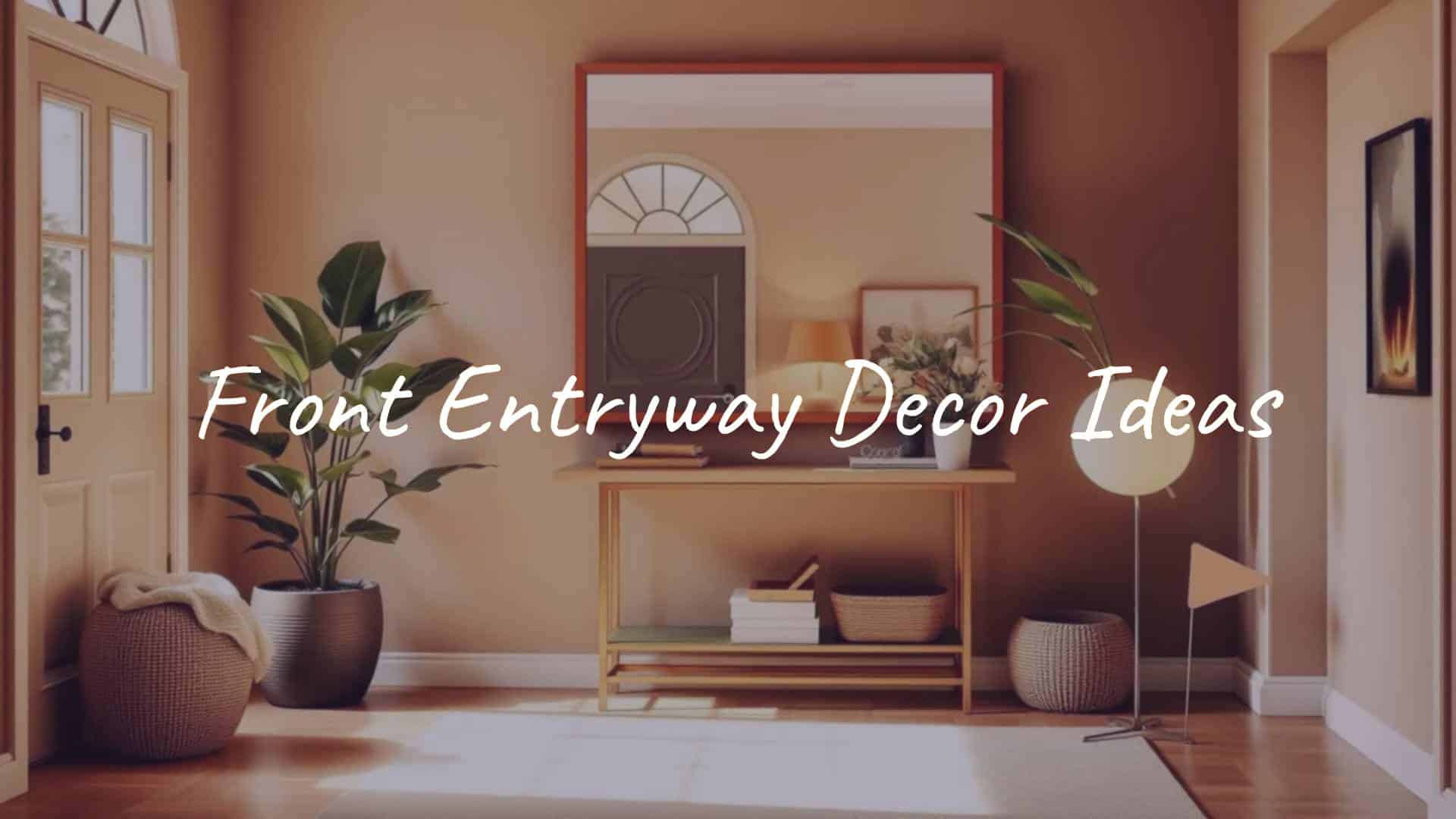
Good front entryway decor is about more than looks. It creates a warm welcome and sets the mood for the whole house. Your entry is the silent greeter, the first impression guests get, and often the last thing they see when they leave. Whether you have a large foyer, a tiny entry nook, or a mudroom, this area acts as the opening chapter to your home. With a little thought, you can turn this pass-through space into a useful, stylish, and inviting part of your living area that helps everyone feel comfortable and curious about what’s inside.
The charm of entryway decor comes from how flexible it is and how easily it can show your personality right at the front door. From the moment someone walks up, each detail-from the paint on the door to a single potted plant-helps tell a story. This article shares many front entryway decor ideas, covering color schemes, smart furniture choices, seasonal updates, and tips for tricky layouts, so your entryway can leave a strong and memorable impression.
What Defines Effective Front Entryway Decor?
Good front entryway decor balances style and everyday use. It should look nice and also work well for the people who move through it all the time. This means thinking carefully about lighting, furniture, storage, and decorations so they all work together and feel like one complete look. Your aim is to create an entry that matches the style of the rest of the home while still doing the daily jobs of coming and going.
Beyond the first visual impact, smart entryway decor also handles real-life needs. That includes places for shoes, coats, keys, and mail, all kept neat and easy to grab. The best entryways do this without losing their style, showing that hooks, baskets, and shelves can look good too. When you get this balance right, it lifts the feel of your whole home.
Why First Impressions Matter for Home Entryways
The saying “first impressions last” fits perfectly with your home’s entryway. This first view sets the mood for everything that follows, quietly showing your taste, how much you pay attention to details, and what kind of feeling your house has. A well-planned entry can make guests feel welcome right away and invite them further inside. A messy or dull entry, on the other hand, can create a negative impression-even if the rest of the house looks amazing.
Your front door and the area around it are more than just a way in; they are a chance to send a strong message. Here is where you can share your style from the very first step. You may choose bold decor full of personality or a simple, calm setup that feels peaceful and elegant. Every choice affects that first impression. You are creating a warm, friendly space that helps guests relax and sets them up to expect good things inside.
Key Elements to Consider in Entryway Styling
When you start styling your entryway, a few main elements deserve careful thought so the space feels both welcoming and unified. Function comes first. This is a busy spot, so furniture and decor need to support easy movement and daily routines. Choose pieces that fit the space, don’t block the door, and don’t create tripping hazards. Storage also matters a lot-hooks for bags and coats, a bowl for keys, a basket for mail-so clutter doesn’t pile up.
Looks still play a big part. Think about color, textures, and decorative pieces that set the mood you want. Good lighting is also key, both to light the way and to make the space feel cozy. Personal details such as artwork, plants, or seasonal pieces bring in warmth and make the entry clearly yours. When these parts all work together, you get an entryway that looks great and fits your daily life.

How to Choose a Cohesive Color Scheme for the Front Entryway
Picking a consistent color scheme for your front entryway helps create the feeling you want and makes the move into the rest of your home feel smooth. Color has a big effect on how visitors read the space as soon as they walk in. Look at the colors you already have in your home and decide if the entry should match them or stand out with a contrast. A smart color plan can make a small entry feel bigger or a large foyer feel more cozy.
Think about the mood you want. Do you picture a calm, peaceful welcome or a bright, energizing start? Your front door color is a strong first step and can guide the rest of your choices. From there, echo those tones on the walls, furniture, and accents to create layers of color that feel inviting and flow nicely.
Incorporating Bold vs. Neutral Tones
Choosing between bold and neutral tones in your entry depends on the message you want to send. Neutral shades like white, gray, and soft beige make a classic, flexible background. They help a space feel open and airy, which works especially well in small entryways. A white ceiling and trim, for example, can balance bright decor so the area doesn’t feel crowded even if you use stronger colors.
Bold colors, on the other hand, bring energy and strong personality. A colorful entryway can show off your style the moment someone steps inside. Imagine tropical wallpaper with deep green built-ins, or a fun bubblegum-pink light fixture adding a playful touch. Even a pink front door can set an eclectic mood. When you use bold hues, mix them with neutral elements in other parts of the entry so the look stays balanced instead of too intense. That contrast can be striking and memorable.
Using Patterns and Textures for Visual Impact
Beyond color, patterns and textures help add depth, warmth, and interest to your front entryway. They can turn a plain, flat space into one that feels rich and welcoming. A standout area rug can bring both color and pattern to the floor and show personality right away. For example, a blue geometric rug can make a big statement as soon as guests walk in. For such a busy spot, choose rugs that are tough and easy to clean, and use a non-slip pad for safety.
Wallpaper is another great way to add pattern and texture. If there’s no room for a bench or chair, a bold wallpaper can do the job of a big decor piece. Geometric patterns can make even a tiny entry feel special. Woven items, like baskets and textured planters, bring warmth and dimension, especially if your front exterior feels flat or too stark. Mixing sleek lines with classic materials like aged terra cotta and black planters creates a layered look that draws the eye.

Popular Front Entryway Decor Ideas
Whether it’s a large foyer or a simple front stoop, your entryway is a great place to show your home’s personality. This small zone can greet, interest, and even surprise visitors. Popular decor ideas tend to combine beauty with function so the space is pleasant to look at and supports daily life. These ideas cover both long-term features and the small seasonal pieces you swap out over time. Together, they help set a strong first impression.
There are many ways to decorate, no matter your home’s size or style. With some planning, you can turn your entry into a clear reflection of your home’s character and create a warm welcome for everyone who comes in. Below are some favorite ways to update this important in-between space.
Statement Door Hardware and House Numbers
The small details on your front door say a lot. Updating the door hardware with stylish, good-quality pieces-like sleek handles, modern kickplates, or a decorative knocker-can change how the whole entrance feels. These quick swaps give a polished, thought-out look that hints at the care you’ve put into the rest of the home. Think of them as jewelry for your front door.
House numbers also do more than show your address. They can act as decor. Choose a style that matches your home’s architecture and the mood of your entryway. For example, Mindy Gayer Design often uses black light fixtures and house numbers that feel both modern and friendly. On a small stoop with little room for decor, using vertical space with eye-catching numbers can make a big impact and turn a basic detail into a design feature.
Decorative Wreaths and Seasonal Accents
Decorative wreaths and seasonal accents are some of the easiest ways to keep your front entry feeling fresh and inviting all year long. One simple wreath can change the look of your front door and send a warm, “come on in” message. On a modern black-and-white home that might feel a bit cold, a simple eucalyptus or magnolia wreath can add instant charm. A neutral ribbon brings a little fun and depth without going over the top.
Beyond wreaths, seasonal decor lets you update the look regularly. In fall, you might use mercury glass, ceramic pumpkins, and natural wood for a cozy feel. At Christmas, fresh greens paired with metallics and white pieces can create a pretty holiday welcome. As the months change, your decor can too-spring flowers and soft colors leading into summer glass, brass, and woven items for a relaxed, breezy feel. These regular changes help your entry feel current and tied to the time of year.
Personalized Doormats and Welcome Signage
A personalized doormat and welcome sign are small touches that make a big difference in how your entry feels. A doormat does more than catch dirt; it’s a chance to say something about your home. A mat with a simple phrase, monogram, or graphic that fits your style adds personality while still doing its job.
A simple welcome sign adds another layer of warmth. Choose a clean, modern style that works with your front door and overall look of the house. Together, the mat and sign create a friendly tone that helps guests relax before they even knock.
Hanging and Potted Plants for Curb Appeal
Using hanging and potted plants is a great way to bring life and color to your front entry. Greenery around the door gives an instant boost and makes the space feel more alive and cheerful. Large planters with flowers or shrubs add charm and a soft, natural touch. Try using a pair of matching planters on either side of the door, like you often see in Joanna Gaines’ designs, to make the entrance feel more grand.
Hanging planters can add even more interest higher up and draw the eye to the doorway. For outdoor hanging pots, choose easy-care plants like succulents or air plants. Small potted trees, as seen in many Mindy Gayer Design projects, can add drama and even a bit of privacy near glass panels. Classic ferns can look either modern or traditional depending on the pot you use, showing that greenery can fit with almost any style and instantly make your exterior feel current.
Outdoor Rugs and Layered Flooring Options
Outdoor rugs and layered floor coverings help define your front entry’s style and function, especially outside. A long runner, for example, gives people space to wipe their feet, brings in color, and makes the area seem longer and bigger. Since this is a busy zone, pick rugs that are durable and simple to clean, and use a non-slip pad to keep everyone safe.
Layering rugs is a popular trick that adds warmth and interest. You might put a larger, simple rug down first and place a smaller patterned rug on top, like a bold black-and-white print. This creates a more dynamic look and clearly marks the entry “zone.” Inside, wood floors laid in a runner pattern can guide the eye through the space, and a strong area rug can bring in pattern and tie everything together.

Entryway Lighting Solutions
Good lighting around your entry is important for both looks and safety, especially in the evening. Well-placed lights near the door can highlight your decor and send out a warm glow that makes people feel welcome. Sconces, overhead fixtures, or lanterns beside the door help keep the area bright and safe at night.
Inside, lighting continues to matter. A standout light fixture-like a pendant or slim wall sconce-can become a focal point and gives enough light for the space. High ceilings offer a chance to show off big fixtures and draw the eye up. A colorful or playful light, like a pink fixture, can add personality right away. In a long entry hall, mix overhead lights, wall sconces, and maybe a floor lamp to create layers of light and a pleasant feel from one end to the other.
Front Entryway Wall Art and Mirrors
Wall art and mirrors in the front entry can dramatically change both how the space looks and how big it feels. A blank wall is a great spot for a small gallery of your favorite prints or paintings. Matching frames with landscape photos, especially under a staircase, can create a tidy, eye-catching display and give visitors a first glimpse of what you like.
Mirrors are especially helpful in entryways because they reflect light and make rooms feel larger. A big mirror leaning against the wall adds style and brightens the space. Full-length mirrors are useful for quick outfit checks on the way out. Whether you pick a simple frame or a bold, curved design, a well-placed mirror can add both charm and everyday function.
Choosing Furniture and Accessories for Entryway Functionality
The entryway has to handle a lot of activity, so the furniture and accessories you choose matter a lot. These pieces shouldn’t just look pretty; they should help you deal with daily life. Think of this space as a small work zone for staying organized while still looking inviting.
Seating helps with putting on shoes, while storage keeps piles of belongings under control. Every item-from a bench to a bowl for keys-affects both how smoothly your routines run and how calm the space feels when you walk in the door.
Entryway Benches, Settees, and Built-In Seating
Benches, settees, and built-in seating are very helpful in an entryway because they add comfort and serve everyday needs. A bench gives you a place to sit while tying shoes and can act as a landing spot for bags and jackets. A tufted bench can also ground an art display and make the whole wall feel more finished. In tight spaces, small upholstered stools that slide under a console table provide seating without taking up much room.
Built-in seating often includes storage below, such as cabinets, drawers, or cubbies. These hidden spots are great for keeping shoes, hats, and bags out of sight. A wide foyer might even allow for a window seat with natural light, which can double as a reading spot. Even in small entries, a compact bench can make the most of the space by giving both seating and storage. Always choose seating that doesn’t block doors or walkways so the area stays safe and easy to use.
Small Tables, Consoles, and Floating Consoles
Small tables, console tables, and floating consoles are key pieces that add surfaces for your daily grab-and-go items without crowding the entry. A console table-whether wrapped in grasscloth or sleek and simple-can act as the anchor of the space, holding keys, mail, a lamp, or a vase. In a narrow entry, a slim console with airy legs can hold the basics while keeping the area light. A tray on top neatly gathers wallets, sunglasses, and other small items.
When floor space is tight, a floating console is a smart answer. It mounts to the wall, so the floor stays clear and the room feels bigger. Wall-hung cabinets at mid-height can look very custom, with drawers for storage and a flat top for decor. You can even reuse an old dresser or a buffet cabinet as an entry table, gaining extra storage and a solid surface for baskets, lamps, and art.
Entryway Storage: Cubbies, Wall Hooks, and Shelving
Good storage in the entryway is key to keeping your home tidy, especially for busy families. Cubbies, wall hooks, and shelves form the main structure of this storage. Built-in cubbies often include hooks, baskets, upper cabinets, and pull-out drawers, giving each coat, backpack, and pair of shoes its own place.
If you don’t have built-ins, wall-mounted tools work very well. A row of hooks holds coats, bags, and hats where you can grab them easily. Floating shelves offer extra room for decor, bins, and smaller items. Hanging organizers with separate cubbies for each person in the family make mornings smoother. Even a regular bookcase can become an entry organizer if you fill it with bins and baskets. Labels help everyone remember where things go, which keeps clutter from building up.

Entryway Decor for Unique Layouts and Spaces
Every entryway is different. Some are large and airy, while others are narrow, boxy, or oddly shaped. These quirks can feel tricky at first, but they also give you a chance to get creative. With some planning, you can turn even the most awkward entry into a useful, attractive space that fits your home.
Whether you’re working with a tight square, a long hallway, or a strange corner, you can make it work. The key is to use smart storage, visual tricks, and furniture that fits the scale of the area so the entry feels practical and personal at the same time.
Decorating Narrow Entryways
Narrow entryways call for thoughtful choices so the area feels open instead of cramped. The aim is to keep it stylish and useful by staying organized and avoiding visual clutter. A clean look with straight lines and fewer, simpler pieces helps the space feel bigger. Choose slim benches or shallow console tables that don’t stick out too far into the walkway.
Make the most of your wall height. Add floating shelves, hooks, or a vertical organizer to get things off the floor. Light, soft colors on the walls open up the space, and mirrors bounce light around, making it seem wider. In a narrow hall with a staircase, a skinny runner rug can guide the eye forward, and artwork hung above a half-moon (demilune) table can bring interest without using up floor space.
Maximizing Small Entryways
Making a small entry work well is all about smart choices and keeping things simple. Don’t crowd the area with too many pieces. Focus on a few items that do more than one job, such as a narrow console table that can hold keys and mail. A slim table with iron legs and a tray on top can provide structure and keep essentials organized without feeling heavy.
Use the wall space to your advantage. Hooks, peg rails, and small shelves free up the floor. A mirror reflects light and makes the area feel bigger, especially when placed across from a window or light source. Pale wall colors also help the space feel more open. Good lighting-whether a flush-mount ceiling light, sconce, or pendant-brightens the entry and gives it a welcoming feel. Storing a tote or backpack beneath a console keeps things handy but doesn’t add visual clutter.
Design Solutions for Long or Awkward Entryways
Long or awkward entryways can be difficult to decorate, but they also give you room to create interesting zones. Try breaking the length into smaller sections, each with a purpose-like one area for seating, another for storage, and another for display. Use rugs or runners in each zone, keeping colors related so the whole space still feels connected.
Mix different types of lighting along the length-overhead lights, wall sconces, maybe a floor lamp-to add variety and softness. A console table or bench along a long wall can act as a strong anchor, especially if it has clean lines that don’t overwhelm the space. A gallery wall of art along one side draws the eye forward and makes walking through more fun. For odd corners or recessed nooks, a velvet bench or small table can fill the gap and turn wasted space into a useful perch or display area.
Incorporating Seasonal and Personal Touches in Front Entryways
Your entryway is the first area you and your guests see, making it a perfect place to show the seasons and your personal story. Seasonal decor and personal details give this spot life and help it feel warm and real. Over time, these touches create an ongoing story, so the entry never feels static or boring.
From autumn colors to winter sparkle, and from favorite art to meaningful objects, these additions turn what could be a simple pass-through into a heartfelt welcome. They help each arrival and departure feel a bit more special.
Seasonal Entryway Themes: Fall, Spring, Summer, Winter
Rotating your entry decor with the seasons is a fun way to keep it feeling new. Each time of year offers its own colors and materials. In fall, focus on cozy layers: mercury glass, ceramic pumpkins, and wood pieces grouped together can create a pretty display. Around the holidays, Christmas decor might include fresh greenery, metallic accents, and white ornaments or tiny trees, whether you prefer rustic charm or a more maximal, full look.
After the big holiday displays, winter can shift to a calmer look. A few larger pieces-a big ginger jar, gold candle holders, and a stack of books-can feel quiet and peaceful. Spring invites brightness, with faux blossoms, blue-and-white ceramics, and coral pieces adding color. Summer decor might lean coastal, with glass, brass, woven textures, and shells. Changing these themes keeps your entryway in step with the calendar and gives visitors something new to enjoy throughout the year.

Displaying Art, Florals, and Personal Collections
The entry is a perfect place to show art, flowers, and collections that mean something to you. A blank wall can become a small home gallery, whether with matching frames for a neat look or a mix of frames for something more eclectic. You can even shift pieces around with the seasons or holidays to keep the view fresh.
Fresh plants and flowers instantly brighten the space and create a calm feeling. A vase of flowers on a marble-topped table or a few plants by the door make a stylish first impression. Faux florals are helpful if you want low-maintenance color that lasts. Personal collections-like a group of blue-and-white jars or sea-inspired objects-add depth and suggest a story behind the decor. Stacks of books can act as risers or bring in color, helping highlight favorite objects.
Adding Texture with Textiles and Natural Materials
Adding texture with fabrics and natural materials helps make your front entryway feel warm and interesting. These touches keep the space from looking flat and add a sense of comfort. Woven pieces, such as baskets, planters, and rugs, bring in natural warmth and are especially helpful if your exterior feels plain. Woven rattan chairs or stools, for instance, can support a nature-inspired look.
Textiles like a faux fur bench cushion add softness and a bit of luxury. In an all-neutral entry, varied textures are especially helpful so the space doesn’t seem dull. Play with different basket weaves, wood finishes, and a hint of metal. Metal finishes act like neutrals and always bring a bit of polish. Layering these textures makes the entry pleasing both to the eye and to the touch.
Inspiration and Tips for a Memorable Front Entryway
Creating a memorable entryway is about more than dropping a table and a rug by the door. It means combining style, everyday function, and your own personality in a thoughtful way. This space should welcome people, express who you are, and leave a good impression.
From mixing styles in new ways to making small updates that have a big effect, and making sure your home looks inviting at night, the ideas below can help you shape an entry that feels special and fits your life.
Mixing Classic and Eclectic Styles
Blending classic and eclectic pieces is a smart way to create an entry that feels both timeless and personal. It lets you move away from strict “rules” and combine elegance with playful touches. For example, you could pair a bright orange console table with an antelope print rug and modern artwork, then add traditional Chinoiserie ginger jars. This mix of new and old, bold and traditional, makes the space feel layered and full of character.
You can also set an eclectic tone with a colorful front door-like pink-then add a patterned rug, faux fur bench, and narrow console loaded with plants. Finish it off with a modern gold light and vintage-style wall art. Mixing clean-lined pieces with earthy items like aged terra cotta gives your entry a rich, collected look that tells a story.
Simple Updates with Major Impact
Some of the best changes in an entryway come from small, easy updates. A fresh coat of paint on an old table or cabinet can make it feel completely new and give your space a custom look without a big budget.
Swapping out a mirror can also change the mood. A brass faux bamboo mirror-even one found secondhand-can become a favorite focal point that bounces light and adds charm. A single large accessory, like an oversized ginger jar, can act as a strong anchor for a whole vignette. Using wrapped gifts as seasonal decor is another low-cost way to bring in color and pattern during holidays. These quick changes show that you don’t need a full renovation to create an entry that feels special; small tweaks can go a long way.
Lighting and Accessories for Evening Curb Appeal
How your home looks at night matters just as much as during the day. Good lighting and a few well-chosen accessories can create a warm glow that feels inviting after dark. Outdoor wall lights, lanterns, or path lights can highlight your front door and steps while also making the area safer.
Inside the entry, table lamps and statement fixtures keep the welcome going. A small bamboo table with a metal-shade lamp in a wide foyer can light up the space softly once the sun goes down. In longer entryways, a mix of overhead lights, sconces, and floor lamps keeps things bright and comfortable, so your home feels just as welcoming at night as it does in daylight.











![What to with Scrap Metal? [infographic]?](https://facts-homes.com/wp-content/uploads/2019/07/645413-POPYOV-391-120x86.jpg)