

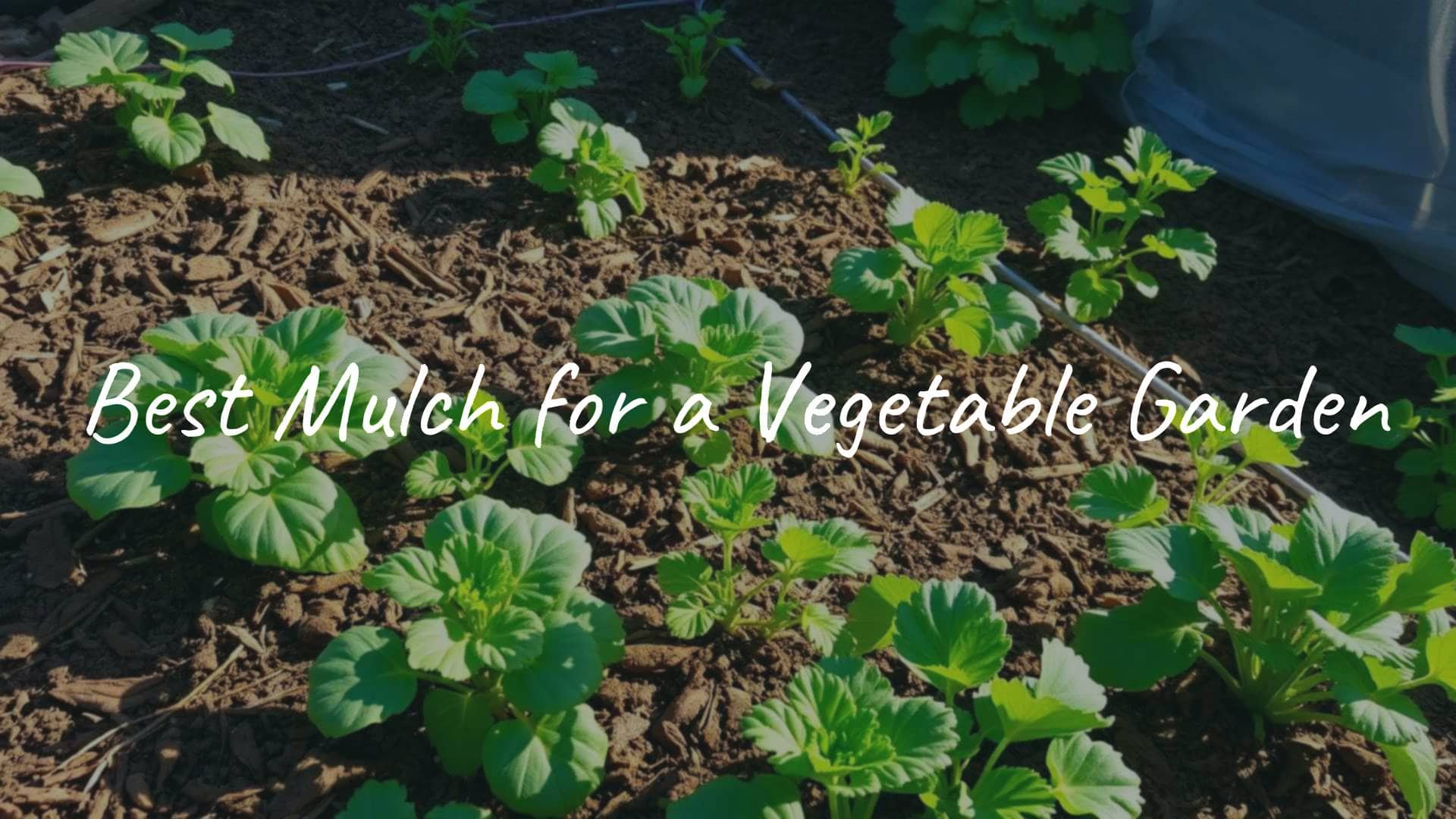
Choosing the best mulch for your vegetable garden affects much more than how your beds look. It directly affects plant health, yields, and how much work you do through the season. There is no single “best” mulch for everyone. The right choice depends on your goals, your climate, and the vegetables you grow. In general, any natural mulch is better than bare soil, bringing benefits like fewer weeds and richer soil over time. This guide looks at different mulch types, both organic and inorganic, their pros and cons, and how to pick and use them for a productive vegetable garden.
Knowing what mulch does in your garden helps you pick wisely. Whether you want bigger harvests, less watering, or better soil, the right mulch can make a big difference. We’ll look at how different materials behave in different conditions so your time and effort in the garden pay off. Let’s get started and see how to cover your soil in a way that really helps your plants.
What Is Mulch and How Does It Benefit a Vegetable Garden?
Mulch is any material, natural or man-made, spread on top of the soil around plants. It acts like a blanket, protecting the soil from sun, wind, and rain, and creating better growing conditions for vegetables. Mulch does far more than simply hide bare dirt; used well, it supports a healthier soil life and stronger plants, and usually cuts down on work for the gardener.
Many gardeners, myself included, see mulching as a must-do step, especially in raised beds. It is simple but powerful. Once you get the hang of it, mulch can sharply reduce weeding and watering while improving plant growth. Think of it as a cozy, nourishing cover that supports all the life in and on top of the soil.

Improves Soil Moisture Retention
One of the fastest benefits you notice from mulching is better water management. A mulch layer slows evaporation from the soil surface, so the soil stays moist longer. Your plants get a more steady water supply and you don’t have to water as often. This is especially helpful in hot, dry weather.
By keeping moisture more even, mulch can also help avoid problems linked to drought stress, like blossom-end rot in tomatoes. Natural mulches let rain soak in slowly, reduce runoff during heavy storms, and help that water reach the root zone instead of washing away.
Regulates Soil Temperature
Mulch helps keep soil temperatures more steady. It shields roots from hot summer sun and gives some insulation against winter cold. In spring, some mulches, especially dark plastic, can warm the soil sooner. This can bring earlier plant growth and earlier harvests, a big help if you want a head start.
In midsummer, natural mulches act like a shade cloth for the soil, keeping it cooler and reducing sudden temperature swings that stress plants. This temperature buffering creates a more stable root zone, which is important for steady growth all season.
Prevents Weed Growth
Weed control is one of the biggest reasons gardeners use mulch. A good mulch layer blocks much of the light that weed seeds need to sprout. Fewer weeds means less competition for water and nutrients, and fewer places for pests and diseases to hide.
With mulch, you spend far less time pulling weeds and more time doing the fun parts of gardening. Even a 2-3 inch layer of natural mulch can sharply cut weed growth and give your vegetables room to grow without heavy competition.
Improves Soil Fertility and Structure
Organic mulches bring an extra bonus: as they break down, they feed the soil. They add nutrients and humus, making the soil richer and easier to work. Good soil has a crumbly structure with plenty of pores for air and water, which roots and soil life both need.
As organic mulches rot, they support helpful microbes and soil animals like earthworms. Over time, steady use of natural mulches can turn poor, tired soil into a dark, fertile, living soil that supports strong, healthy plants.
Reduces Soil Erosion
Bare soil washes and crusts easily. Heavy rain can move topsoil and nutrients away, leaving you with poorer ground and sealed crusts on the surface. Mulch shields the soil from raindrop impact, so particles are less likely to wash off. It also limits soil splashing on leaves, which can slow the spread of soil-borne diseases and keeps fruits cleaner after storms.
Keeping the soil covered protects your garden’s base layer, so it stays productive for years to come. It’s a simple step with big payoffs for both your garden and the surrounding environment.
What Are the Main Types of Mulch for Vegetable Gardens?
For vegetable gardens, mulch choices fall into two main groups: organic and inorganic (synthetic) materials. Each group has its own features, strengths, and drawbacks. Your best choice depends on what your garden needs and on your personal priorities.
Knowing the basic differences makes it easier to pick the right match. I tend to favor natural, organic mulches because of how they improve soil over time, but there are times when inorganic mulches make sense, too.
Organic Mulches
Organic mulches come from once-living materials and will eventually decompose. Examples include straw, shredded leaves, compost, grass clippings, and wood chips. Their biggest advantage is that they feed and improve the soil as they break down, adding organic matter and nutrients and supporting active soil life.
Because they do rot, they need topping up from time to time. They also keep soil cooler, which is great in summer but means you should wait until spring soil has warmed before adding thick layers.
Inorganic and Synthetic Mulches
Inorganic and synthetic mulches are made from non-living or man-made materials. Common ones include black plastic, landscape fabric, perforated plastic, and foil. They do not rot, so they don’t add anything to the soil itself. Their main roles are to block weeds, hold moisture, and often to warm the soil.
They can be very useful in special cases, such as for heat-loving crops or where weeds are a major problem. But they do not build soil fertility and usually must be taken up and thrown away later. The plastic-based options also raise environmental concerns for many gardeners.
Organic Mulches: Options and Benefits
Organic mulches are the first choice for many vegetable gardeners. They don’t just cover the soil; they steadily improve it. They protect and feed at the same time and fit well with low-waste, nature-friendly gardening. Here are some of the best organic mulches for vegetable beds and what they offer.
From light straw to rich compost, each mulch has its own strengths. Knowing these helps you match the right material to your crops and season.

Straw Mulch
Straw is a classic mulch for vegetables. It is made from the hollow stalks of grain crops like wheat, barley, or oats after the grain is removed, so there are few seeds left. This makes straw a better choice than hay, which often brings in many weed seeds.
Straw is light, covers a lot of area, and is easy to spread. Its fluffy texture lets air and water move freely and resists matting, which is helpful around young plants and seedlings. A starting layer of 6-8 inches settles down to a few inches and gives strong weed control and good moisture holding. At the end of the season, you can leave it to break down in place or add it to your compost.
Compost
Compost is often called “black gold” for gardens, and it also works well as mulch. It is rich in nitrogen and other nutrients, so it feeds the soil while covering it. As it breaks down, it attracts microbes and worms, improving texture and helping the soil hold water without becoming soggy.
Spread compost 2-4 inches thick as a top dressing. It enriches the soil but breaks down fairly fast, so it is not the best stand-alone weed barrier. For stronger weed control, you can put straw or another slow-breaking mulch on top. If you buy compost, choose types that have been hot-composted to kill weed seeds. Also note that compost can raise soil pH, so it isn’t ideal for plants that like very acidic soil, like blueberries.
Shredded Leaf Mulch
Shredded leaves are my top choice and the mulch I use most. They are usually free every fall and easy to collect. As they decay, they greatly improve the soil, adding organic matter and nutrients.
You can shred them with a mulching mower or a leaf shredder. Shredding reduces bulk and makes them easier to spread. A 3-4 inch layer of shredded leaves gives good weed control through the season. Whole leaves can mat into sheets and block water and air, so shredding is important. Avoid walnut leaves, which contain a compound that harms many vegetables. If you have deciduous trees, this is a nearly perfect, low-cost mulch source.
Grass Clippings
Grass clippings are an easy and free mulch if they come from a lawn not treated with herbicides. They are rich in nitrogen and rot quickly, feeding the soil.
Let clippings dry a bit before using them. Wet clumps can mat, smell bad, and create low-oxygen conditions that can hurt plants. Spread them in thin layers, about 1-2 inches, to avoid this. Because they decompose fast, you may need to reapply several times during the season. If your lawn has a lot of weeds, some of those seeds may end up in your vegetable beds with the clippings.
Wood Chips and Bark Mulch
Wood chips and bark are great for paths, ornamentals, trees, and shrubs because they last a long time and block weeds well. In vegetable gardens, I mainly use free arborist wood chips from tree services. These usually don’t contain dyes or treated wood, unlike some bagged products.
Wood chips are heavy and high in carbon. When left on top of the soil, they don’t take nitrogen from plant roots. But if mixed into the soil, they can tie up nitrogen for a while, leaving less for crops. Their weight can also make it hard for small seeds to sprout. Aged chips (6-12 months old) are better for beds. In vegetable plots, use them around strong transplants and perennials, not over areas where you plan to sow seeds. They break down slowly, improving soil structure over time.
Paper and Cardboard
Plain newspaper and cardboard can be useful as weed-blocking layers, especially for starting new beds. Two to six sheets of newspaper can block light and stop weeds from sprouting; cardboard is thicker and even better for smothering sod or tough weeds.
Always wet paper or cardboard well after laying it down so it stays put and starts to soften. Cover it with another mulch like straw or leaves to hold it in place and make beds look nicer. Remove tape and staples from boxes, and skip glossy or brightly colored pages that may contain inks you don’t want in your soil. These materials are often free and break down by the end of the season or soon after.
Salt Hay
Salt hay comes from coastal marsh grasses and is a favorite mulch for many gardeners. Because it grows in salty areas, most common weeds do not grow in it, so it usually comes seed-free. This greatly lowers the chance of adding weeds to your beds, which is a concern with many other hays.
One bale of salt hay can cover about a 10’x10′ area with roughly three inches of mulch. It is lightweight, easy to spread, and breaks down slowly, giving long-lasting weed control and moisture savings. It adds organic matter as it rots but does not have the nitrogen binding issues of woody mulches. Its open structure lets air move, which helps limit fungal problems.
Best Crops for Each Organic Mulch Type
- Straw:
- Good for most annual vegetables, especially around transplants. Works very well for potatoes, tomatoes, squash, and strawberries. Its light weight makes it useful over newly sown areas where some cover is wanted without blocking sprouts.
- Compost:
- Helpful for all vegetables as a soil booster. Especially good for heavy feeders like corn, tomatoes, and leafy greens. Use as a top dressing around any plant to add nutrients.
- Shredded Leaf Mulch:
- Useful for almost all vegetables. Especially nice for cool-weather crops like broccoli, lettuce, and spinach because it keeps soil cooler. Also great for root crops such as carrots and radishes.
- Grass Clippings:
- Best for nitrogen-hungry plants such as corn, cabbage-family crops, and leafy greens. Apply in thin, dried layers around established plants.
- Wood Chips and Bark Mulch:
- Suited to perennial vegetables like asparagus and rhubarb, and around fruit trees and berry bushes where you don’t disturb the soil often. Less useful in annual beds that you rework each year.
- Paper and Cardboard:
- Use mainly as a weed barrier under other mulches. Handy for starting new beds for any vegetable or for covering garden paths.
- Salt Hay:
- Good for almost all annual vegetables, especially where weeds are a major concern. Since it’s usually weed-free, it’s a safe mulch for any crop.

Inorganic and Synthetic Mulch Choices for Vegetable Gardens
Organic mulches build soil, but inorganic and synthetic mulches bring other benefits, especially for soil warming and heavy weed control. They do not break down, so they don’t add organic matter, but they can be very effective in certain garden plans-especially for warm-weather crops or in beds with stubborn weeds.
It makes sense to compare their benefits with their long-term waste and removal issues. Below are some common inorganic and synthetic mulches used in vegetable gardens.
Black Plastic
Black plastic mulch is a common choice for commercial growers and many home gardeners. Its dark color absorbs sun and holds heat, raising soil temperature underneath. This can speed up growth and give earlier harvests for warmth-loving plants like tomatoes, peppers, melons, and squash.
It also blocks light completely, so weeds can’t grow, and it reduces water loss by evaporation. On the downside, it does not let rain pass through, so you usually need drip lines or soaker hoses under the plastic. It must be pulled up at the end of the season, adding to plastic waste. Clear plastic warms soil even more but allows weeds to grow, so black is usually better for home beds.
Landscape Fabric
Landscape fabric (geotextile) is a woven or spun plastic sheet that lets some air and water through, at least when new. It is mainly used as a strong weed barrier. Unlike solid plastic, it allows some exchange between soil and air, which is better for soil life.
Over time, fine particles can clog it, and weeds may begin to grow on top or even through it. It sees more use in shrub and flower beds, but can also work in vegetable gardens as a temporary cover or for paths. It lasts several years if handled with care. In beds, you cut holes for plants and secure the fabric with staples, rocks, or stakes to keep it from blowing loose. Drip irrigation underneath is helpful because water tends to run off the surface at first.
Perforated and Porous Plastic
Perforated and porous plastic mulches blend traits of solid plastics and fabrics. Like black plastic, they warm the soil and block weeds, but they are punched or made with tiny holes so water can pass through. This cuts down on runoff and can make watering easier.
You install them much like black plastic: lay them on moist soil, bury the edges, and cut openings for transplants. Their main drawback is price; they usually cost more than standard black plastic, which makes them less common in small home gardens even though they work well.
Photodegradable Mulch
Photodegradable mulch is plastic film made to weaken and break into smaller pieces over time in sunlight. The idea is that after the season, you only need to remove the edge sections that were buried and shielded from light; the rest breaks apart on its own.
It behaves much like black plastic in terms of soil warming and weed blocking. Access can be limited, and it often comes in long rolls more suited to large plots than small gardens. There are also ongoing concerns about tiny plastic bits left in the soil once it breaks up.
Foil
Foil mulches, such as aluminum-coated paper or plastic, are used for a narrow set of problems rather than as general mulches. Their shiny surface reflects light upward, which helps confuse and repel certain insects. They are known to reduce attacks from virus-carrying aphids on crops like late-planted summer squash, which can lower the risk of mosaic virus.
These mulches are more costly, harder to find, and difficult to remove completely. Pieces of foil can linger in the soil. For these reasons, gardeners usually use them only where insect-vectored viruses are a serious issue, not across the whole garden.
When to Consider Synthetic Mulches
Synthetic mulches are tools best used in certain situations. They may be a good choice if you are:
- Growing heat-loving plants: Black or perforated plastic can raise soil temperature for crops like tomatoes, peppers, melons, squash, and eggplants, speeding growth and harvest.
- Facing heavy weed problems: Where weeds overwhelm organic mulches, solid barriers like black plastic or strong landscape fabric can give better weed control.
- Gardening in very dry regions: Plastic mulches are excellent at cutting moisture loss from the soil, which matters a lot where water is scarce.
- Needing pest help: Foil mulches can help with certain insect-spread diseases in specific crops.
- Creating temporary paths or covers: Landscape fabric can be handy for paths or for covering areas you plan to plant later, since it can be reused for several years.
Keep in mind that synthetic mulches do not build soil. They also require planning for watering and for removal or disposal at the end of use.

Comparing Mulch Types: Pros and Cons
Choosing mulch means weighing its pluses and minuses for your particular garden. There is no single best option for every situation. Many gardeners get the best results by using more than one type in different areas. Factors such as durability, waste, cost, and how easy materials are to find all play a role.
Understanding how each mulch type helps or hinders certain crops helps you choose wisely.
Which Mulch Works Best for Different Vegetables?
Different vegetables have different needs, and the best mulch can vary by crop group:
- Heat-loving crops (Tomatoes, Peppers, Melons, Squash, Eggplant): These crops like warm soil. Black plastic or perforated plastic raise soil temperatures and can bring earlier, bigger harvests. Red plastic film is also used for tomatoes and peppers for similar reasons.
- Cool-season crops (Lettuce, Spinach, Broccoli, Cabbage): These prefer cooler soil. Organic mulches such as straw, shredded leaves, or a thin layer of dried grass are good because they shade and cool the soil.
- Root vegetables (Carrots, Radishes, Beets): Use soft, easily broken-down mulches like shredded leaves or finely chopped straw. These allow roots to grow and make harvest easier.
- Perennial vegetables (Asparagus, Rhubarb): Long-lasting organic mulches like wood chips or pine needles are a good fit. They provide long-term weed control and steady soil improvement.
- Berries and Fruit Trees: Wood chips, pine needles (for acid lovers like blueberries), and compost work very well, giving both nutrients and weed control for these long-lived plantings.
Heavier mulches like wood chips can block tiny seeds from sprouting, so reserve them for established plants rather than fresh seedbeds.
Organic vs. Synthetic Mulches: Durability and Environmental Impact
Choosing between organic and synthetic mulches often comes down to how long you want them to last and how you feel about plastic use:
- Durability: Synthetic mulches like films and fabrics last much longer than organic ones because they don’t rot. Some last a single season, others several years. Organic mulches steadily decay and usually need refreshing each year, and sometimes more often (like grass clippings and compost).
- Environmental Impact: Organic mulches shine here. As they break down, they improve soil structure, fertility, and life, and they often use materials that might otherwise go to waste, like leaves. Plastic mulches, in contrast, add nothing to the soil and must be removed and discarded. Even “degradable” plastics can leave tiny particles in the soil, which is an increasing concern.
For gardeners who place soil health and low waste first, organic mulches are usually the main choice. Synthetic mulches work best as targeted tools for special needs, not as a blanket solution.
Cost and Accessibility
Price and availability are practical points that can strongly shape your choice:
- Organic Mulches: Many are cheap or free. Shredded leaves and grass clippings often cost nothing. Straw bought in bales is usually fairly affordable. Home-made compost is free aside from your time, though bulk purchases can cost more. Arborist wood chips are often free, though you may need to handle a large delivery.
- Synthetic Mulches: Black plastic film is typically cheap and easy to find. Landscape fabric costs more, especially heavy-duty grades. Perforated films and colored plastics like red film are usually the most expensive per square foot, though some can be reused.
Where you live matters. Rural gardeners may easily find straw and free wood chips, while urban gardeners may rely more on bagged mulch and compost. Look at what you can get locally at a reasonable cost before deciding.
Best Practices and Recommendations for Choosing Mulch
Picking mulch is not just about the material itself. It also involves your climate, soil type, gardening style, and plant needs. A few broad guidelines can help you get good results with whatever you choose.
From climate-based choices to where to find safe materials, these tips will help your mulch work for you, not against you.
Selecting the Right Mulch for Your Climate and Soil
Climate and soil type should guide your choice of mulch:
- Warm Climates/Heat-Loving Plants: In hot areas or for warmth-loving crops, black plastic can boost early growth. But in very hot regions, thick organic mulches like straw or light wood chips may be better to keep soil from overheating.
- Cool Climates/Cool-Season Plants: In cooler regions, organic mulches that buffer temperature swings, like shredded leaves, straw, and compost, help soil stay more even and prevent it from heating too quickly for cool-season crops.
- Heavy Clay Soil: Organic mulches are great for clay. As they rot, they loosen the soil, improve drainage, and add air pockets.
- Sandy Soil: On sandy ground that drains too fast, organic mulches help soil hold water better. Compost and shredded leaves are especially helpful here.
- Weedy Beds: Where weeds are tough and persistent, use thicker mulches (6-8 inches of straw, 3-4 inches of shredded leaves) or add newspaper/cardboard beneath. Plastic mulches also offer very strong weed blocking.
Watch how your garden responds and adjust over time. Some trial and error is normal and useful.
Mulching Strategies for Organic or Sustainable Gardens
If you focus on organic or eco-friendly methods, your mulch choices can support that approach:
- Favor Organic Materials: Use mostly or only natural mulches that break down and feed the soil. This fits with the soil health idea of keeping soil covered with materials that support life.
- Use On-Site Resources: Leaves from your trees, untreated grass clippings, and home-made compost turn your yard’s waste into valuable mulch and reduce outside inputs.
- Make Heavy Use of Compost: Compost is both a soil amendment and a mulch. It adds nutrients and attracts beneficial soil organisms.
- Layering Methods: Try sheet mulching or “lasagna gardening,” where you layer cardboard with compost, leaves, and straw. This builds new beds and suppresses weeds while improving soil beneath.
- Avoid Contaminated Materials: Be very careful with hay and manure, as they may contain long-lasting herbicides that can damage vegetables. Always ask how they were grown or treated.
- Try Living Mulches: Dense plantings and cover crops sown between rows can serve as “green mulch,” reducing weeds and erosion and adding organic matter when cut down.
The aim is to mimic nature, where bare soil is rare and organic matter is always being added and broken down.
Resources for Finding Quality Mulch
Finding good mulch is often easier than it seems:
- Tree Services (Arborist Chips): Local tree companies often look for places to dump wood chips at no cost. Sites like getchipdrop.com can connect you with them, though you may get a large load.
- City or County Yard-Waste Sites: Many towns offer free or low-cost wood chips or shredded leaves to residents.
- Farm Co-ops and Feed Stores: Good spots for straw and sometimes salt hay. Always ask for straw (stalks) rather than hay (whole plants with seeds).
- Garden Centers: They carry bagged mulches like compost, pine bark, and hardwood chips. Ask about sources and any dyes or treatments.
- Your Own Property: Leaves and grass from your own yard can provide a large share of your mulch needs, especially with a mulching mower or leaf shredder.
- Compost Facilities: Many regions have commercial composting sites that sell bulk, screened compost, often with fewer weed seeds.
Always ask about herbicides, dyes, or other treatments before bringing new mulch into a vegetable garden.
How to Apply Mulch in a Vegetable Garden
Spreading mulch is not just a matter of dumping it on beds. How and when you apply it affects how well it works. Good timing, proper thickness, and careful placement help mulch control weeds, hold water, and protect plants without causing rot or pest problems.
Think of mulch as the finishing touch that sets your garden up for a season of stronger growth and less routine work. Here’s how to apply it effectively.
When to Mulch: Timing and Growth Stages
Timing matters a lot. If you mulch too soon or too late, you may lose some of the benefits or create issues:
- Mid-Spring to Early Summer: This is usually the best time to add most organic mulches. Wait until the soil has warmed. Early mulching can slow soil warming and delay growth, especially for warm-weather vegetables. Aim to mulch before hot weather hits and when weed seedlings are just starting.
- After Setting Out Transplants: Mulch after you have planted your starter plants. Heavy mulch over tiny seeds can keep them from getting through the surface.
- For Soil Warming: For crops like melons or peppers, you can lay black plastic 1-3 weeks before planting to heat the soil.
- Fall Mulching: Adding a fresh layer in fall is helpful for insulating perennials through winter and preparing beds for next spring.
As a general guideline, it’s safer to mulch a bit later than too early. Always remove weeds and water well before mulching.
How Thick Should Mulch Be Applied?
Depth is key. Too thin and weeds slip through and water evaporates quickly; too thick and soil can stay too wet or air-starved.
- Organic Mulches (Straw, Shredded Leaves, Grass): Aim for 2-4 inches. For straw, you can start with 6-8 inches since it compresses. Shredded leaves do well at 3-4 inches. Compost, being dense, usually works best at 2-4 inches.
- Wood Chips and Bark: Often applied 2-3 inches deep, especially on paths or around mature perennials.
- Paper and Cardboard: Use 2-6 sheets of newspaper or 1-2 layers of cardboard, covered with another organic mulch.
- Synthetic Mulches: Plastic film is thin (often 1-2 mil) and works by fully covering the ground rather than by thickness.
Spread mulch evenly and avoid piling it against plant stems.
Preparing the Garden: Weeding and Watering Before Mulching
Good prep makes mulch far more effective:
- Remove Weeds: Pull or hoe out existing weeds first. Mulch prevents new weeds; it does not reliably kill large established ones.
- Water Thoroughly: Water the bed well before you apply mulch. Since mulch slows evaporation, you want the soil underneath to start moist. If you mulch very dry soil, it may stay dry for a while.
- Add Soil Amendments if Needed: If your soil needs compost or other nutrients, mix those in before mulching so they are in the root zone. Mulch will then help keep those improvements in place.
These steps help your mulch do the best possible job.
Tips for Mulching around Different Plant Types
While the basic ideas are the same, different plants benefit from slightly different mulching approaches:
- Seedlings and Very Young Plants: Use light, fine mulches like chopped straw. Keep mulch thin and loose so it doesn’t crush or shade tiny plants.
- Established Transplants: Once plants have some height, you can add a full mulch layer around them at the recommended depth.
- Large Seeds (Beans, Corn, Sunflowers): If you direct sow, you can either let them sprout first and then mulch, or lightly cover the soil to hide seeds from birds. Avoid heavy mulching until seedlings are visible.
- Perennial Vegetables (Asparagus, etc.): These benefit from longer-lasting mulches like wood chips or pine needles that don’t need to be disturbed each year.
- Acid-Loving Crops (Blueberries): Pine needles or pine shavings are a good choice because they help keep the soil slightly acidic.
Watch your plants and adjust if you see issues like too much moisture, slugs, or slow growth.
Avoiding Common Mulching Mistakes
Even experienced gardeners can run into mulch problems. Here’s how to avoid frequent errors:
- No “Mulch Volcanoes”: Don’t mound mulch against stems or trunks. This traps moisture and invites rot and pests. Leave about a 2-inch gap around stems. Blueberries are a rare exception; they like thick pine mulch right up to their stems.
- Don’t Mulch Too Soon in Spring: Wait until soil has warmed for the season, especially for warm-weather vegetables.
- Don’t Cover Active Weeds: Mulch over live, perennial weeds often just hides them; they can grow through. Remove them first.
- Use Enough Mulch: Very thin layers don’t stop weeds or hold water well. Stay within recommended depths.
- Don’t Confuse Straw with Hay: Hay usually contains many seeds that will sprout. Always confirm you’re buying straw.
- Avoid Treated Grass and Manure: Herbicides used on lawns or in hay can pass through clippings and manure and damage vegetables. Only use clippings or manures with a clear, safe history.
- Match Mulch to Soil: Heavy, wet mulches on poorly drained clay can make soggy conditions worse. Choose lighter, looser materials there.
With these points in mind, your mulch will support your garden instead of creating new problems.

Frequently Asked Questions about Vegetable Garden Mulch
Mulch brings up many questions, especially when you first start using it or change materials. Here are answers to some of the most common concerns from vegetable gardeners.
Should You Leave Space around Plant Stems When Mulching?
Yes. Always leave a small gap-about 2 inches-around plant stems and trunks. Piling mulch against stems creates a damp collar that encourages rot and fungal disease and gives cover to pests like slugs, voles, and mice. Keeping this gap allows better air flow and drier stems. The main exception is blueberries, which handle and even like deep pine shavings around their stems.
Can Mulch Attract Pests or Diseases?
Mulch usually helps plants, but certain conditions can attract pests or disease. Very thick or wet organic mulch can create a cool, damp layer that slugs and snails love. Poor air movement and mulch piled against stems can favor fungal diseases. Fresh wood chips can sometimes host artillery fungus that shoots tiny sticky spores onto nearby surfaces. Using hay instead of straw may also bring in a lot of new weeds.
To lower these risks, avoid overly thick, soggy layers, keep mulch slightly away from stems, use aged mulches when possible, and check your beds often so you can act early if problems appear.
Which Mulch Breaks Down Fastest in Vegetable Gardens?
Mulches that are high in nitrogen and finely textured decay the fastest. Grass clippings are one of the quickest to rot and often need repeated applications. Fine compost also breaks down quickly while feeding the soil. Shredded leaves usually rot over a single season. High-carbon materials like wood chips and bark decay slowly and can last several years, especially on the surface.
Is Mulching Necessary Every Year?
In most vegetable gardens, yes. Organic mulches slowly disappear as they break down, which is good for soil health but means you lose their weed-blocking and moisture-saving benefits unless you renew them. Synthetic mulches like landscape fabric can last more than one season, but for annual beds it is still common to refresh the organic layer every year. A yearly mulching routine, usually in late spring or early summer, keeps soil covered and continuously adds organic matter.
Do All Vegetables Benefit from Mulch?
Most vegetables do better with some kind of mulch, especially once they are past the seedling stage. They enjoy fewer weeds, more even moisture, and more stable soil temperatures. Warm-season crops like peppers and melons respond well to mulches that warm the soil. Cool-season crops grow better under organic mulches that keep soil cool.
The main exceptions are very small seeds and new seedlings, which can have trouble pushing through thick mulch. In early spring, you may also want to leave beds bare for a short time so the sun can warm the soil faster. In general, though, with a little attention to timing and thickness, almost all vegetables gain from thoughtful mulching.







![What to with Scrap Metal? [infographic]?](https://facts-homes.com/wp-content/uploads/2019/07/645413-POPYOV-391-120x86.jpg)