

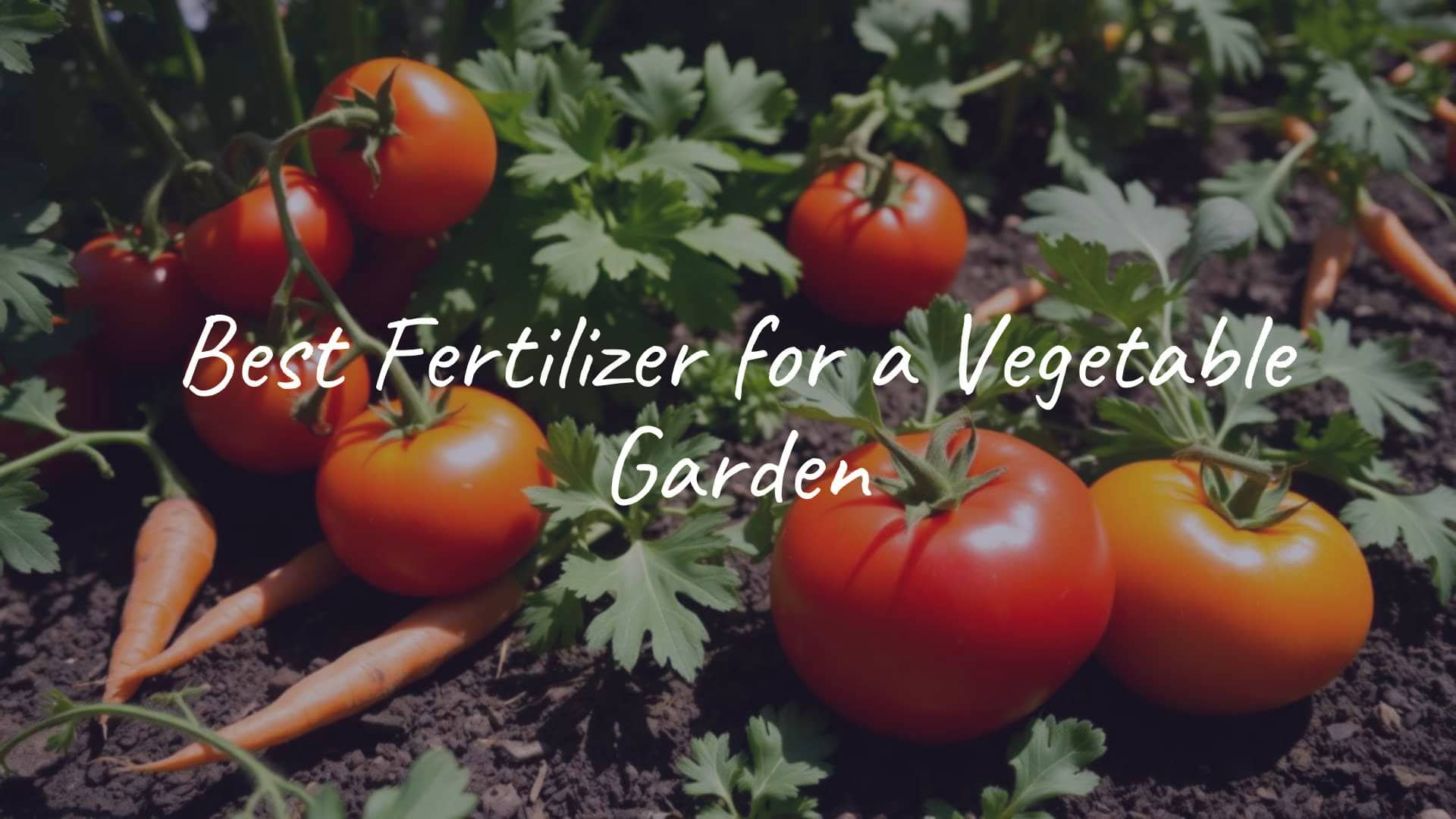
The best fertilizer for a vegetable garden is the one that fills the real nutrient gaps in your soil and matches what your crops need at each stage. For many home gardens, this often means using a balanced, complete fertilizer-such as a 10-10-10 N-P-K ratio-for leafy greens, or a low-nitrogen, higher-phosphorus option like 5-10-10 for fruiting and root vegetables. To get strong, healthy plants, it usually works best to mix organic matter like compost or aged manure to improve soil structure, then add specific nutrients at key growth times.
Choosing fertilizer is more than picking a nice-looking bag at the garden store; it’s about knowing what “food” your plants actually need. Vegetables use a lot of nutrients, and their needs change as they form leaves, flowers, fruit, and roots. When you match nutrient supply to each growth stage, you’re more likely to get a big, tasty, and nutritious harvest.

What Makes a Fertilizer Best for Vegetable Gardens?
What Nutrients Do Vegetable Plants Need Most?
Vegetable plants mainly depend on three key nutrients, often called the “Big Three”: nitrogen (N), phosphorus (P), and potassium (K). Nitrogen drives leafy growth; it gives kale and spinach their deep green color by helping them make chlorophyll. But it needs careful use. Too much nitrogen can produce tall, leafy plants that look great but give very few tomatoes, cucumbers, or other fruits.
Phosphorus helps roots, flowers, and fruit develop. If your soil is low in phosphorus, plants may stay small and yields may be poor. Potassium supports general plant health, helping with disease resistance, starch production, and water movement inside the plant. Besides these three, vegetables also need secondary nutrients like calcium, magnesium, and sulfur, plus trace elements like iron and zinc. These are usually present in enough amounts unless your soil is very sandy or the pH is badly off.

Why Does Soil Type Matter for Fertilizer Choice?
Your soil is the base of your garden’s health, and its type affects how nutrients are stored or washed away. In some areas, like northern Nevada, soils often have a lot of minerals but not much organic matter, so they don’t hold nutrients very well. Sandy soils lose nutrients quickly as water carries them past the roots. Heavy clay soils can keep nutrients, but they may drain poorly and compact easily, which makes it hard for roots to spread.
Soil pH-how acidic or alkaline the soil is-controls how available nutrients are to plants. Most vegetables grow best in soil with a pH of 6.0 to 7.0. If the soil is too alkaline (common in the western U.S.) or too acidic, nutrients can become “locked up,” so plants can’t use them even if they are present. A soil test is the only reliable way to know your soil’s pH and nutrient levels, so you can pick fertilizers based on real information instead of guessing.

Types of Fertilizer for Vegetable Gardens
What Is the Difference Between Organic and Synthetic Fertilizers?
The choice between organic and synthetic fertilizers usually comes down to how fast they work and your gardening style. Synthetic fertilizers are made from mineral-based raw materials and act quickly. They give plants an immediate dose of nutrients that roots can absorb right away. They’re very effective but do little to improve the soil long term, and if you overuse them, plants can become dependent on frequent feedings.
Organic fertilizers come from once-living materials such as compost, manures, and bone meal. Soil microbes must break them down before plants can use the nutrients. This takes more time, but it also improves soil structure and water-holding ability. The plant doesn’t “know” where its nitrogen came from-whether from a synthetic product or compost, it takes up the same form. The real difference is in how each source affects soil life and long-term soil health.
Granular vs Liquid Fertilizers: Which Is Better for Vegetables?
Granular fertilizers act slowly and steadily. These dry pellets are usually mixed into the soil before planting or spread along the sides of rows during the season. They must be watered in to start releasing nutrients, then they feed plants for weeks or even months. They are often cheaper for larger areas and less likely to wash away in a single heavy rain.
Liquid fertilizers, including concentrates you mix with water, work much faster. Because nutrients are already dissolved, roots (and sometimes leaves, with foliar feeding) can take them up quickly. That makes them great for helping transplants settle in or for fixing visible deficiencies fast. But they also wash through soil more easily, so you usually need to apply them more often than granular products.

Understanding Fertilizer Labels and N-P-K Ratios
What Do the N-P-K Numbers on Fertilizer Mean?
Every fertilizer bag lists three main numbers, such as 5-10-15. These show the percentage by weight of nitrogen (N), phosphorus (P), and potassium (K), always in that order. A “complete” fertilizer contains all three; an “incomplete” one has only one or two, like 46-0-0 (all nitrogen). Knowing these numbers lets you choose fertilizer for specific needs instead of guessing.
For example, if you have a 10-pound bag of 5-10-15 fertilizer, it contains:
- 0.5 pounds nitrogen
- 1 pound phosphorus
- 1.5 pounds potassium
The rest is filler material such as clay or other carriers, and sometimes coatings that control how fast nutrients are released. If there’s a fourth number, it usually refers to sulfur content, which can also be useful for many crops.
How to Match N-P-K Ratios to Vegetable Garden Needs
Picking an N-P-K ratio is like choosing the right fuel for different engines. Leafy greens such as lettuce, spinach, and Swiss chard need plenty of nitrogen. They often do well with balanced fertilizers like 10-10-10 or 16-16-16, which keep leaves thick and green. Since you harvest the leaves, you want steady nitrogen so they don’t turn pale or yellow.
Crops that grow fruits, seeds, or big roots-like tomatoes, peppers, carrots, and potatoes-prefer less nitrogen and relatively more phosphorus and potassium. Ratios like 5-10-10 or 8-16-16 work well for them. Too much nitrogen late in the season on tomatoes, for example, can give you a huge, leafy plant and very few actual tomatoes.

Common Ingredients in Vegetable Garden Fertilizers
Compost and Manure: Benefits and Best Use Practices
Compost is often called “black gold” because it feeds plants gently and improves soil at the same time. It releases nutrients slowly and helps soil hold water and air. Manure is also very helpful but needs careful handling. Never use fresh manure or pet waste in a vegetable garden. They can contain harmful germs like E. coli and also have high salt levels that can burn young plants. Use only well-aged or composted manure.
A good approach is to mix manure or compost into the soil in the fall. Over winter, soil life breaks it down and releases nutrients in time for spring. Fall application also helps wash out extra salts and gives time for any remaining harmful organisms to die off before harvest season.
Bone Meal, Blood Meal, and Fish Emulsion: When Should You Use Them?
If you like to blend your own organic fertilizer mixes, bone meal, blood meal, and fish emulsion are common building blocks. Blood meal is rich in nitrogen and works well when leafy crops need a quick green-up. Bone meal is high in phosphorus and is often mixed into the soil at planting for root crops like carrots or to support flowering in peppers and tomatoes. Fish emulsion (and liquid seaweed products) provide a mild liquid boost of nitrogen plus trace minerals that are especially helpful for seedlings and new transplants.
Always follow label instructions carefully with these concentrated products. They are natural materials, but they can still cause harm if used in large amounts. Blood meal can make soil more acidic and burn plants if you add too much. By combining these ingredients in the right amounts, you can create a fertilizer blend that matches your garden’s specific nutrient shortages.

Is Wood Ash Safe for Vegetable Gardens?
Wood ash from clean, untreated wood can be a useful free source of potassium and can raise soil pH, much like agricultural lime. It’s especially helpful for crops that like slightly “sweeter” (less acidic) soil, such as carrots. But it should be used sparingly. Because it dissolves in water and is very alkaline, it can change your soil pH quickly. Don’t leave it in piles; instead, spread a thin layer and lightly rake it into moist soil.
Keep these rules in mind for wood ash:
- Do not use it around acid-loving crops like blueberries or potatoes (it can encourage potato scab).
- Do not use ash from treated wood, painted wood, or trash.
- If your soil pH is already 7.0 or higher, skip wood ash, since it will make the soil even more alkaline and can tie up other nutrients.
How to Apply Fertilizer in a Vegetable Garden
When to Fertilize: Before Planting, After Planting, and During the Growing Season
Fertilizing vegetables works best as a two-step plan. Step one happens before planting: mix a complete fertilizer into the top few inches of soil. For lighter feeders like beans, peas, and carrots, this early feeding is often enough for the whole season. Once they’re established, they can usually get what they need from that base application and the soil itself.
Step two is extra feeding, called “sidedressing,” during the growing season. This is especially important for heavy feeders like corn, onions, garlic, and potatoes. These crops need a lot of nitrogen during fast growth. If, about a month after planting, your plants look pale or are growing slowly, they may have used up the nutrients from the first feeding and need more.
Methods of Application: Broadcast, Sidedress, and Banding
There are three main ways to apply fertilizer:
- Broadcasting: Spread fertilizer evenly over the entire bed surface, usually before tilling or planting.
- Banding: Place fertilizer in a shallow trench (about three inches deep) and plant seeds a couple of inches above and to the side of that band. This places nutrients close to the roots without touching them directly, which helps prevent salt damage.
- Sidedressing: Scatter fertilizer along the sides of rows or around plants during the season. Avoid getting dry granules on leaves, and water afterward so nutrients move into the root zone.
For liquid fertilizers, simply water the base of each plant with the diluted solution, avoiding the foliage unless the product is labeled for foliar feeding.
How Much Fertilizer Should You Use for Different Garden Sizes?
Fertilizer rates are often listed as pounds per 100 square feet. To find your garden’s size, multiply length by width. A 10×10-foot bed is 100 square feet. If the instructions say “2 pounds per 100 square feet” and your bed is 20×15 feet (300 square feet), you’ll need 6 pounds of fertilizer.
For single plants or short rows, scale it down:
- One large plant (tomato, melon): treat as about 5 square feet.
- One medium plant (broccoli): about 2.5 square feet.
- A 10-foot row of small plants (carrots, lettuce): about 10 square feet.
To get a rate for a 10-foot row, divide the 100-square-foot rate by 10. Accurate measuring saves money and helps protect plants from damage caused by too much fertilizer.
Choosing the Best Fertilizer for Common Vegetables
Leafy Greens vs. Fruiting Vegetables: Do They Need Different Fertilizers?
Yes, they do. Leafy greens grow mainly leaves, and that’s what you harvest. They need steady nitrogen for quick, tender leaf growth. If nitrogen runs low, they may go to seed early (“bolt”) or become tough and bitter. A balanced fertilizer at planting usually works well, with an extra light liquid feeding if the soil is poor.
Fruiting vegetables-such as peppers, squash, and eggplants-have different needs over time. They need nitrogen at first to build stems and leaves, but once they start forming flowers, they benefit from more phosphorus and potassium instead. If you keep feeding high-nitrogen fertilizer after flowering starts, you may end up with lots of vines and leaves but very few fruits. Good timing on this shift in nutrients makes a big difference in your yield.
Recommendations for Tomatoes, Peppers, Root Crops and More
For tomatoes, a common approach is to use a 5-10-10 organic fertilizer at planting. Then sidedress once when the first fruits form and again after your first main harvest. Peppers respond similarly but are usually a bit easier and need slightly less fertilizer than tomatoes.
Root crops like carrots and beets like lower nitrogen levels. If nitrogen is too high, you get large leafy tops and skinny, forked, or hairy roots. They often benefit from some potassium, and in some soils, a small amount of wood ash can help flavor and quality.
Corn is one of the heaviest feeders in the garden. It needs plenty of nitrogen at planting and another strong dose when plants reach about 8-10 inches tall. Peas and beans, by contrast, are legumes and work with soil bacteria to “fix” their own nitrogen from the air. Many times, a single pre-plant feeding is enough for them, and adding extra nitrogen is unnecessary.
Risks and Problems with Overfertilization
How Can Too Much Fertilizer Harm Your Vegetables and Soil?
Adding more fertilizer than plants need can cause serious problems. The most common is “salt burn.” Fertilizers act like salts in the soil; in high amounts, they pull water out of plant tissues. Leaf tips and edges may turn brown and dry out, and in severe cases, plants can die. Too much nitrogen also leads to fast, weak growth that attracts pests such as aphids and makes plants more open to disease.

Over time, heavy fertilizer use can upset soil balance. Salts can build up and make it harder for roots to take in water. Soil microbes and helpful fungi can be harmed, reducing soil life and making the garden rely more on added fertilizers to produce good yields.
Environmental Concerns with Fertilizer Runoff
Extra fertilizer that plants don’t use doesn’t stay in place. Rain and irrigation can carry nitrogen and phosphorus into storm drains, streams, and groundwater. This runoff is a major source of water pollution. In lakes and coastal waters, these nutrients feed large algae blooms that use up oxygen and create “dead zones” where fish and other aquatic life cannot survive.
In some areas, nitrate from fertilizers has polluted drinking water supplies. By applying the right amount at the right time, you help protect not just your garden, but also local rivers, lakes, and wells. Using slow-release, organic fertilizers and feeding based on real plant needs are good ways to reduce this risk.
Advanced Tips for Garden Vitality
Beyond standard fertilizers, you can boost your garden by copying how plants grow together in nature. One method is intensive planting, where you group plants closely in small clusters instead of leaving wide spaces between rows. Place tall plants in the center, medium plants around them, and low ground covers at the edges. This creates a living mulch that shades the soil, keeps moisture in, and helps crowd out weeds. It also encourages a more cooperative plant community, where different plants support each other.
Another helpful practice is using nitrogen-fixing companions. For example, plant peas early in the season. They leave behind nitrogen in the soil that later crops, like tomatoes, can use. When tomato plants are ready to climb their stakes, their roots can reach the nitrogen left by the peas. Also, simple pruning can do a lot: trimming off lower leaves improves airflow, lowers disease risk, and signals the plant to put more energy into new growth and fruit production-giving you better leaves, roots, and fruits to harvest.







![What to with Scrap Metal? [infographic]?](https://facts-homes.com/wp-content/uploads/2019/07/645413-POPYOV-391-120x86.jpg)