

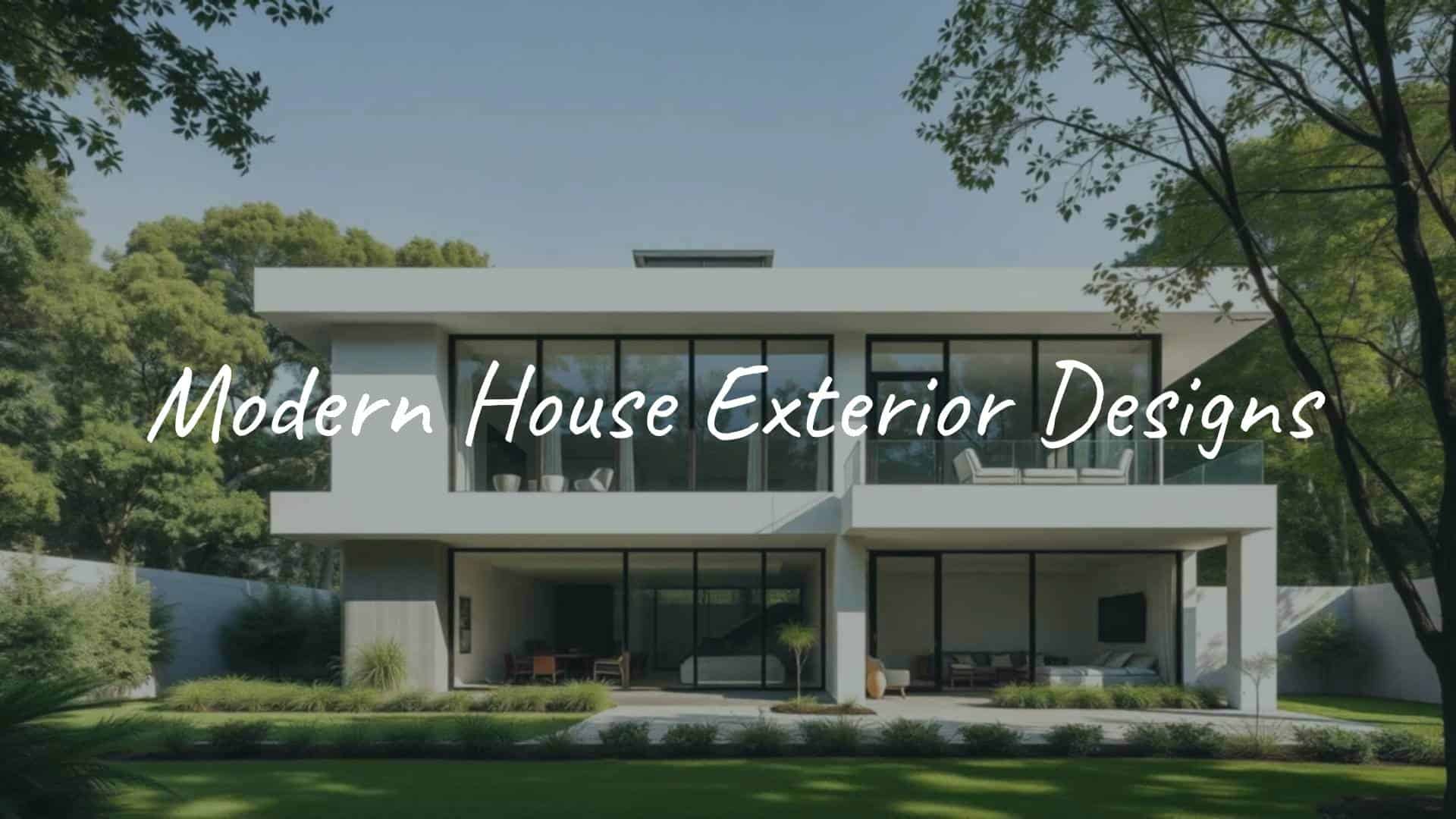
Modern house exterior designs focus on simplicity, clear shapes, and a strong link between indoor and outdoor spaces. This style favors practical layouts and honest use of materials instead of heavy decoration. Straight lines, flat or low-slope roofs, and large glass areas are typical features, creating homes that feel both grounded in their setting and fresh in appearance.
These designs also respond to how people live today. They highlight natural light, open interiors that show on the outside, and color schemes built around neutrals with bold, natural textures. From large suburban houses to narrow city infill lots, modern exteriors follow a “less is more” mindset, so every beam, frame, and cladding choice adds both function and visual calm.

What Defines a Modern House Exterior Design?
Key Principles of Modern Exterior Architecture
The main idea behind modern architecture is “form follows function.” For house exteriors, this means the outside shape and layout grow from the needs of the people living inside, not from old rules about symmetry or ornament. You’ll often see asymmetrical fronts where windows and doors line up with room layouts and light needs, creating a facade that feels active, useful, and individual.
Modern homes also stress strong horizontal and vertical lines. Many have long, low shapes that stretch along the ground, or tall vertical walls that add drama. Long bricks, horizontal wood slats, or continuous panels pull the eye across or up the building. By skipping crown molding, shutters, and fancy trim, the basic geometry of the structure becomes the main feature.
Differences Between Modern and Contemporary House Exteriors
People often mix up “modern” and “contemporary,” but they come from different design histories. Modern design refers to early and mid-20th-century styles such as Bauhaus and International Style. It comes from a fixed time period and likes clear shapes, materials like steel and concrete, and a move away from historical copies. A modern house reflects the machine age and a push for efficient, repeatable building methods.
Contemporary design is “current” and keeps changing with new ideas. It often borrows modernist elements but adds present-day trends like biophilic design, curves, and advanced green technology. A contemporary exterior might keep modern clean lines but add a round window, a green living wall, or unusual textures-details strict mid-century modernists would likely have rejected. Knowing this difference helps homeowners choose between a classic modern feel or a more mixed, up-to-date style.

Popular Modern House Exterior Styles
Minimalist Box Homes with Flat Roofs
The simple “box” home is one of the clearest symbols of modern design. It uses straight-edged volumes that stack or stick out over one another to create bold shapes. Flat roofs give a neat finish that keeps attention on the walls and shadows instead of bulky roof forms. White stucco or smooth concrete is common, so the building’s own shapes cast changing patterns of light and shade all day long.
By 2026, these box homes often include more advanced cantilevers that create shaded patios underneath upper floors. Extending the second story over the first makes outdoor spaces that feel like rooms, without adding columns that would break the floating effect. This style is visually strong and demands high-quality building work, because minimal trim leaves no place to hide flaws.

Modern Farmhouse Exteriors
The modern farmhouse is still very popular, though it has moved far from its early “shabby chic” look. Today’s version favors high-contrast colors-often bright white siding with black metal windows and dark roofs. It keeps the classic barn-like gabled outline but removes extra detail, creating a look that feels both familiar and current.
Vertical board-and-batten siding is central to this style, adding height and rhythm. Big wraparound porches are often swapped for simple stoops or wide sliding glass doors that open to simple backyards. This approach offers the charm and comfort of a farmhouse with the clean discipline of modern design, ideal for families who want both warmth and a sharp, tidy exterior.
Scandinavian Modern Influence
Scandinavian modern, or “Scandi-mod,” is built around comfort and calm. Outside, this often means pale woods like cedar or pine, protected with clear finishes so the grain stays visible. Steep gable roofs help shed snow, and colors tend to be soft and earthy-grays, whites, and light browns.
These exteriors feel human-scaled and friendly rather than imposing. Large windows are carefully placed to grab as much daylight as possible, a response to long dark winters in Nordic regions. Natural materials, simple forms, and thoughtful window placement create modern houses that feel cozy instead of cold or industrial.
Industrial and Urban Contemporary
Industrial modern grew from turning old factories into homes and has moved into new construction. This style highlights tough materials: visible steel beams, reclaimed brick, corrugated metal, and concrete. Large multi-pane “factory” windows are common, bringing in plenty of light and giving a loft-like feel.
In cities, this look works well for narrow townhouses or tight lots. Dark metal cladding can make a slim building feel strong and stylish. Designers often balance the hard feel of metal and brick with softer touches such as wood entries, rooftop gardens, or planters so the home doesn’t look like a pure warehouse.

Mid-century Modern Revival
The mid-century modern (MCM) revival brings back the 1950s-60s style. These homes often have low, stretched-out shapes, butterfly roofs, and clerestory windows set high near the roof. One main goal is to connect indoors and outdoors, so you may see “see-through” houses where you can look straight from the front yard to the back.
Current MCM-inspired homes use better-performing materials, such as double-glazed windows and composite wood that resists weather damage. Color schemes often include a bold retro accent-a turquoise or orange front door, for example-against plain stone and wood. This playful, optimistic look still appeals to people who like vintage style with modern comfort.
Tropical and Coastal Modern
Modern design in hot climates focuses on airflow and shade. Tropical modern homes might stand on stilts or have long roof overhangs to shield glass from strong sun. Materials like bamboo, coral stone, and teak suit humid conditions and add rich texture.
Coastal modern exteriors lean into weathered looks-silvered wood siding and corrosion-resistant metals. These houses are built to handle sun, salt, wind, and rain while still looking light and airy. Large folding or sliding glass walls are common, letting sea breezes move through the living areas when the weather is pleasant.
Blending Modern with Traditional Features
For homeowners who want some modern style but not a full break from tradition, transitional exteriors offer a mix. This approach keeps a familiar house form-like a colonial or cottage-but updates materials and details. Picture a classic brick house painted deep charcoal, with big black-framed casement windows and a sleek oversize pivot door replacing a standard front door.
This blend helps a house fit into a traditional street while still feeling current. You keep the old shape, but simplify and sharpen the details, creating a home that feels both settled and up to date.
Top Features in Modern House Exterior Designs
Material Choices: Wood, Stone, Metal, and Glass
Modern exteriors often depend on mixing materials. Instead of covering the whole front in one thing, designers combine different textures and finishes. A 2026 modern house might use smooth poured concrete at the base, warm cedar slats in the middle, and matte black metal on the upper floor. Pairing warm and cool materials stops the facade from feeling flat or dull.
Stone use has also changed. Instead of rough, uneven fieldstone, modern houses use thin ledger stone or big stone slabs with narrow grout lines for a clean, solid look. Glass is just as important-it can cover entire walls, bounce light, and visually “lighten” heavy parts of the building.

Color Palettes and Contrasting Accents
Modern color schemes no longer stick only to gray. While soft, single-color palettes are still popular, darker “moody” colors-deep navy, forest green, and off-black-are more common. These shades make plants stand out and help the house feel grounded and solid.
Accent colors and materials draw attention to key features. A recessed entrance might be lined in copper or warm wood to signal the front door against darker walls. These accents act like jewelry for the house, adding richness without old-fashioned decoration.
Oversized Windows and Natural Light
In modern design, windows are major design pieces. Floor-to-ceiling glass and corner windows bring in huge amounts of light and connect views from room to room and to the outside. From the street, these glass areas show reflections of the sky and trees, helping the building feel part of the landscape.
Many new modern houses hide window frames inside the walls or floor so only the glass is visible. This creates very clean edges that feel high-end. Advanced coatings and glass technologies now let homes use large windows while still keeping heating and cooling costs under control.
Distinctive Rooflines and Shapes
Flat roofs are classic in modern design, but shed roofs and mono-pitch roofs are also common. These sloped single-plane roofs can create dramatic interior ceilings and are good for solar panels. Designers can angle the roof to catch views or turn away from street noise and hot sun.
More curved shapes are appearing as building methods improve. Adding a single curved wall or rounded corner can soften a very boxy house and give it a sculptural, custom look that reads like an outdoor art piece.
Innovative Outdoor Living Spaces
In many modern homes, outdoor areas are treated as extensions of the interior. Decks and patios often include built-in cooking zones, sleek outdoor kitchens, fire pits that sit flush with the ground, and pools that visually match the glass walls of the house.
Lighting is subtle and architectural rather than decorative. Instead of porch lanterns, you might see LED strips under steps, recessed lights in soffits, and small uplights around trees and walls. The result is a house that stands out in the evening as much as during the day.
Statement Entry Doors and Focal Points
The front door is a prime place for personality in modern design. Pivot doors-mounted on a central pivot instead of side hinges-are very popular. They allow extra-wide and tall door panels in wood, glass, or metal, creating a strong sense of arrival.
Other key focal points might be a floating staircase framed by glass or a built-in piece of art or sculptural feature near the entry. These elements give visitors an early hint of the style and care inside the home.
How Landscaping Complements Modern Exteriors
Integrating Minimalist and Native Plant Design
Modern landscaping keeps things simple and avoids overly busy planting. Instead of many different plant types, designers often choose a few and group them in large clusters. Grasses and hardy plants that move in the wind and need little water are common choices. The goal is to frame the house so plants support the architecture instead of fighting with it.
Using plants that naturally grow in the local region is also a key trend. Native plants usually need less water and care, and they help the home feel rooted in its climate. A modern house in the desert will use very different plants than one in a rainy, forested region, and that difference becomes part of its character.
Walkways, Paving, and Hardscape Trends
Modern hardscapes rely on strong edges and simple patterns. Large concrete pavers spaced apart with gravel, river rock, or groundcovers like creeping thyme create geometric paths that also help with drainage. This breaks up big surfaces, adds interest, and reduces stormwater runoff.
Retaining walls and raised beds might use weathering steel (Corten) that rusts to a rich brown, or gabion walls-wire baskets filled with stones. These crisp, linear elements match metal and concrete details on the house, tying inside, outside, and landscape together.
Creating Seamless Indoor-Outdoor Flow
Modern exterior design often aims to make inside and outside feel like one. One method is using flush door thresholds so floor levels inside and the patio outside line up. When large glass doors slide open, living rooms can double in size and feel like they spill directly into the yard.
Designers also carry materials across the threshold. If the living room ceiling is wood, the same wood might continue out under the outdoor overhang. Stone floors might run from inside to the terrace without a change in tile size. This continuity tricks the eye into reading separate zones as one big space.

Sustainable and Eco-Friendly Modern Exterior Trends
Green Materials and Energy-Efficient Features
By 2026, modern style and eco-conscious building tend to go hand in hand. Many exteriors use recycled or low-impact materials, such as siding made from reclaimed plastics or engineered woods from fast-growing trees. These products often look very refined, proving that sustainable choices can also look sleek and polished.
Energy-saving features are often built into the architecture. You’ll see solar shingles that look like regular roof tiles, sculptural small wind turbines, and high-performance coatings for roofs and walls that reflect heat. These choices lower energy use without hurting the clean lines of the design.
Passive House Techniques and Insulation
The Passive House standard is becoming a frequent target for modern homes. It relies on very well-insulated, airtight building shells. From outside, you may notice thicker walls and deep window reveals, signs of extra insulation and careful detailing. Much of the performance benefit is hidden, but it leads to quiet, comfortable interiors and very low energy use.
Simple decisions such as house orientation matter a lot too. Modern homes may be angled to catch winter sun, block harsh summer sun, and take advantage of breezes. Careful placement of windows, overhangs, and openings lets the building work with the climate instead of against it.
Blending Homes into Natural Landscapes
Many modern architects are choosing to fit homes more closely to the land instead of leveling sites. Houses might step down a slope with the terrain, or they might have planted roofs covered in native grasses. From above or afar, parts of the building almost disappear into the landscape.
Cladding often uses colors and textures borrowed from nearby rocks, soil, or trees, and reflective glass can mirror surrounding scenery. The idea is to let the house share space with nature rather than overpower it.
Modern House Exterior Design Ideas for Different Home Types
Modern Bungalow
Bringing a bungalow up to date often starts with its low, wide proportions. Removing busy porch railings and replacing them with glass or thin steel cables clears the lines. Adding a raised clerestory section can brighten the center of the plan and give the roofline more interest.
Outside, mixing smooth stucco and horizontal wood siding lightens the look. Because many bungalows feel heavy and grounded, lighter colors and small overhangs or canopies that seem to float can give a fresh, modern edge.
Updated Split-Level Homes
Split-level houses from the 60s and 70s can feel dated, but their staggered levels actually suit modern box-like forms. Treating each level as its own block and using different materials-for example, dark brick below and light wood above-can highlight the structure instead of hiding it.
Replacing small windows with large picture windows or glass panels is another big upgrade. Split-levels often have solid structure and good layouts; modern exteriors that open up the facade and simplify details can dramatically improve curb appeal.
Modern Ranch and Colonial Styles
Ranch homes already share traits with modern design-single-story living and a strong link to the yard. To modernize a ranch, attention often goes to the roof and edges. Extending eaves for deeper shadows, switching to standing-seam metal roofing, and removing extra trim can sharpen the look quickly.
Colonial homes are more formal and symmetrical, so updates focus on subtle shifts. Black-framed windows, a simple porch with square or metal posts, and a limited, unified color palette can make a big difference. Trading gridded windows for larger clear panes instantly brings a classic house into a more current feel.
Revitalized Victorian and Cottage Exteriors
For Victorians, modern updates usually use color and contrast. Instead of painting trim many different colors, designers may paint the entire exterior a single bold tone like deep charcoal. This creates a strong silhouette where all the carved details appear as a unified pattern rather than a busy collection of parts.
Cottages can get a modern lift with simple landscaping and clear new additions. A glass-and-steel rear extension on a stone cottage, for example, creates a striking difference between the old and new sections. The goal is to keep the original charm while adding spaces that match how people live now.
Cabins with Modern Touches
Modern cabins and A-frames are favorites for vacation homes. They often keep traditional cabin materials like logs or rough timber but arrange them in clean, sharp forms. A glass-front A-frame lets forest views become the main interior focal point, while dark metal roofs contrast nicely with trees and snow.
Many new cabins use charred wood siding (Shou Sugi Ban), which resists insects and rot and provides a deep, textured finish. This technique brings together long-standing building wisdom with a simple, modern look.
Urban Townhouses and Extensions
In built-up areas, modern townhouse exteriors often stretch upward. Vertical slats, screens, and planted walls can add privacy while still letting in light. New rear extensions are sometimes pure glass boxes attached to older brick buildings, creating a clear but stylish difference between periods.
Rooftop terraces are a big plus for city homes. Glass railings preserve skyline views, while built-in planters and seating turn roofs into outdoor rooms. Every surface, from facade to roof, is used to add outdoor space and light.
How to Personalize a Modern House Exterior Design
Adding Unique Architectural Details
Modern design leaves plenty of room for subtle personal touches. Custom house numbers, laser-cut metal screens, or patterned brick walls that filter light (hit-and-miss brickwork) add character without clutter. These details show that the house design responds to a specific owner and site.
Lighting also offers many options. Wall grazers that skim across stone, slim fixtures that wash wood cladding with light, or small step lights can change how surfaces appear at night. Thoughtful lighting can highlight textures and shapes you barely notice during the day.
Choosing Colors and Materials That Reflect Your Style
While modern exteriors often use neutral colors, you can still express your taste. A front door in a favorite bold color, or a single accent wall in teal, rust, or deep green, can set the mood. Choosing one standout material-like a special wood or metal-and letting it repeat across key features creates a clear theme.
Texture choices also shape the feel of the home. Smooth steel, rough stone, finely milled wood, or board-formed concrete all send different messages. Mixing a few well-chosen textures can say just as much about you as color does.
Balancing Curb Appeal with Functionality
A modern exterior should look good and handle daily life well. Think about climate, maintenance, and how people use entries. In rainy zones, flat or low-slope roofs need very reliable drainage. In snowy areas, materials must hold up to salt and ice. Families might need discrete storage near entry doors so a clean look doesn’t collapse under real-world clutter.
Smart technology is often quietly built into the exterior. Hidden cameras, slim smart doorbells, keypad or phone-controlled locks, and lighting that responds to time of day or motion add convenience and safety without distracting from the design.
Modern Exterior Upgrades That Add Value to Your Home
Exterior Siding and Cladding Innovations
Changing siding is one of the fastest ways to refresh a house and add value. Fiber cement panels and planks are a popular option in 2026. They can imitate wood or stone, resist fire and pests, and need little upkeep, which appeals to future buyers.
Thermally modified wood is another strong choice. Heated in a controlled way, it becomes resistant to moisture, insects, and decay without chemicals. It keeps the warm look of real wood but with far less regular maintenance.
Smart Lighting for Curb Appeal
New exterior lighting systems do more than turn on and off. Many let you adjust brightness and color warmth. Cooler white light can make the house look crisp in summer, while warmer tones feel welcoming in colder months. Scenes can be timed or triggered by sunset, motion, or schedules.
Soft motion-activated path and wall lights also boost safety and style. Lights that slowly brighten as someone walks up the driveway or path make the experience feel refined and secure.

Sustainable Driveways and Walkways
Driveway design is shifting from solid concrete to permeable systems that let water soak into the ground. Options include grid pavers filled with grass or gravel and specially designed permeable pavers that handle load while letting water pass through. These systems reduce runoff and have a more modern, intentional look.
Under-driveway snow-melt systems are becoming more common in cold areas. Heating elements keep surfaces clear of snow and ice without salt or heavy shoveling, protecting modern finishes and extending their life.
Planning Your Modern Exterior Makeover
Budgeting for Design and Materials
Modern exteriors can be more expensive than they appear, because simple lines require precise work. A clean glass wall, for example, needs strong structure and careful installation. When planning costs, set aside money for skilled labor and trades who are used to tight tolerances and exposed details.
Material choices also affect budgets dramatically. Real stone and exotic woods can be costly, but porcelain panels, engineered products, or metal cladding may reach a similar look for less. Staying flexible about exact materials while staying firm on the overall look can help keep finances on track.
Working with Architects and Designers
Modern exteriors rely heavily on scale, proportion, and thoughtful window placement. Working with an architect or designer familiar with modern work helps avoid common mistakes like awkward rooflines or poorly placed glass. They can guide how different volumes of the house relate and where solid vs. transparent areas should go.
Design pros can also help select materials that age gracefully. Some woods gray quickly; some metals stain; some finishes need regular upkeep. Planning for how the house will look and perform in 5, 10, or 20 years makes the project long-lasting, not just trendy.
Adapting Modern Designs to Local Building Codes
Local rules can affect modern designs, especially for things like roof shape, height, or dark colors. It’s smart to speak with planning and building departments early so design choices align with zoning, neighborhood guidelines, and safety standards.
In wildfire zones, coastal areas, or high-wind regions, many modern materials-like metal roofs, fiber cement, and non-combustible sidings-fit well with safety requirements. Framing your project around better durability and lower risk can make approvals easier.
Frequently Asked Questions About Modern House Exterior Designs
Which Modern Exterior Materials Are Most Durable?
For longevity, metals and fiber cement are leading choices. Standing-seam metal roofs often last 50 years or more, and metal wall panels in aluminum, zinc, or steel handle harsh weather well. Fiber cement looks like wood or masonry but resists moisture, rot, pests, and fire.
If you want natural wood, modified woods like Accoya and Kebony perform far better than standard lumber. Their treatment process changes the wood so it is far less likely to warp, crack, or decay, even in tough climates. They cost more upfront but can save a lot in repair and repainting over time.
Can a Traditional Home Be Updated with a Modern Exterior?
Yes, but it works best with a thoughtful and careful approach. Instead of forcing a modern roof shape onto a traditional structure, focus on cleaning up lines. Removing shutters, using fewer trim pieces, choosing a simple color scheme, and installing larger, clearer windows can all move the look toward modern while keeping the original form.
Adding a clearly modern extension is another strategy. A glass and metal addition on a brick or stone house can create an interesting pairing of old and new. Many European homes combine historic shells with modern additions and end up with rich, layered architecture.
What Are Common Mistakes in Modern Exterior Renovations?
A frequent mistake is trying to add too many different materials, colors, and features. Modern design depends on restraint and clarity. Limiting the palette and doing a few things very well often produces a stronger result than mixing every trend.
Another problem is ignoring scale and blank walls. Large unbroken surfaces without changes in texture, shadow, or window placement can feel harsh or cheap. Careful use of recesses, overhangs, and material breaks adds depth. Window quality is also key-thin, well-made frames and glass suited to the climate are worth the investment.
Looking ahead, modern house exteriors are starting to include smart skins that respond to sunlight, temperature, and air quality. Some systems can change shade, open and close louvers, or filter air at the surface of the building. Modern homes are gradually moving from static shells to active environments that adjust to people and climate. Choosing a modern exterior today can be a step toward this more responsive, efficient way of living, with clear lines, strong connections to nature, and thoughtful use of resources.









![What to with Scrap Metal? [infographic]?](https://facts-homes.com/wp-content/uploads/2019/07/645413-POPYOV-391-120x86.jpg)