

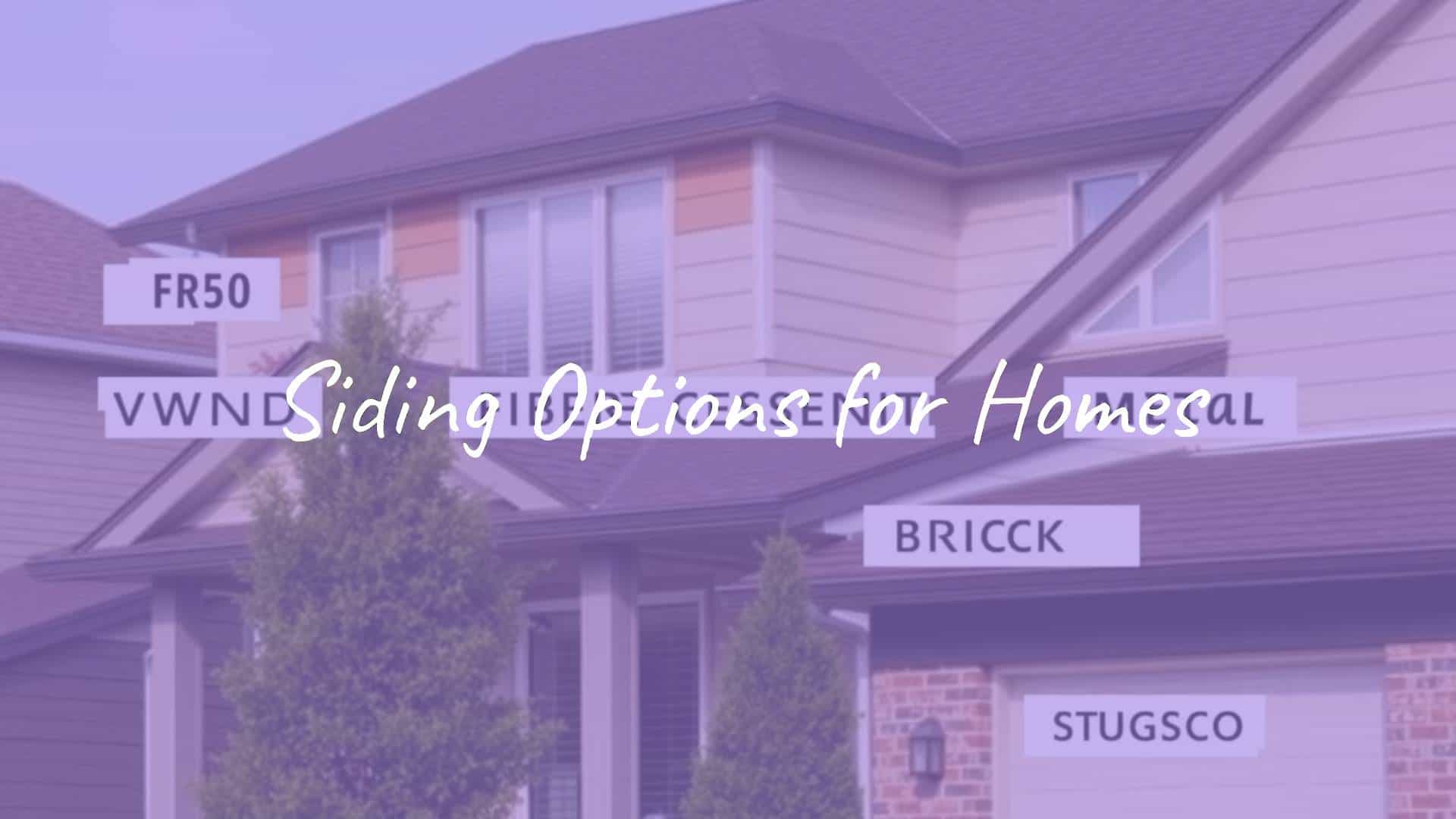
When looking at siding options for homes, you’re really choosing between different outer wall materials-like vinyl, wood, fiber cement, metal, brick, and stucco-that protect your house. Siding keeps out moisture, wind, and temperature swings while also setting the style and curb appeal of your home. Picking the right type means weighing upfront cost, long-term care, and how well the material fits your local climate.
Exterior siding choices have grown a lot by early 2026, with more durable and flexible styles than in the past. Whether you are fixing up an old family cottage or finishing a sharp, modern home, learning how each material works is the first step to a successful project. The sections below explain how the main siding options perform, how much they cost, and what they are like to live with.

What Are Siding Options for Homes?
What Is House Siding?
House siding is the outer layer of a home, usually made of boards, shingles, or sheets. It acts like the “skin” of the house, forming the first barrier against rain, wind, and sun. Besides protection, siding is a big part of how your home looks from the outside and has a large impact on its overall style and value. It is built to be both flexible in appearance and strong enough to keep the structure underneath dry and protected.
Siding can come from many different materials, such as natural wood and stone or man-made products like PVC and composites. Modern production methods let these materials copy almost any texture, color, or pattern, so you can get the look of cedar shakes or brick without using those exact materials. This flexibility makes siding one of the easiest ways to change and upgrade your home’s appearance.
Why Does Siding Matter for Homeowners?
For homeowners, siding is more than a style choice; it is a key part of keeping a house in good shape. Quality siding shields and insulates the building from heat, rain, cold, and rough weather. Extra insulation in or behind siding helps control indoor temperature, which can cut energy bills over time. Without good siding, moisture can get into the walls, leading to rot, mold, and major repair costs.
Siding also has a big effect on property value. It’s one of the first things buyers and neighbors notice, so it plays a large role in curb appeal. A siding material that fits both the neighborhood and the home’s design can bring a strong return on investment. The goal is a good-looking exterior that makes you proud and keeps the structure safe underneath.
Most Popular Siding Materials for Residential Properties
Today’s housing market focuses on a few main siding types that have proven reliable over time. Vinyl is still very common because it is affordable and needs little upkeep. Fiber cement, including brands like James Hardie, is growing fast for people who want very strong siding that also looks like high-end wood. Wood siding remains a favorite for classic and rustic style, though it does need more ongoing care.
Other common choices include metal siding-such as steel and aluminum-liked for its modern look and fire resistance. Brick and stone veneer are often used to give a solid, upscale feel and may appear as accents or full coverage on luxury homes. Stucco is widely used in warm, dry areas, and engineered wood plus composite products are becoming more popular as eco-friendly, high-performance replacements for traditional lumber.
Types of Siding for Homes
Vinyl Siding
Vinyl siding is made from polyvinyl chloride (PVC) resin. It is one of the most common siding types in North America; the National Association of Home Builders (NAHB) reports that more than 25% of single-family homes use it. Vinyl is popular because it comes in many shapes and looks-such as classic horizontal boards, vertical panels, and beaded designs-along with a wide range of colors.
One key feature of vinyl is that the color runs through the whole piece, not just on the surface. If it gets scratched, the color you see is still the same. Many current vinyl products include titanium oxide to reduce fading from UV rays and may come with insulated backing to raise the home’s R-value (insulation strength).

Wood Siding
Wood siding is a long-standing option that gives a warm, natural look many homeowners love. It is usually made from species like redwood, cedar, fir, or pine. You can choose from styles such as clapboard, shingles, shakes, and board-and-batten, which allows you to shape the look for both rustic and modern homes.
Because wood is natural, it is a renewable resource and can be an eco-friendly choice. It also insulates well on its own, helping keep your house comfortable in all seasons. Wood can be stained to show off the grain or painted any color, giving you a lot of design freedom.

Fiber Cement Siding
Fiber cement is a strong composite made from Portland cement, sand, water, and cellulose fibers. It combines the toughness of masonry with the look options of wood. It can be formed to copy wood shingles, lap siding, or even smooth stucco. Brands like James Hardie are well-known here, offering thick, sturdy boards and panels.
This material is known for handling tough climates well. It does not warp or buckle like some other products and holds up in heavy wind and rain. Many homeowners choose fiber cement when they want a long-lasting, low-attention siding that still looks high-end.

Metal Siding
Metal siding includes aluminum, steel, copper, and zinc. It is known for high strength and a long life span. Once used mostly on commercial buildings, it is now common on homes with modern or industrial design. You can get it as horizontal or vertical panels, or as shingles and tiles that look similar to more traditional materials.
Aluminum is light and simple to install, and it doesn’t rust easily, making it a good fit for coastal regions with salty air. Steel siding, including products from brands like Quality Edge, is highly impact-resistant and can be coated to look like real wood. Metal is fully recyclable, which appeals to homeowners focused on reducing waste.

Brick Siding
Brick is a long-respected siding material known for its classic look and long life. While older homes may be built of solid brick, most newer homes use brick veneer: a single layer of brick installed over a framed wall. This gives the familiar masonry appearance without the cost and weight of full brick walls.
Brick can last for centuries with basic care. It does not rot, attract insects, or react badly to sudden temperature changes. Brick also works as a thermal mass, soaking up heat during the day and slowly releasing it at night, which supports good energy performance.

Stone Veneer Siding
Stone veneer gives the look of real stone but in a thinner and lighter format. It may be cut from actual stone or cast from concrete and colored to match natural rock, from rough fieldstone to neat stacked slate. It is often used to highlight entry areas, chimneys, or the lower parts of exterior walls.
Because it is lighter than full-thickness stone, stone veneer costs less and is easier to handle. It also offers consistent color and shape, so the finish looks even across the whole surface. It is a durable upgrade that quickly makes a home feel more upscale.
Stucco Siding
Stucco is a plaster-like siding made from cement, sand, lime, and water. It is applied in several coats and shaped into many textures, from smooth, Spanish-style finishes to rough, hand-troweled looks. It has been popular in Mediterranean and Southwestern styles for a long time, and is now showing up more often on modern designs as well.
Stucco reflects a lot of heat, which helps keep interiors cooler in hot climates. It is durable, handles small impacts fairly well, and resists fire and pests. Since it can be tinted or painted in many colors, it offers wide design options.

Engineered Wood Siding
Engineered wood siding, such as LP SmartSide, gives you the look of real wood with better resistance to damage. It is made by mixing wood fibers with water-resistant resins and binders, then pressing them under high heat. Manufacturers add waxes and chemicals like zinc borate to fight rot and moisture problems.
The end product is lighter than natural wood and easier to install, while standing up better to insects and decay. Many products are sold pre-primed or pre-finished, which cuts paint work on site. The surface often has a realistic wood grain that can fool most people at first glance.
Composite Siding
Composite siding includes products made from mixes of plastics, polymers, and wood byproducts. A common type is composite cladding like TimberTech by AZEK, which uses composite polymers to mimic the appearance of wood without the heavy upkeep. These materials are built to be very long-lasting and often show up in designs that mix several siding types.
Composite products are getting more popular because they avoid the main problems of natural materials. They do not rot, warp, crack, or invite insects. They represent some of the latest siding technology, offering steady performance and an upscale look for owners who want very low maintenance.
What Are the Pros and Cons of Each Siding Type?
Vinyl Siding Pros and Cons
Pros: Vinyl is one of the most budget-friendly options. It needs very little care-usually just a wash with soap and water from time to time. It is simple to install and comes in many colors and styles. Because it is PVC, it stands up well to moisture, rot, and insects.
Cons: Vinyl is not as tough as brick or fiber cement. It can crack or change shape during strong temperature swings and may be damaged by severe hail or flying debris. While better products fade less, lower-cost vinyl can still lose color in strong sunlight. It is also a plastic based on petroleum, which some homeowners try to avoid for environmental reasons.
Wood Siding Pros and Cons
Pros: Wood gives a classic, high-end look and adds a lot of character. It is natural, renewable, and breaks down easily at the end of its life. If one board is damaged, you can usually replace just that piece. Wood is also a strong natural insulator.
Cons: Wood needs regular care. It must be painted or stained every three to five years to avoid rot, warping, and insect damage. It burns more easily than some other materials, though fire-retardant treatments can help. If it is not carefully maintained, its life span is often only 10-20 years, and installation costs can be high.
Fiber Cement Siding Pros and Cons
Pros: Fiber cement is very long-lasting and can reach 50 years or more. It resists fire, rot, and pests, which makes it a low-stress choice. It can look very similar to real wood and can be painted in any color. Its toughness can even help lower home insurance costs in some areas.
Cons: It costs more at the start than vinyl. Because it is heavy, you need professional installers and special tools. Cutting fiber cement creates silica dust that is harmful to breathe, so crews must follow safety rules. In very humid places, if it is not sealed well, it can absorb water over time.
Metal Siding Pros and Cons
Pros: Metal is highly fire-resistant and does not attract termites or other pests. It is very durable and has low upkeep needs. Modern metal siding can look sleek and stylish, and it is fully recyclable when removed. It works especially well in coastal locations (aluminum) and in areas with wildfire risk.
Cons: Metal can dent or scratch, especially in hail. Steel can rust if its coating is damaged, and aluminum can form a “chalky” surface as the paint ages. Metal is not a good insulator and does little to block sound, so rain may sound louder on metal-clad walls.
Brick Siding Pros and Cons
Pros: Brick is extremely durable, often lasting more than 100 years. It resists fire and rot and needs almost no ongoing care. Its thermal mass can help cut energy bills, and it often adds strong resale value.
Cons: Brick is among the most expensive siding choices due to both material and labor. While bricks last a long time, the mortar between them can wear out and may need repointing, which is costly. Color and style choices are more limited than with painted or vinyl siding.
Stone Veneer Siding Pros and Cons
Pros: Stone veneer gives a high-end look similar to natural stone for less money and weight. It is tough, adds strong visual interest, and is generally low maintenance. It also resists fire and pests.
Cons: It depends heavily on correct installation. Because the pieces do not overlap like boards, bad flashing or moisture barriers can let water in behind the veneer. If that happens, the damaged section often must be removed to repair the wall underneath, which can be very costly.
Stucco Siding Pros and Cons
Pros: Stucco offers a smooth, continuous surface with a lot of visual impact. It is energy-efficient in warm climates and resists fire and pests. It handles small bumps well and can last 50 to 100 years.
Cons: Stucco is porous and can collect dirt, so it needs regular cleaning. It may crack if the house settles or shifts. Repairs can be tricky because matching the original texture and color is hard, often requiring repainting the whole wall.
Engineered Wood Siding Pros and Cons
Pros: Engineered wood costs less than natural wood and is easier to install. It has a similar look but better resistance to moisture, warping, and insects thanks to its binders and treatments. Many products include long warranties of 20-30 years.
Cons: It still needs regular maintenance, including repainting roughly every 5-10 years. If edges are not sealed well during installation, water can get in and cause swelling or layers to separate. For some homeowners, it also does not match the feel of solid wood.
Composite Siding Pros and Cons
Pros: Composite siding is very stable and performs well over time. It doesn’t rot, warp, or fade easily and often looks like high-quality wood without the constant upkeep. Many brands use recycled content, which can reduce waste.
Cons: Composite polymer cladding usually costs more than many other synthetic options. Making it also uses more energy and resources than cutting natural wood, though its long life and recycled materials can offset part of that impact.
What Factors Should Homeowners Consider When Choosing Siding?
Style and Curb Appeal
Your siding should match the style of your house and blend well with nearby homes. For example, a colonial home often looks best with horizontal lap siding or brick, while a modern farmhouse may suit vertical board-and-batten. You can also mix textures, such as stone veneer with fiber cement, to add depth and interest to the exterior.
Color is also a major factor. Light shades can make a small house seem larger and reflect more heat, while dark, bold tones can make a modern design stand out. Always review large samples outside at different times of day; sunlight can change how a color looks across a big wall.
Climate and Weather Resistance
Your local climate should strongly guide your siding choice. In wildfire-prone areas, non-combustible materials like fiber cement, brick, or metal are smart options. In wet or humid regions, you need siding that resists moisture, such as vinyl or fiber cement, to help avoid rot and mold. In zones with hurricanes or tornadoes, impact-resistant siding that can handle flying debris is a good idea.
Temperature extremes also play a role. Some vinyl products can become brittle in very cold weather or soften and warp in extreme heat. Always review the manufacturer’s data to see whether a product is suitable for your region.

Maintenance Requirements
Be honest about how much time and money you are willing to spend on upkeep. If you love the appearance of wood but do not want to repaint often, engineered wood or fiber cement may be a better match. Lower-maintenance choices like vinyl and metal usually only need a rinse once or twice a year.
Maintenance also protects your home. Stucco and wood, for example, must be checked for cracks or peeling paint, which can let water in. If your schedule is busy, choosing a low-maintenance material can prevent problems and save money over the years.
Durability and Lifespan
Siding is a long-term purchase. Vinyl may last 20-40 years, while brick, stone, and fiber cement can often last from 50 years to over a century. Think about how long you plan to stay. If this is your long-term home, spending more now for a 75-year product may make sense. If you expect to move in a few years, a good-quality vinyl might be the better value.
Durability also covers daily wear. If kids play sports in the yard or your area gets frequent hail, impact resistance matters. You want a material that doesn’t show damage every time something bumps into it.
Energy Efficiency and Insulation
Siding alone rarely provides perfect insulation, but many products now offer insulated versions that include a foam backing. This layer helps cut heat loss through wall studs, known as thermal bridging. Materials like stucco and brick also help by adding mass that slows temperature change.
Better energy performance helps lower utility bills and keeps rooms more comfortable in both summer and winter. When you pick siding, ask about its R-value and whether extra house wrap or foam insulation is recommended behind it.
Budget and Installation Cost
Your budget must cover both materials and labor. Some siding, like vinyl, is light and easier to install, which can lower labor costs and even allow skilled DIY work. Heavy or more complex materials-such as brick and fiber cement-need experienced crews and special tools. Also include the cost to remove and dispose of old siding, which often adds $0.70 to $2.00 per square foot.
While low prices are appealing, think about cost over the life of the siding. A more expensive material that lasts longer and needs almost no care can end up cheaper per year. Get several quotes from reliable contractors before you decide.
How Much Do Siding Options Cost?
Cost Comparison by Siding Material
Siding prices vary a lot based on the material, how it’s made, and how heavy it is. Based on 2024-2025 data, replacing siding on a typical home costs around $11,503 on average, with most projects running between $5,570 and $17,595. Vinyl and engineered wood tend to be at the lower end per square foot, while brick and natural stone are the most expensive.
On a 1,500-square-foot house, you might spend around $5,000 for basic vinyl or $30,000 or more for high-end masonry. These are just averages; local labor rates and design details-like many corners, dormers, and windows-can raise costs.
What Impacts the Total Cost of Siding Installation?
Many factors beyond the siding itself affect total cost. The condition of your current walls matters a lot. If installers remove old siding and find rot or damage in the sheathing, they need to fix that before adding new material. Taller homes cost more too, since multi-story work requires scaffolding and extra safety gear.
Trim pieces and extras also add to the bill. Items like corners, soffits, fascia, and window trim can cost more per foot than the main siding. Choosing siding that is pre-finished at the factory may cost more per board but can reduce painting costs on site.
Estimated Cost Ranges Per Square Foot
Here are typical price ranges (including installation) and life spans for popular siding types:
| Siding Material | Estimated Cost Per Sq. Ft. (Installed) | Typical Lifespan |
|---|---|---|
| Vinyl | $3 – $12 | 20-40 Years |
| Wood | $9 – $28 | 10-20 Years (Variable) |
| Fiber Cement | $5 – $15 | 50+ Years |
| Metal (Steel/Aluminum) | $6 – $16 | 15-100+ Years |
| Engineered Wood | $4 – $10 | 20-30 Years |
| Stucco | $3 – $10 | 50-100 Years |
| Brick Veneer | $9 – $30 | 100+ Years |
| Stone Veneer | $13 – $22 | 50+ Years |

Expert Tips for Selecting the Best Siding for Your Home
When you’re ready to choose, start by walking around your neighborhood. Notice which materials age well and which colors look good on homes similar to yours. Talking with a design pro can also help; many building supply stores offer free design help to show how different options might look on your house. Mixing materials-such as stone veneer on the lower walls and fiber cement above-is a classic way to get a custom look.
Always read the warranty before you sign a contract. Some warranties exclude issues like color fading or wind damage, while others allow transfer to a new owner, which can help when selling your home. Finally, pay close attention to moisture control. Ask your contractor to use quality house wrap, proper flashing around windows and doors, and drainage details like weep holes on masonry so any water that gets behind the siding can escape.
Frequently Asked Questions About Siding Options for Homes
What Siding Lasts the Longest?
Brick, natural stone, and fiber cement are among the longest-lasting siding options. Brick and stone often last more than 100 years. Fiber cement commonly lasts 50 years or longer. Metal siding, especially steel, can also last 75 years or more if it has a good protective coating.
These materials cost more up front, but their long life makes them cost-effective over many years. Choosing them means you may never have to replace your siding while you own the home.
What Is the Best Siding for Energy Efficiency?
Insulated vinyl siding and stucco are often seen as very energy-efficient choices. Insulated vinyl has foam built in, which works like a blanket over the wall. Stucco, applied in thick layers, offers good natural insulation and reflects a lot of heat in sunny climates.
Brick also helps with energy use thanks to its thermal mass. Whatever material you select, correct installation and a good moisture barrier or house wrap are big factors in overall energy performance.
What Is the Most Affordable House Siding?
Vinyl siding is usually the lowest-cost option for most homeowners. Its material price is low and installation is straightforward, which keeps labor costs down. Engineered wood is another budget-friendly choice that gives a rich look for less money than real wood or fiber cement.
Aluminum siding is often cheaper than brick or stone as well. But always think about long-term costs: a low initial price plus frequent repainting may end up costing more than a slightly higher-priced siding that needs almost no care.
How Often Should You Replace Home Siding?
Replacement timing depends on the type of siding and how well it has been cared for. Vinyl often lasts around 20-40 years before needing major work, while poorly maintained wood might show serious problems after 10-15 years. Signs like warping, rot, peeling paint, or rising energy bills mean it’s time for a careful check.
Moisture problems inside, such as peeling wallpaper, stains, or mold on interior walls, are clear warning signs that siding has failed. Regular cleaning and quick repairs of small cracks or gaps can stretch the life of any siding and delay full replacement.
Can You Install Siding Yourself?
Some types of vinyl and wood siding are suitable for handy DIY homeowners because they are light and use simple fasteners. With the right tools-such as a zip tool for vinyl-and good instructions, it’s possible to do the work yourself, though it is time-consuming and often involves ladders or scaffolding.
For heavier or more complex options like fiber cement, brick, and stucco, hiring a professional is strongly recommended. These materials are harder to cut and move and can be damaged easily if handled the wrong way. Professional jobs also often include a labor warranty that DIY work does not provide.
Which Siding Is Best for My Region’s Climate?
In dry, hot areas like the Southwest, stucco is a strong choice because it reflects heat well. In wet or humid zones, moisture-resistant options like vinyl and fiber cement help avoid rot and mildew. For coastal areas, aluminum or high-quality vinyl are good because they resist salt-related corrosion.
In regions with harsh winters and lots of snow, choose a material that manages freeze-thaw cycles without cracking, such as fiber cement or engineered wood. Always ask a local contractor who knows the weather patterns and building codes in your area.
Going into 2026, new technology is changing how siding works. Some manufacturers are testing “smart” siding systems with sensors built into panels that can track moisture levels behind the walls or measure surface temperatures. These systems let homeowners catch hidden problems early, before they lead to major structural damage. At the same time, more companies are focusing on reuse and recycling, offering programs to take back old metal or vinyl siding and turn it into new products instead of sending it to landfills. Keeping up with these changes can help you choose siding that protects your home today and supports better building practices for the future.








![What to with Scrap Metal? [infographic]?](https://facts-homes.com/wp-content/uploads/2019/07/645413-POPYOV-391-120x86.jpg)