

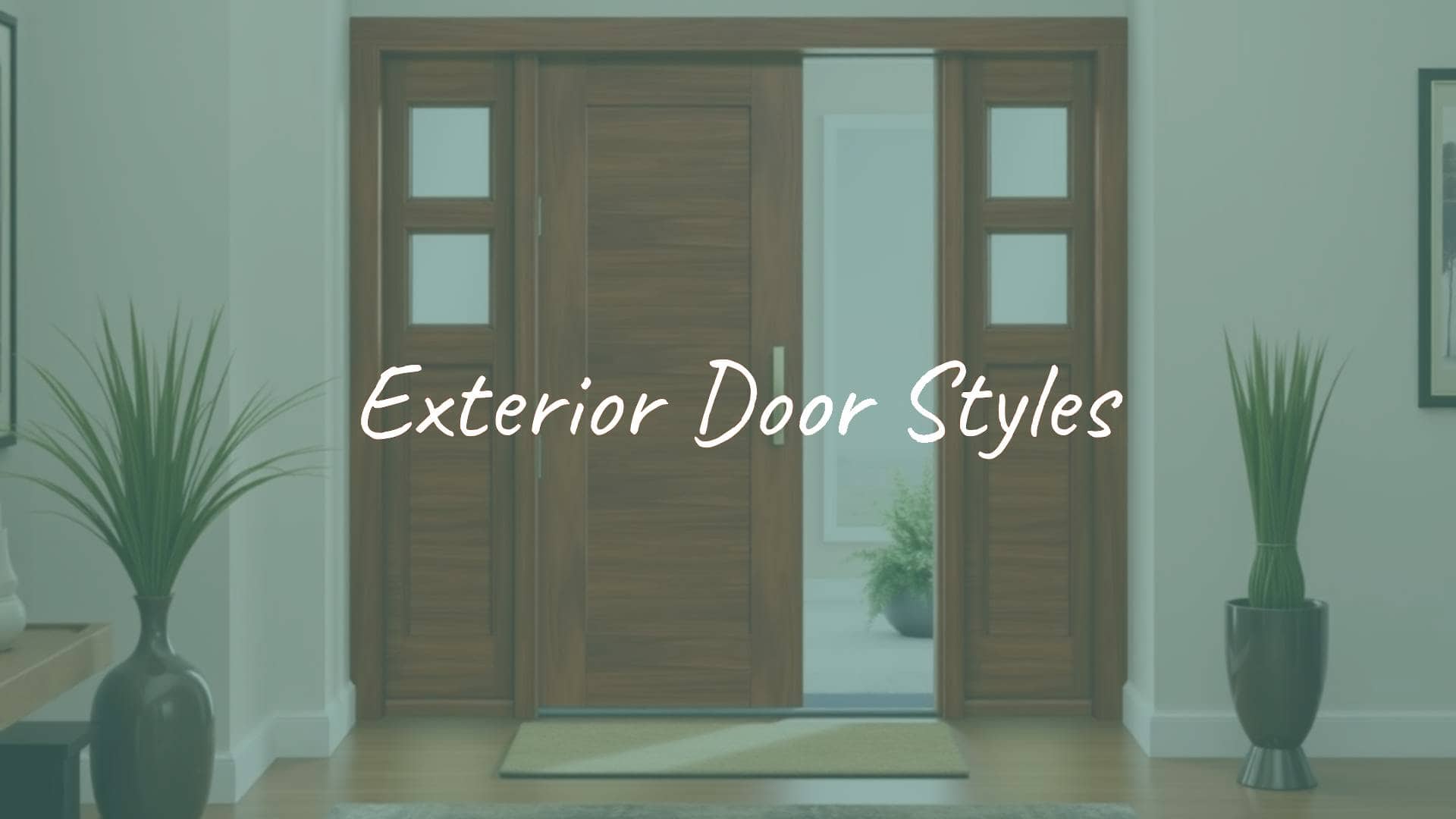
Exterior door styles do far more than provide a way to get in and out of your home. They play a big role in how your home looks, how safe it is, and how well it holds in heat and cool air. From the welcoming feel of a front entry door to the easy flow of a patio door, each type has a clear job and adds to your home’s overall look and comfort. Choosing the right exterior door means exploring different designs, materials, and features so that the door fits both your house and your daily life.

You can think of exterior doors as your home’s “face” to the outside world, showing style and purpose at a glance. They quietly greet guests, protect your home, and connect one space to another. Learning the details of different exterior door styles helps you make smart choices that improve both how your home looks and how it works for you.
What defines exterior door styles?
An exterior door style is more than its surface appearance. It comes from a mix of design, material, and function that together give the door its character. It’s about how the door looks and feels, and how well it does its job in your home.
Each exterior door style has its own story, shaped by history, local taste, and design trends. From the simple strength of a Craftsman door to the clean look of a modern design, each style is marked by certain features that make it a good fit for different types of houses.
How does architectural style influence exterior door selection?
Your home’s architectural style is the main guide for choosing an exterior door. Picture a large Victorian house with a plain, flat slab door-it would feel off, right? The same goes for a simple farmhouse with a very ornate, traditional door. The door should feel like a natural part of the home’s style, adding to it instead of fighting against it.
To figure out your home’s style, look at details such as:
- When it was built
- Its location
- Roof shape
- Number of stories
- Overall shape and layout
- Trim and decorative details
- Exterior materials (brick, siding, stone, etc.)
For example, many Ranch homes use wood doors with small glass panes. Homes with detailed, decorative doors and windows usually fall into the “traditional” category, while cleaner, simpler lines often point to a more modern style. Even if your home mixes different looks, knowing these basic traits will still help you choose an exterior door that keeps the front of your home looking consistent and pleasing.
Key elements that contribute to door style
Several main parts work together to create an exterior door’s style. These include:
- Panel style
- Hardware
- Glass
- Grilles
- Color or finish
- Door material
The panel style shapes how the door is built-whether it’s a solid slab, has inset panels, or uses a certain pattern of wood or other materials. Hardware such as handles and pulls, from simple bar pulls to detailed handles with curves, can totally change the door’s personality.

Glass can appear as full panels, small upper windows, sidelights, or transoms, affecting both the look and the amount of daylight that comes in. Grilles in the glass add a classic touch and break up large glass areas. Color or stain is often what people notice first and helps set the tone, whether bold, subtle, or natural. The base material-wood, steel, or fiberglass-also shapes the door’s style, along with how long it lasts and how well it insulates.
Types of exterior doors
Beyond design style, exterior doors are also grouped by how and where they are used. Each type serves a specific role in how your home functions and connects to the outdoors. Knowing these types helps when you are planning a remodel, replacement, or new build.
From the strong, welcoming look of a front entry door to the practical protection of a storm door, each door type is built with particular goals in mind. Below are the main types you’ll see in homes.
Front entry doors
The front entry door is usually the main highlight of your home’s exterior. It creates the first impression, welcomes guests, and plays a key part in both safety and energy performance. These doors are usually sturdy, often with a wood core for natural insulation, covered with materials like aluminum or fiberglass for durability and finish choices. Many come with multi-point locking systems that secure the door at several points instead of only one.
Front entry doors are available in many materials such as wood, steel, and fiberglass, with plenty of options for glass, hardware, and color. They help express your personal style and add curb appeal, whether you are building new, remodeling, or replacing an older door.
Double entry doors
For a larger, more dramatic entrance, double entry doors are a strong option. This setup uses two door panels that open inward or outward to create a wide, inviting opening. Double doors work with many home styles, from traditional to modern, and come in many sizes and designs.
They often include extra touches like sidelights, transoms, and decorative glass. These features make the entrance feel more formal and spacious, and they are especially handy for moving large items or welcoming groups of guests.
Patio doors
Patio doors are made to connect indoor rooms with outdoor spaces such as patios, decks, or gardens, while letting in lots of light and fresh air. They create an easy, visual link to your yard and affect how the back or side of your home looks.

Patio doors usually have large glass areas to open up views and brighten interior spaces. They come in different setups to fit your layout and lifestyle. This door type balances ease of use with visual appeal, making it a popular choice for creating a stronger link between home and nature.
French and hinged doors
French doors are a traditional form of hinged patio door known for their classic style and bright, airy feel. They often come as a pair of doors that swing open and usually have multiple small glass panes or one large glass panel.
Hinged doors in general swing either in or out on hinges, making them flexible for different openings. They work well for patios, decks, and side entries, offering a charming, traditional look. They do need clear floor space to swing open, but they provide a wide, open passage that helps blend inside and outside areas. French doors, in particular, are a favorite for creating a light, graceful entry.
Sliding and gliding doors
Sliding and gliding doors are great where there isn’t room for a door to swing open. These doors slide sideways along a track, with one moving panel crossing in front of a fixed panel. Large glass panels give wide views and lots of daylight.
Often linked with modern and contemporary designs, sliding glass doors have a slim, simple look that keeps sightlines open. They are practical and good-looking, although their tracks can collect dirt and may need regular cleaning for smooth operation.
Storm and screen doors
Storm and screen doors add extra protection and comfort in front of your main exterior door. Mounted on the outside of entry or back doors, they offer:
- Better energy performance
- Shielding from wind, rain, and snow
- Fresh air without bugs
These doors are usually made of aluminum or similar materials and often include panels that can be swapped between glass and screen. In warm months, screens let air flow while keeping insects out. In cold months, glass adds another layer against the weather. While they may slightly cover up the look of the main door, the added comfort, protection, and energy savings can be a big plus.
Garage and specialty exterior doors
Some exterior doors serve specific uses or support particular design goals. Garage doors, for example, are key for vehicle access and security and also affect the home’s street view and insulation. Common types include sectional doors that roll overhead in panels and roll-up doors that coil above the opening. Materials often include steel, aluminum, or wood.
Other special doors include:
- Dutch doors: Split horizontally so the top can open while the bottom stays closed-handy for airflow while keeping kids and pets inside.
- Arched doors: With a curved top for a softer, classic look, often used on older or European-style homes.
- Gothic doors: With pointed arches for a more dramatic, historic feel, common on Tudor-style homes and older buildings.
These special doors may need custom frames and can cost more, but they give one-of-a-kind looks and functions for homeowners who want something distinctive.
Popular exterior door styles by design
To boost curb appeal and show your personal taste, the design style of your exterior door is very important. Each group-from classic traditional to sleek modern-has its own features and background.
Looking at these popular styles helps you pick a door that fits both your home’s architecture and your lifestyle. Below are some of the main design categories and what sets them apart.
Traditional exterior door styles
Traditional exterior doors reflect long-lasting, classic design and often borrow ideas from older architecture. They usually feature several panels with detailed trim and craftsmanship that suggest a hand-built look.
Hardware on traditional doors is often eye-catching, with curves and decorative details in finishes like polished brass or aged bronze. Glass may show up as transoms above the door, as well as sidelights, repeating the look of historic homes where transoms helped with airflow. Grilles across the glass are common and help create a period feel. Colors often come from historic paint collections, with certain shades often linked to specific house styles or regions.
Craftsman front doors
Craftsman front doors go well with homes that highlight hand-made details, wide wood trim, and natural materials. This style focuses on simple beauty, strength, and visible craftsmanship.

A typical Craftsman door is a single wide panel with smaller inset panels carved into the wood. It is often framed by matching sidelights or nearby windows. Hardware is usually simple and practical, in finishes like black, aged bronze, or distressed nickel. Glass often sits in the upper third of the door and may include art glass with vertical bars or diamond patterns. Craftsman doors are most often stained instead of painted, in deep brown tones like mocha or espresso, to show off the wood grain.
Modern and minimalist door designs
Modern and minimalist doors focus on straight lines, basic shapes, and large glass areas for a clean, up-to-date look. They often use single, tall panels with flat, slab-style faces and little or no raised detail.
Hardware is usually simple and sleek, in black, stainless, or finishes that closely match the door color. Glass is a major feature, often covering most or all of the door, with additional sidelights or transoms to bring in more light. Grilles are rare, but some designs use evenly spaced horizontal glass sections for a subtle mid-century look.
Color choices vary from natural wood tones to bold, bright colors that stand out against simple walls. Black-framed glass doors are a strong choice in many modern homes, and pivot doors are especially popular for this style.
Farmhouse and rustic doors
Farmhouse and rustic doors call up feelings of warmth and comfort, whether your home is in the country or the city. While classic Midwestern farmhouses inspired many of these looks, modern farmhouse design may also borrow from Scandinavian or older European styles. Wood is a common material, giving a natural, authentic feel.
These doors are usually single front doors with glass in the upper half and wood panels below. Hardware can range from curved, traditional handles to more squared, simple pieces for a modern farmhouse twist. Grilles can give a more vintage farm look, but skipping them can create a cleaner, updated appearance. Many farmhouse doors are painted in rich, earthy colors, though light wood stains and black paint are also popular today.
Dutch doors
Dutch doors bring both charm and smart function, especially in old-world and modern farmhouse settings. They are split into a top half and a bottom half that can open and close separately.
Originally common on farms, this design kept animals out and children in while still allowing air and light into the home. Today, Dutch doors are popular again for spaces like kitchens and mudrooms, where you might want to open the top for fresh air or to speak with someone outside without fully opening the door. Custom Dutch doors can be built to match your style and needs and add a playful, memorable detail to your home.
Arched and custom-shaped doors
Arched and other custom-shaped doors add a strong visual highlight and give an entry unique character. An arched door has a curved top edge and is often seen on Spanish-style homes and European farmhouses. These doors may be full glass or mix solid panels with glass inserts.
Gothic-style doors are more dramatic, with a rectangular base and a pointed arch at the top. They are common on Tudor-style homes and older public buildings where a bold, historic look is desired. Springline™ Entry Doors offer a clear curved top over a straight-sided frame and can be made with simple or very detailed panel patterns.
Custom shapes allow the door to follow unusual wall or opening lines so the entry fits your home perfectly and stands out from standard designs.
Pivot and oversized doors
Pivot and oversized doors are often used in high-end, dramatic entries. A pivot door turns on a central vertical pivot point instead of side hinges, giving a smooth, wide swing and a very modern look. Many designs use full glass panels in pivot doors to create wide, open views.
Oversized doors-whether pivoting or hinged-are made to impress through their large size. In some homes, very large moving glass walls slide, fold, or pivot to form openings up to about 60 feet wide. These “big doors” can open entire walls, joining inside and outside spaces and framing broad views. Both pivot and oversized doors act as strong design features as well as functional entrances.

How to choose the right exterior door style for your home
Picking the right exterior door means balancing looks, function, and personal taste. You want a door that fits your home’s style, does what you need day-to-day, and matches how you like to live.
This choice includes practical issues such as privacy, light, and climate, along with details like color, finish, glass, and hardware. The points below can help guide your selection so you end up with a door you’ll enjoy for a long time.
Factors to consider: privacy, light, and climate
As you choose an exterior door, think carefully about:
- Privacy
- Amount of natural light
- Local weather and temperature
For more privacy, choose doors with no glass or with only small, high glass inserts. If you want lots of light, full glass doors, sidelights, and transoms can brighten your entry. Many glass styles come with a numbered privacy rating, from clear to very obscure, so you can find the right mix.
Climate also matters. Fiberglass doors can insulate very well and work nicely in cold regions. Steel doors are strong and stand up well to rough weather. Features such as foam weatherstripping and door sweeps help protect against drafts and water leaks and can lower heating and cooling costs.
Matching door style to home architecture
The most important step is picking a door that fits with your home’s architectural style. A door that clashes with the rest of the house can spoil an otherwise beautiful front. For example, a Craftsman-style door may feel out of place on a sleek, modern house unless other Craftsman details are present.
Some general matches include:
| Home style | Good door features |
|---|---|
| Tuscan, Queen Anne, Old World | Warm wood or wood-look fiberglass, arched tops, decorative glass, wrought iron hardware |
| Modern / Contemporary | Clean surfaces, simple lines, large glass, bold solid colors, minimal hardware |
| Transitional / Classic American | Square panels, traditional glass, balanced, neutral or classic color choices |
Study your home’s shapes, rooflines, and trim and look at doors that were common in the era or style your home reflects. This will help you choose a door that feels like it truly belongs.
Color, finish, and hardware choices
Color, finish, and hardware can completely change how an exterior door looks and how your entry feels from the street. Door color can:
- Set the mood (calm, bold, formal, fun)
- Make the entry seem larger or smaller
- Highlight or soften architectural features
You might choose a bright yellow or orange to stand out, or a deep red or purple for a rich, dramatic effect. Matching the door color with shutters, trim, or planters creates a pulled-together look. You can also choose a color that picks up tones from your brick or stone.
Natural wood and wood-look finishes go with many exterior colors and allow the shape of the door and any glass to stand out. Hardware picks, such as simple black bars for modern designs or curved brass handles for traditional doors, support the overall style. Specific hardware collections, such as FSB® for modern designs or Encino® and Newbury® for farmhouse doors, help complete the look you’re going for. You can also choose different finishes for the inside and outside of the same door to match both your exterior and interior décor.
Customizing with decorative glass
Decorative glass is a strong way to give your exterior door more personality and detail. These glass options often mix clear, textured, and sometimes colored pieces with metal outlines (called caming) to create patterns and designs.
Since each glass panel is crafted individually, you get a unique look that can suit both the outside of your house and the inside entry hall. Some ideas include:
- Art glass in Craftsman doors
- Full glass panels in modern doors
- Patterned sidelights and transoms
Different glass patterns let in different amounts of light and offer different privacy levels, giving you control over how open or hidden the entry feels. With the right glass choice, your door becomes more than a plain entry point-it becomes a visual focal point that adds character to your home.
Frequently asked questions about exterior door styles
What are the most popular exterior door styles right now?
Many homeowners today are choosing exterior doors that include large glass areas. People like doors that bring in plenty of natural light and connect the indoors with the outdoors.
In modern homes, full glass pivot doors are very popular because they look sleek and create a dramatic entry. Traditional hinged entry doors are also following this “more glass” trend with designs such as Straightline glass panels, which keep the classic swing but focus on glass. These options work well for both simple modern looks and brighter, more open entries.
How do patio doors differ from entry doors?
Both patio and entry doors lead outside, but they are built with different goals in mind.
- Entry doors (usually on the front of the house) focus on safety, street appeal, and a strong first impression. They are often very solid, sometimes with a wood core, and may include multi-point locks. Their design is chosen to match the architecture and say something about the home and its owners.
- Patio doors are meant to link indoor living areas with outdoor spaces like patios, decks, or gardens. They are mainly about light, views, and easy access. Most patio doors use big glass panels and come as sliding doors or hinged French doors. While they still offer security, they are shaped more around comfort and everyday use than formal looks.
What are the benefits of storm and screen doors?
Storm and screen doors bring several practical benefits to your exterior entries:
- Extra weather protection: They shield your main door from rain, snow, and wind, which can help it last longer.
- Better energy performance: The air space between the main door and the storm door helps reduce heat loss in winter and heat gain in summer, possibly lowering energy bills.
- Seasonal flexibility: Swap in screen panels to let air flow in warmer months while blocking bugs and debris, then switch to glass panels for added insulation in colder weather.
- Added security (for some models): Certain storm doors include stronger frames and locks for extra protection.
For areas prone to hurricanes or severe storms, IMPACT-rated storm doors add strong defense against wind and flying debris. While a storm or screen door can slightly cover the look of your main door, the added comfort, efficiency, and durability benefits make them a smart upgrade for many homes.








![What to with Scrap Metal? [infographic]?](https://facts-homes.com/wp-content/uploads/2019/07/645413-POPYOV-391-120x86.jpg)