

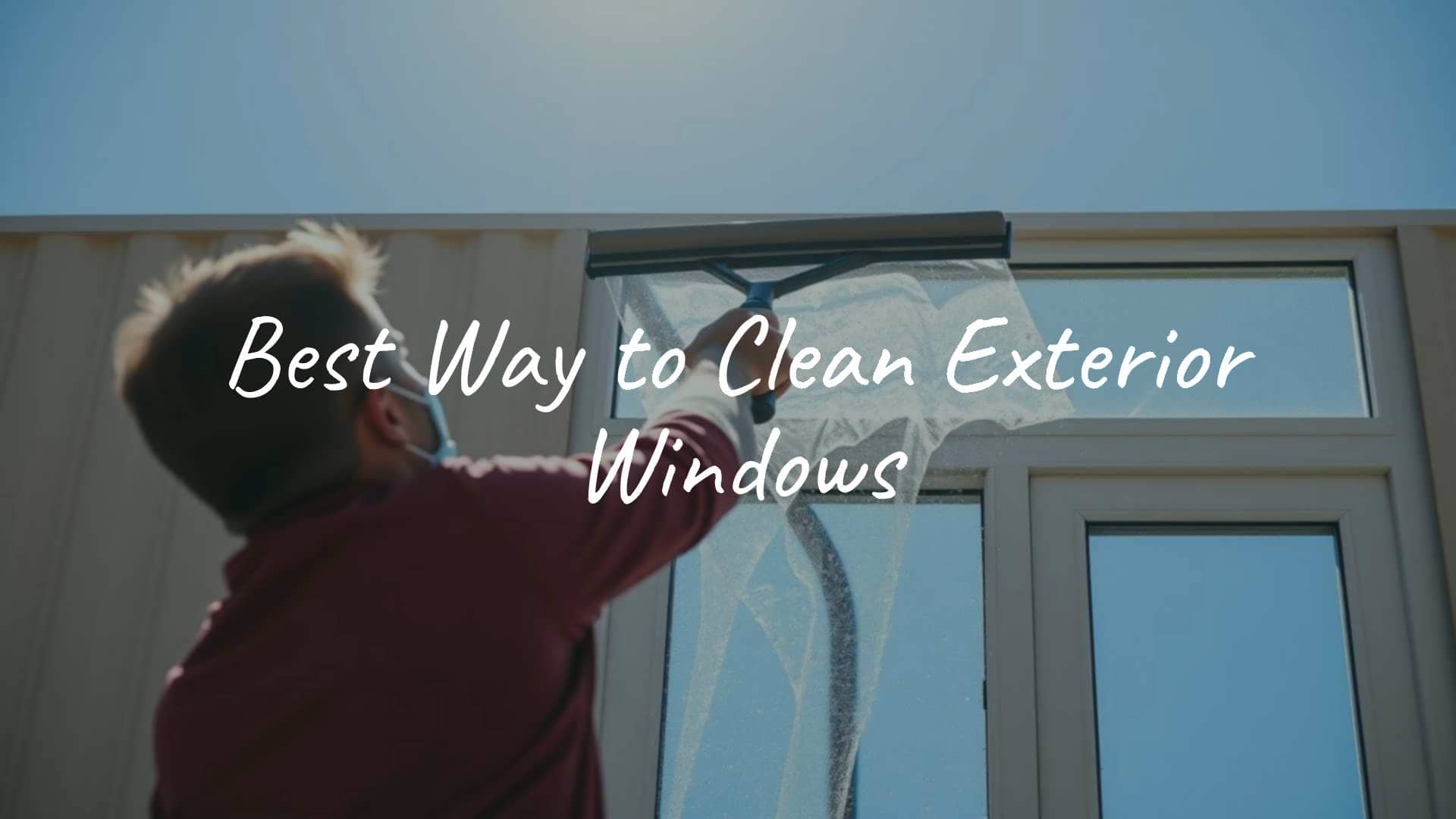
Clean, streak-free exterior windows can change the look of your home or business, let in more natural light, and give you a clear view outside. While the job can seem like a big chore, especially with hard-to-reach glass, the “best way to clean exterior windows” comes down to good technique, the right tools, and a bit of planning. This guide covers safety, timing, DIY cleaners, and pro tips so your windows can look as clear as possible.
What to Know Before Cleaning Exterior Windows
A little prep before you start can save time, reduce effort, and help you avoid streaks and other common problems.
Safety precautions for outdoor window cleaning
Safety always comes first with outdoor window cleaning, especially when working at height. If you use a ladder, make sure it is steady, set on a flat surface, and fully opened and locked. Do not lean too far to the side or stand on the top rungs. For higher windows, an extension pole is often safer than climbing, as you can stay on the ground. If any windows are beyond safe reach from the ground or a ladder, bring in professional window cleaners who have the correct tools, harnesses, and training to do the job safely.

When is the best time to clean exterior windows?
Timing plays a big role in how clean your windows will look. The key issue is how warm the glass is. If the glass is hot, your cleaning solution can dry too fast and leave streaks. Touch the window first-if it feels hot, wait until it cools down. Bright sun also causes glare, which makes smudges and missed spots harder to see. Better choices include:
- Cloudy days
- Early morning or late afternoon
- Times when the windows are in shade
Spring and fall are usually the best seasons, especially in colder areas, because the temperature is more comfortable and steady.
Common mistakes and how to avoid streaks
Streaks are one of the biggest annoyances in window cleaning. Common causes include:
- Harsh cleaners: Cleaners with a lot of ammonia or alcohol can leave a thin film that attracts dust and moisture.
- Too much soap: Extra soap leaves a residue that dries cloudy and streaky.
- Cleaning in direct sun: The solution dries too fast, leaving marks.
- Dirty tools: A dirty sponge, cloth, or squeegee just spreads grime around.
Use a mild solution, work in the shade or on a cloudy day, and rinse and clean your tools as you go.
What Tools and Supplies Work Best for Cleaning Outside Windows?
Having the right tools makes a big difference. Old rags and a basic spray bottle rarely give that clear, professional look. Good tools and simple but effective cleaners help you get better results with less effort.
Essential tools: squeegees, brushes, extension poles, and hoses
These tools are very helpful for clean, streak-free windows:
- Squeegee: A 10-12 inch squeegee with a good rubber blade helps remove water and prevents streaks.
- Soft brush or sponge: Use a soft-bristled brush or large sponge to apply cleaner and scrub away dirt.
- Extension pole: Lets you reach high windows while staying on the ground. Make sure the pole is strong and holds attachments firmly.
- Garden hose: With an adjustable nozzle for rinsing before and after scrubbing, and for blasting off loose dirt.

Recommended window cleaning solutions and DIY alternatives
Many people buy ready-made glass cleaners, but many pros like simple homemade mixes. They are cheap, effective, and often contain fewer strong chemicals. Popular DIY options include:
| Solution | Ingredients | Best For |
|---|---|---|
| Basic vinegar mix | 1 part white vinegar + 1 part warm water | General dirt, light film, hard water spots |
| Vinegar + dish soap | Vinegar mix + a few drops mild dish soap | Heavier grime, greasy film |
Vinegar cuts through mineral deposits and film, while dish soap lifts grease and dirt. You can add a few drops of lemon or another essential oil if you like the scent. Mix your solution in a bucket with hot water so the soap dissolves fully.
Materials to avoid for exterior windows
Certain products can damage glass or leave it looking worse:
- Skip cleaners rich in ammonia or alcohol; they can leave streaky residue.
- Avoid paper towels and regular cotton cloths, which shed lint and fibers.
- Do not use razor blades or sharp tools on dry glass-they can scratch it.
- Stay away from abrasive pads and powders that can scuff the surface.
If you have sticky spots like tree sap, soak the area with water and solution first, then gently scrape or rub with a soft tool.
What Is the Step-by-Step Method for Cleaning Exterior Windows?
With the right tools and cleaner ready, follow a clear process to get the best results with less rework.
Remove dust, dirt, and cobwebs from window surfaces
Start dry. Wipe away loose dust, cobwebs, and debris before adding water or soap. This helps prevent mud and grit that are harder to remove and can scratch glass. Use:
- A soft brush
- A dry microfiber cloth
- A vacuum with a brush or upholstery attachment
Clean the frames, tracks, and screens at this stage. An extension duster works well for high windows.
Rinse windows thoroughly with water
Once loose dirt is gone, close all windows, then use the hose to rinse the glass, frames, and screens with a gentle but steady spray. This wash-down removes sand, dust, and loose grime and reduces scratching when you scrub. Pay special attention to corners and edges.
Apply cleaning solution evenly
Dip your brush or sponge into your bucket of cleaning solution. Let it soak briefly, then wring it so it’s damp, not pouring water. Spread the solution over the whole window, working from the top down. If you’re using an extension pole, attach the brush or sponge firmly before you start.
Scrub glass using a sponge or soft-bristled brush
Scrub the glass starting at the top and moving downward. Use small circles or side-to-side motions to break up dirt and stains. Focus a bit more on any spots with stuck-on grime. Rinse your sponge or brush often in the bucket (or use a second bucket for rinse water) so you are not rubbing dirty water back on the glass.
Use a squeegee to remove excess water and prevent streaks
The squeegee is key for streak-free windows. To use it:
- Make one clean vertical strip down one side of the window.
- Start at the top and pull the squeegee down in straight, slightly overlapping strokes.
- Hold the squeegee at a slight angle so water runs off the blade.
- Wipe the rubber blade with a clean cloth after each pass.

Use firm, even pressure as you move down the glass.
Wipe and dry edges with microfiber cloths
Water often collects at the edges and at the bottom of the window. After using the squeegee, take a dry microfiber cloth and wipe along the edges and frame. This prevents drips, water spots, and staining. Microfiber is best because it absorbs well and does not shed lint.
Clean frames, tracks, and sills
Clean frames and tracks help your windows look better and work better. Use warm, soapy water and a soft cloth or brush on:
- Frames
- Tracks
- Sills and ledges
Avoid strong chemicals that can affect paint or finishes. For tough stains on frames, a small amount of mineral spirits or a gentle cleaner like Pine-Sol on a cloth can help, but try to keep it off the glass. Vacuum out tracks and wipe away any buildup.
Tips for drying windows without lint or residue
Good drying keeps your hard work from going to waste. If you don’t use a squeegee, dry the glass with clean microfiber cloths:
- Work from the top down.
- Use circular or zig-zag motions.
- Switch to a dry part of the cloth as it gets damp.
Try to remove all moisture before it air-dries and leaves marks. In some cases, a final rinse and air drying on a cool, cloudy day works well, especially if you have soft water.
How to Clean Exterior Windows You Can’t Easily Reach
High windows can be tricky and risky, but there are safer ways to deal with them without putting yourself in danger.
Using extension poles and specialized equipment
For windows just beyond arm’s reach, extension poles are very useful. You can attach:
- Scrub brushes
- Sponges
- Squeegees

Make sure the pole is locked in place before you start. Some hose-end sprayers with detergent tanks can help you apply cleaner and rinse from the ground. These tools reduce the need to climb ladders.
Safety practices for cleaning second-story or higher windows
For second-story or higher windows, extra care is needed. If you must use a ladder:
- Use a ladder stabilizer for better balance and reach.
- Do not stand on the very top rungs.
- Do not lean too far to either side.
- Avoid windy days that can shake the ladder.
If you feel nervous on a ladder or the windows are very high or awkwardly placed, it’s a strong sign that hiring a professional is the safer choice.
Should you hire professional window cleaners for hard-to-reach areas?
For windows that are very high or unsafe to reach, hiring professionals is often the best option. They have:
- Special extension and water-fed poles
- Lifts and other access equipment
- Training in safe work at height
- Experience with effective, streak-free methods
Companies like Window Genie offer window cleaning for homes and businesses of different sizes, including places that are hard to access.
How to Prevent Common Problems During Exterior Window Cleaning
Problems like streaks, water spots, and damage to frames can be avoided if you plan ahead and use the right methods.
How to avoid streaks and water spots
To cut down on streaks and spots:
- Work on cloudy days or when windows are shaded.
- Keep the squeegee blade clean and overlap each stroke slightly.
- Use a mild cleaner without strong chemicals or too much soap.
- Use a two-bucket method-one for soapy water, one for rinse water-to keep dirt out of your cleaning solution.
- Finish with a good rinse using clean water to remove remaining soap.

Minimizing environmental impact: cleaning solutions and runoff
Think about where your runoff goes and what is in it. Better choices include:
- White vinegar and water mixes
- A few drops of mild, eco-friendly dish soap
These break down naturally and are less likely to harm plants or local waterways. Try not to pour large amounts of strong cleaners on your lawn or into storm drains. If you use a pressure washer or strong hose setting, aim water so it runs onto soil or gravel where it can soak in and filter slowly.
Protecting window frames and seals
Frames and seals help keep your windows strong and weather-tight. To protect them:
- Avoid strong solvents on frames that can stain or weaken the material.
- If using mineral spirits, apply only to the glass and keep away from the edges.
- Do not use high-pressure washing directly on frames and seals; it can force water inside or damage sealant.
- Clean frames gently with warm soapy water and dry them afterward.
Regular frame and track cleaning is especially helpful near the ocean, where salt can damage both glass and frames over time.
Extra Tips to Make Exterior Window Cleaning Easier
With a few smart habits, cleaning outside windows can be quicker, safer, and less annoying.
Working efficiently in different weather conditions
Cloudy days are often best because you see streaks more easily and the solution does not dry too fast. If you have to work in sun:
- Clean windows when they are in the shade.
- Work one window at a time so the solution doesn’t dry before you rinse and squeegee.
Spring and fall are often the most comfortable seasons. Avoid freezing days, as water can turn to ice on glass, frames, and walkways.
How to keep exterior windows cleaner for longer
Regular maintenance keeps windows looking better between big cleanings. Tips include:
- Clean exterior windows every few months, or more often if you live near the ocean, busy roads, or lots of trees.
- Wash window screens so they don’t put dirt back on clean glass.
- Use a rain-repellent product on the glass to help water bead and roll off, which can reduce water spots.
- For small marks between full cleanings, use a quality glass spray and a microfiber cloth.
Frequently Asked Questions About Exterior Window Cleaning
Here are clear answers to common questions people have about cleaning exterior windows.
How often should exterior windows be cleaned?
Most homes and businesses do well with exterior window cleaning 2-3 times per year. You may need to clean more often if you live:
- Near the coast (due to salt and moisture)
- By busy roads or construction (dust and pollution)
- Near many trees (pollen, sap, and falling debris)
Regular cleaning helps your windows look better and can help extend their life by removing corrosive dirt and salt.
What do professionals use for spotless windows?
Professional window cleaners usually use:
- High-quality squeegees with new rubber blades
- Special scrubbers and pads
- Extension and water-fed poles for high glass
- Scrapers for stubborn spots (used gently and with water)
Their cleaning mix is often simple-water, white vinegar, and a small amount of mild dish soap. They also pay close attention to technique, using methods like the two-bucket system and wiping the squeegee blade after each pass.
Can you clean exterior windows with just water?
Water alone is fine for rinsing but usually isn’t enough for a full clean, especially if the windows have buildup from dirt, grease, hard water, or salt. These stick to the glass and need a cleaner to break them down. Even a simple mix of water and vinegar works much better than plain water when followed by a good rinse and squeegee.
Is dish soap or vinegar best for window cleaning?
Both work well, and they often work best together:
- Vinegar: Breaks down mineral deposits, film, and some hard water marks.
- Mild dish soap: Cuts through grease, dust, and general grime.
Mix them in warm water for a strong but gentle cleaner. Use only a little dish soap, as too much causes lots of suds and can lead to streaks.
What should you never use on exterior glass?
To keep exterior glass clear and free from damage, avoid:
- Abrasive powders and rough pads that can scratch the surface.
- Razor blades or sharp tools on dry glass.
- Cleaners high in ammonia or alcohol that leave film and attract dirt.
- Paper towels or regular towels that leave lint and fibers.
Stick with a mild cleaner, a good squeegee, and lint-free microfiber cloths for best results.











![What to with Scrap Metal? [infographic]?](https://facts-homes.com/wp-content/uploads/2019/07/645413-POPYOV-391-120x86.jpg)