

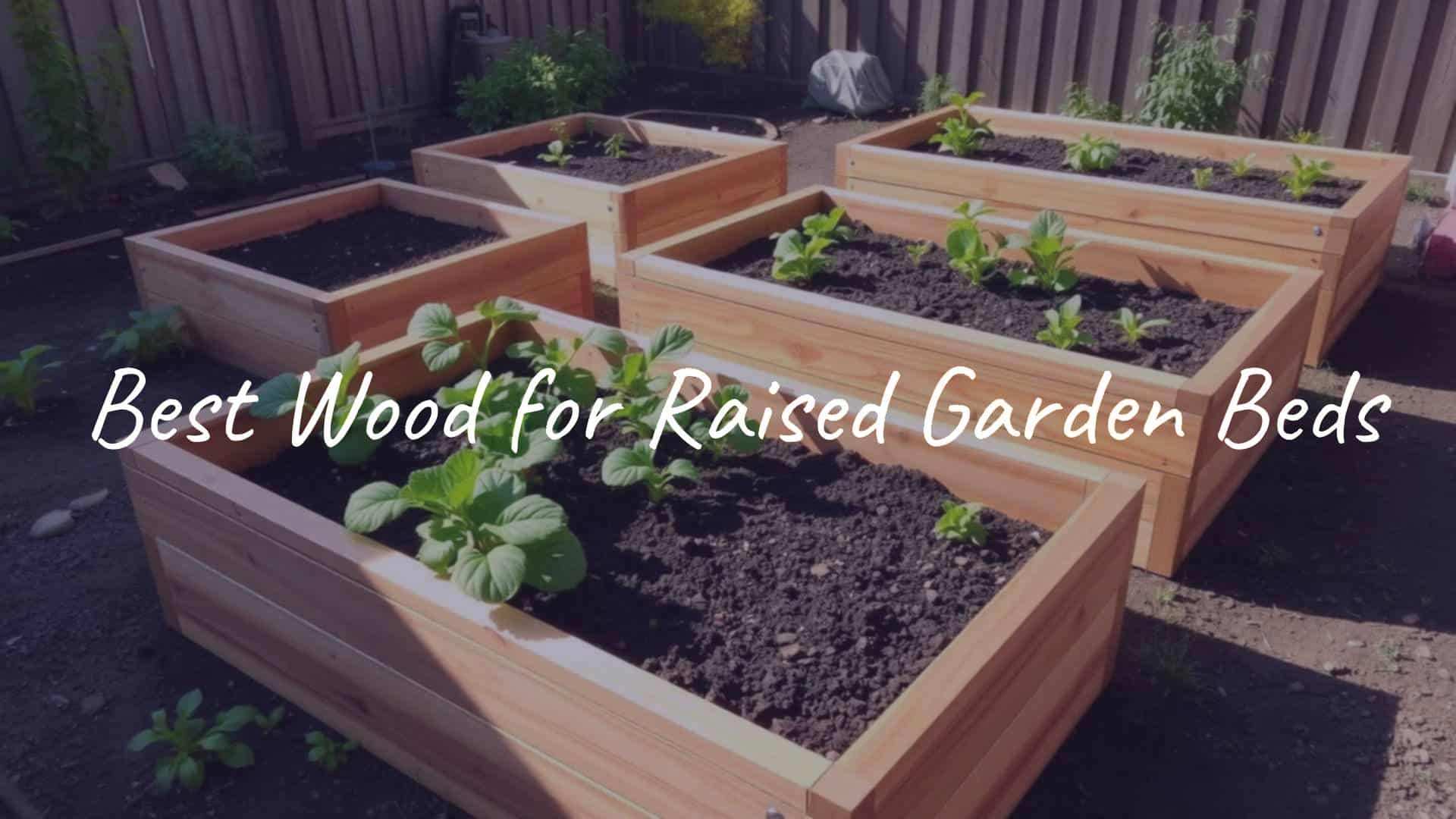
Choosing the right wood for raised garden beds matters a lot for how long the beds will last and how safe they are for growing food. The best options are usually woods that naturally resist rot, are not chemically treated, and fit your budget. Cedar, redwood, and cypress are often favorites because they handle constant moisture and soil contact very well. These woods help your beds last for years while keeping chemicals away from your vegetables and herbs.
The choice is about more than just strength. You also need to think about cost, what’s easy to find in your area, and how you feel about different materials. For food gardens, many people prefer untreated wood to reduce any risk of chemicals in the soil, even though modern pressure-treated lumber is considered safer than older versions. This article looks closely at the main wood types, their pros and cons, and other key points so you can pick the best option for your raised beds.
Why wood is a popular choice for raised garden beds
Wood has been used for raised beds for a long time because it looks natural and fits easily into almost any garden style. It adds a warm, simple look that plastic or metal often can’t match, and it helps your beds blend in with the surrounding plants and landscape.
Wood is also easy to work with. You can cut, drill, and screw it together using basic tools, which makes it great for DIY projects. You can build beds in many shapes and sizes to match your space. This flexibility, combined with simple construction, keeps wood at the top of the list for both beginners and experienced gardeners.
Key benefits of using wood
Wood offers many advantages for raised garden beds:
- Low cost: Common woods are often cheaper than stone, concrete, or metal, helping you save money for good soil and plants.
- Good insulation: Wood helps keep soil temperatures more stable, protecting roots from hot and cold extremes.
- Good drainage and air flow: Beds built with wood usually drain well, and the material allows some air exchange, which supports healthy roots and soil life.
- Natural material: At the end of its life, wood breaks down and can return nutrients to the soil, unlike many synthetic materials.
How does wood compare to other raised bed materials?
It helps to compare wood with other common materials like stone, concrete, and metal:
| Material | Main pros | Main cons |
|---|---|---|
| Stone / Concrete | Very long-lasting, heavy, stable, low maintenance | Expensive, harder to install, needs more skill and tools |
| Metal (e.g., galvanized steel) | Durable, pest- and rot-resistant, modern look, often easy to assemble | Possible worries about zinc leaching, can get hot in full sun |
| Wood | Affordable, natural look, easy to cut and build, flexible sizes | Can rot over time, lifespan depends on wood type and care |
Stone and concrete can last for decades but cost more and are harder to move or change. Metal beds are strong and light compared to stone, but some people are worried about zinc or coatings. Wood offers a good middle ground between price, ease of use, and appearance, which is why many home gardeners choose it.
Should you avoid certain types of wood in vegetable gardens?
Yes. For food gardens, safety is just as important as durability. The main concern is chemically treated wood.
- Old CCA-treated lumber: Before 2003, chromated copper arsenate (CCA) was commonly used. It contains arsenic, which can leach into the soil. Reclaimed boards from old decks, playgrounds, or fences may still have this treatment. If you don’t know how old the wood is or how it was treated, it’s best not to use it in vegetable beds.
- Railroad ties (creosote-treated): These are soaked in creosote, a very toxic preservative. It can move into the soil and then into plants. Ties are usually very dark, heavy, and smell like tar or oil. Do not use them in any food-growing area.
For food crops, choose untreated wood or make sure the treated wood uses modern, safer preservatives and is used with a liner between the soil and wood.
Factors to consider when choosing wood for raised garden beds
Picking wood for raised beds means thinking about more than appearance. Beds sit in wet soil and get hit by rain, sun, and freezing and thawing cycles. Over time, this can break down weaker woods and lead to bowing, splitting, or collapse.
Durability, treatment type, climate, thickness, and cost all affect how long your beds will last and how safe they are for growing food. Knowing these points helps you choose wood that fits your budget and gardening plans.
How does wood durability affect raised bed lifespan?
Durability is one of the most important factors for raised beds. The sides are in constant contact with moist soil, which speeds up rot and encourages insects.
- High-durability woods like cedar and redwood can often last 10-20 years or more.
- Lower-durability woods like untreated pine might last only a few years before they start to break down.
Spending more at the start on a wood that naturally resists rot and insects can save you from rebuilding your beds every few seasons. Stronger wood means less sagging, fewer repairs, and more time enjoying your garden.
Is untreated or treated wood better for edible gardens?
For food gardens, many gardeners and experts still prefer untreated wood. The worry with treated lumber is that preservatives could move into the soil and be taken up by plants.
- Untreated, rot-resistant wood (like cedar, redwood, cypress, or juniper) avoids this issue and keeps your beds fully natural.
- Modern pressure-treated wood no longer uses arsenic-based CCA for home use. Newer products use copper-based formulas that are safer, but some people still prefer to avoid them near food.
If you choose treated lumber, choose boards clearly labeled for “ground contact” and approved for residential use. Lining the inside with heavy plastic creates a barrier between soil and wood. But if you want complete peace of mind, untreated, naturally durable wood is the simplest choice.
Does climate or region change your wood choice?
Yes. Weather and local conditions strongly affect how long wood lasts:
- Wet, humid areas: Wood breaks down faster. Choose very rot-resistant species and consider liners and sealers.
- Dry climates: Wood may last longer, but sun exposure and big temperature swings can cause cracking or warping.
Availability and price also differ by region:
- Midwest / parts of Europe: Cedar is common and a favorite for raised beds.
- Western U.S.: Redwood is often easier to find and can be more affordable locally.
- Southern and Eastern U.S.: Cypress is often the best mix of price and durability.
Whenever possible, use locally sourced, responsibly harvested lumber. It usually costs less and cuts down on transport impact.
What thickness should raised bed lumber be?
Board thickness has a big effect on how strong and long-lasting your raised beds will be. Thin boards bend and rot faster under the pressure of wet soil.
- A good minimum for side boards is 2 inches thick.
- A common size is 2×6×8 (2 inches thick, 6 inches tall, 8 feet long).
Thicker boards resist bowing and hold screws and bolts better. You can use thinner boards for trim or decorative edges, but keep the main structural boards at least 2 inches thick if you want beds that last.
What role does cost play in selecting garden bed wood?
Most gardeners work within a budget, so price matters. But the cheapest boards often cost more over time because they need replacing sooner.
- Lower-cost woods like pine are easy on the wallet at first but may rot in just a few years.
- Higher-cost woods like cedar and redwood can last 10-20 years, so the yearly cost is quite low.
Think of cost over the full life of the bed, not just the purchase price. Spending more up front can save you the work and expense of rebuilding again and again.
Should you use recycled or new lumber for garden beds?
Using recycled wood can feel like a green choice, but safety is a major concern, especially for food gardens. The biggest problem is that you often don’t know how older boards were treated.
- Wood from before 2003 may have been treated with CCA, which contains arsenic.
- Old structural timbers, fence posts, or landscape timbers may have various chemical treatments.
If you want to use recycled wood, be extremely careful. Avoid boards that look very old, have a green tint, or smell oily or chemical. For food gardens, new, untreated lumber from a trusted source is usually the safest choice. To stay eco-friendly, look for FSC-certified wood, which comes from responsibly managed forests.
Types of wood commonly used for raised garden beds
There are many wood species you can use for raised beds, from long-lasting premium woods to budget-friendly options. Each has different levels of rot resistance, price, and appearance. Knowing these differences helps you choose the best fit for your yard, climate, and wallet.
Below are the most common choices, with their strengths and weaknesses for garden use.
Cedar
Cedar is often considered the standard choice for raised beds because:
- It naturally resists rot, decay, and insects due to its natural oils and tannins.
- It typically lasts 10-15 years or more in garden conditions.
- It has a rich reddish-brown color that weathers to a soft gray, still looking attractive over time.
The main downside is cost. Cedar prices have gone up in recent years, so it’s more of an investment. But if you value long life, low maintenance, and a nice look without chemical treatment, cedar is hard to beat. Cedar from colder regions (such as Montana) often has tighter grain, which can give it even better durability.
Redwood
Redwood is another premium choice with excellent natural resistance to rot and insects. Key points:
- Can last 20 years or more in many garden conditions.
- Deep red color that ages into a silver-gray patina.
- Handles rain, sun, and temperature changes very well.
Redwood tends to be more common in the Western U.S. and can be pricey or hard to find elsewhere. For gardeners willing to invest in very long-lasting, beautiful beds, redwood is one of the best options available.
Cypress
Cypress is a strong choice, especially where it is common (Southern and Eastern U.S.). It offers:
- Good natural resistance to rot and insects.
- A lifespan that often sits between pine and cedar/redwood.
- Usually lower cost than cedar or redwood in regions where it grows locally.
Cypress has a light yellowish-brown color that fits many garden styles. It will lighten and gray in the sun, but this weathering does not greatly affect strength. For many gardeners, cypress offers a good mix of durability and price.
Douglas fir
Douglas fir is widely used in construction and is often easy to find at lumber yards. It offers:
- Good strength and stability.
- Lower cost than cedar or redwood.
- A reasonable lifespan if you protect it from constant moisture.
It does not resist rot as well as cedar or redwood, so it benefits from extra steps like lining the interior, raising the bed slightly for drainage, or using a safe exterior sealant. For gardeners who want stronger wood than pine but at a lower price than cedar, Douglas fir is a solid middle option.
Pine
Pine is one of the cheapest and easiest woods to find. It has some clear pros and cons:
- Pros: Very affordable, easy to cut and screw, light color that can be stained or left natural.
- Cons: Poor natural rot resistance, often needs replacing after just a few seasons in contact with wet soil.
If you choose pine, plan for shorter bed life and more frequent rebuilding. You can extend its life by lining the inside with heavy plastic, making sure drainage is good, and keeping the sides from constant standing water. Pine works well if you are on a tight budget or renting and need a quick, temporary bed.
Hemlock
Hemlock is another affordable softwood used in some regions, especially cooler areas like parts of Canada. It offers:
- Decent strength for its price.
- Better lifespan than basic pine if protected.
- Availability in certain northern markets.
Hemlock is less rot-resistant than cedar or redwood but can hold up well for several years with liners or sealers. Where it is easy to find, it can be a good budget-friendly alternative.
Juniper
Juniper is extremely resistant to decay and insects. It is one of the longest-lasting woods you can use for raised beds:
- Some sources report juniper beds lasting 50 years or more.
- Very strong natural resistance to rot and pests.
- Attractive grain and a pleasant scent.
The main drawbacks are availability and cost. In many areas, juniper is hard to source and often more expensive. But if you can find it and are willing to pay more up front, you may not need to rebuild your beds for decades.
Should you use pressure-treated lumber in raised garden beds?
Many gardeners are unsure about using pressure-treated lumber for raised beds, especially near vegetables and herbs. Older treated wood contained chemicals that raised real safety concerns. Treatment methods have changed, but questions remain about leaching and food safety.
To decide, it helps to know which chemicals are used now, how much can move into the soil, and what studies say about plant uptake.
What chemicals are in treated lumber today?
Modern pressure-treated lumber for home use mainly uses copper-based preservatives instead of arsenic-based ones. Common treatments include:
- Copper azole (CA-C)
- Micronized copper azole (MCA)
- Alkaline copper quaternary (ACQ)
These have largely replaced chromated copper arsenate (CCA), which the EPA banned for most residential uses in 2003. Copper in these treatments protects wood from fungi, rot, and insects.
Every piece of pressure-treated lumber should have a tag stating its treatment type and intended use. For raised beds, choose boards clearly marked for “ground contact,” which are meant to handle contact with soil and moisture.
Are there risks of leaching into soil or plants?
Chemicals in treated lumber can move into the soil when the wood is wet. With modern treatments, the main element that may leach is copper.
- Copper is a plant micronutrient, but in high amounts it can be harmful to soil life.
- Studies show most leached copper stays very close to the wood, usually within a narrow zone right next to the boards.
- Clay soils and soils high in organic matter tend to bind copper, keeping it from moving far.
This means any increase in copper levels is usually limited to a small strip of soil near the sides of the bed, with much less reaching the main root zone for most plants.
What do studies say about food safety?
Research from places like Oregon State University has looked at raised beds built with modern pressure-treated wood, especially copper azole-treated lumber. A 2021 study checked how much copper moved into the soil and whether plants took it up.
- Soils right next to the treated boards (within about one inch) showed a slight increase in copper, but the levels stayed within natural background ranges for local soils.
- Vegetables and herbs grown in these beds did not show higher copper levels in their edible parts.
Based on this work, growing edibles in beds made from modern copper azole-treated wood labeled for ground contact does not appear to lead to harmful copper levels in food. If you still feel unsure, you can:
- Use naturally rot-resistant untreated wood, or
- Line the inside of treated-wood beds with heavy plastic to separate soil from wood.
Maintaining and protecting wood raised garden beds for long life
Even very durable woods last longer if you protect them. Wood in the garden faces moisture, sun, freezing, and insects. Simple steps like sealing, lining, and checking for damage can add many years to the life of your beds.
Here are ways to safely treat wood, prevent rot and pests, and know when boards need repair or replacement.
How can you treat or seal wood safely for edible gardens?
For beds growing food, choose treatments that are safe and non-toxic.
- Exterior surfaces: Use a high-quality, garden-safe stain or sealant on the outside only. Look for products labeled eco-friendly and non-toxic. These reduce water absorption and sun damage, slowing down cracking and rot.
- Interior surfaces: For wood in contact with soil, consider mineral-based treatments made for garden use or food-safe wood preservatives based on natural ingredients. These soak into the fibers and help protect against water and sun without harsh chemicals.
- Plastic liners: Many gardeners line the inside with heavy plastic sheeting (like 6-mil polyethylene). This separates the wood from the damp soil, greatly slowing decay and giving cheaper woods a longer life.
If you line the bed, staple the plastic to the inside walls and leave the bottom open to the ground so roots and beneficial organisms can move freely.
How to prevent rot, pests, and weather damage
You can greatly extend the life of wooden beds with a few simple practices:
- Improve drainage: Place beds directly on soil, not on solid concrete. Add a layer of coarse material or hardware cloth at the bottom to keep out burrowing pests while letting water drain.
- Use liners: Heavy plastic on the inside walls keeps constant moisture off the boards.
- Choose resistant woods: Cedar, redwood, juniper, and cypress naturally repel many insects and fungi.
- Seal the exterior: Apply an outdoor-safe stain or sealant on the outside of the boards to protect against sun and rain.
- Use thick boards and solid construction: Boards around 2 inches thick, sturdy corner posts, and strong fasteners help prevent warping and splitting.
What are the signs it’s time to replace boards?
All wooden beds eventually wear out. Watch for these signs that boards need replacing:
- Soft or crumbling spots: Press the wood where it touches the soil. If it feels spongy or breaks apart easily, rot is advanced.
- Dark or fungal patches: Deep discoloration, mushrooms, or other fungal growth suggest serious decay.
- Bowing or loose corners: If sides bulge outward, joints pull apart, or screws no longer hold, the structure is weakening.
- Insect damage: Small holes, sawdust, or tunnels inside the wood show serious pest activity.
Minor issues can sometimes be fixed, but if large areas are soft or the bed is losing its shape, replacing the damaged boards or rebuilding is usually the safest choice for both plants and gardeners.
Frequently asked questions about the best wood for raised garden beds
People planning raised beds often have similar questions about cost, liners, and using reclaimed materials. Here are clear answers to help you move forward with your project.
What’s the most affordable long-lasting wood option?
If you want good life span without paying for cedar or redwood, consider:
- Cypress: Often the best balance of price and durability in areas where it grows, especially in the Southern and Eastern U.S.
- Douglas fir or hemlock: Usually cheaper than cedar and still fairly strong. They don’t resist rot quite as well but can last many years with liners and exterior sealers.
For many gardeners, cypress is the first choice for a long-lasting bed at a moderate price, followed by Douglas fir or hemlock with added protection.
Should I line my raised bed to protect wood?
Lining is often a very good idea, especially for less durable woods like pine, Douglas fir, or hemlock.
- Use heavy plastic sheeting (around 6-mil) stapled to the inside walls.
- Leave the bottom open to the ground and poke small holes near the bottom edge of the liner so water can drain.
Even with cedar or redwood, a liner can add more years of use. It also reduces any worry about chemicals if you use treated wood, since the soil does not touch the boards directly.
Can I use reclaimed wood or pallets safely?
Reclaimed wood and pallets can save money and reduce waste, but they can also bring chemicals into your garden.
- Old structural lumber: Avoid anything that might be CCA-treated (especially wood from before 2003) for food gardens.
- Pallets:
- Look for stamps marked “HT” (heat treated) – these were treated with heat only.
- Avoid pallets marked “MB” (methyl bromide) – this is a toxic fumigant.
- Skip pallets with no markings, oil stains, or unknown history.
For beds that will grow vegetables and herbs, the safest choice is new, untreated lumber or clearly labeled, safe treated wood with a liner. If you can’t verify where reclaimed wood came from or how it was treated, don’t use it for edible gardens.











![What to with Scrap Metal? [infographic]?](https://facts-homes.com/wp-content/uploads/2019/07/645413-POPYOV-391-120x86.jpg)